
Natasha Abrahart: Student took own life after being denied help as parents continue to fight for change

A university student took her own life in April 2018 after her request to be excused from a public presentation due to crippling social anxiety was denied.
Natasha Abrahart, a 20-year-old physics student, had reached out to University of Bristol staff weeks before her scheduled presentation, saying: "I’ve been having suicidal thoughts and to a certain degree attempted it.” Yet, despite her plea, she was still required to deliver the presentation in front of her classmates.
And now, Natasha’s parents, Bob and Margaret Abrahart, are calling for a statutory duty of care for students in higher education. They told The Mirror: “After Natasha died, we were appalled to learn she was the tenth of eleven students to die at Bristol University within an 18-month period. It felt like a lot of these students suffered death by indifference, and we don’t think that’s acceptable.”
In May 2022, the Abraharts won a lawsuit against the university, claiming it had breached the Equality Act 2010 by not accommodating Natasha’s social anxiety. They were awarded £50,000, with a judge finding the university had discriminated against her disability. An appeal by the university was rejected in December 2023, but the judge stopped short of ruling whether the university owed Natasha a statutory duty of care under the law of negligence.
As part of their ForThe100 campaign - named for the approximate number of students who die by suicide in UK universities each year - the Abraharts continue to advocate for legal accountability within higher education. “Universities owe a duty of care to their students,” said Bob, himself a retired lecturer from the University of Nottingham.


Natasha’s severe anxiety, largely situation-dependent, wasn’t apparent at home. Margaret, a retired psychological well-being practitioner, explained that while they knew Natasha was shy, her social anxiety only became severe in university, particularly with tasks requiring public speaking. “She told us she’d been to discos and joined a baking society,” recalled Margaret, adding, “We thought she was happy at uni… We’ll never know why she didn’t tell us the full extent.”
According to an inquest into Natasha’s death, her anxiety was especially triggered by individual lab assessments and the looming group presentation. Days before, Natasha reached out to university staff, saying, “I want help to go to the student health clinic… and I would like someone to go with me as I will find it very hard to talk to people about these issues.” The university referred her to a GP, who suspected severe social anxiety and referred her to a crisis team. By the time of her death, Natasha was still waiting for an assessment.
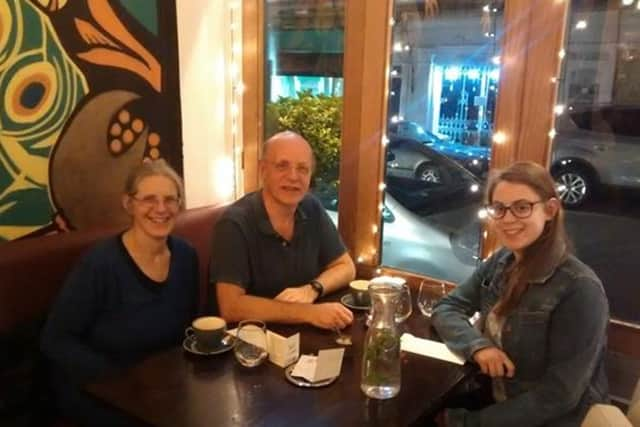
Bob recounted the day he opened the door to a police officer who informed him of Natasha’s death. “It was the worst moment of our lives,” said Margaret, who added, “Then to discover that her death could have been prevented was unthinkable.” Bob, reflecting on his own experience in academia, said: “I’ve had students who’ve struggled with speaking in public, and I’ve always found a way around it for them. Why couldn’t someone have done that for Natasha?”
The Abraharts, undeterred by setbacks, continue to push for legislative changes. Last year, ForThe100 garnered 120,000 signatures on a petition calling for a House of Commons debate, yet the government ruled out immediate changes to legislation. Bob said: “We’ve got a chance to try and change things in the future for other students.”
In response, a University of Bristol spokesperson said: “We care deeply about all our students and staff, which is why the mental health and wellbeing of our community is at the heart of decision-making across the University… We continue to develop and improve our services to support those who need help.”