
Stratus Covid symptoms: What new strain of Covid feels like - plus Nimbus variant

A new strain of Covid has established itself in the UK, and the government has issued an update about the current state of play with the virus.
As temperatures drop after summer, we can expect to see more colds and viruses, including Covid, start to circulate. And compared to five years ago, when a loss of taste and sneezing were two of the main telltale signs of an infection, the new strains have a different symptom.
What are the new strains of Covid?
Stratus is one of the new strains, and it has two variants - XFG and XFG.3. Compared to previous Covid iterations, it has an unusual symptom of giving people a hoarse voice.
Another strain, Nimbus, was identified in July and currently has the variant NB.1.8.1. It is another Omicron subvariant, and gives sufferers what has been dubbed as “razor-blade throat” - hoarseness but with pain and discomfort as well.
What has the UK government said about new Covid variants?
The UK Health Security Agency has recently published a blogpost on the new Covid variants.
It said: “The most common current variants are the XFG and NB.1.8.1 (sometimes referred to in the media as the Stratus and Nimbus variants). Our genomic surveillance of SARS-CoV-2 lineages last month found that 35% were classified as XFG.3, 28% were classified as XFG, 11% were classified as NB.1.8.1, 7% were classified as XFG.5 and 7% were classified as XFG.3.4.1.
“Current data does not indicate that these variants lead to more severe illness than other variants in circulation.
“It’s normal for viruses to mutate and change, and as more data becomes available on these variants we’ll have a better understanding of how they interact with our immune systems and how to optimise our protection, as well as actions we can take to keep the most vulnerable safe and live our lives as normally as possible. The most important thing is for those eligible to get their vaccination when it is due.”

What is the guidance for people with Covid symptoms?
As with any infectious disease, anyone who thinks they may have Covid should, if they can, stay at home, rest and recuperate, and keep away from vulnerable people.
For those who have to work or cannot stay at home, the government has reiterated its guidelines for reducing the chance of passing on the virus. It recommends:
- Wearing a well-fitting face covering made with multiple layers or a surgical face mask
- Avoiding crowded places such as public transport, large social gatherings, or anywhere that is enclosed or poorly ventilated
- Taking any exercise outdoors in places where you will not have close contact with other people
- Covering your mouth and nose when you cough or sneeze; washing your hands frequently with soap and water for 20 seconds or using hand sanitiser after coughing, sneezing and blowing your nose and before you eat or handle food; avoiding touching your face
How many cases of Covid are there?
It’s difficult to say because there is no testing and reporting procedure any more. The UKHSA collates figures every Thursday, but these are drawn largely from hospital admissions and so are not representative of the country as a whole (as they involve ill and often vulnerable people in hospital the death rate is abnormally high and should be taken account of). They are useful for seeing a pattern but not to be extrapolated across the UK
The most recent figures show there were 1,995 cases in the seven days up to September 17, which is a jump of 250 from the week before. There were 78 deaths with Covid on the death certificate in that week, one fewer than the previous week.
Do Covid vaccines still work against new strains?
The World Health Organization has previously said that current vaccines will still offer protection against Stratus.
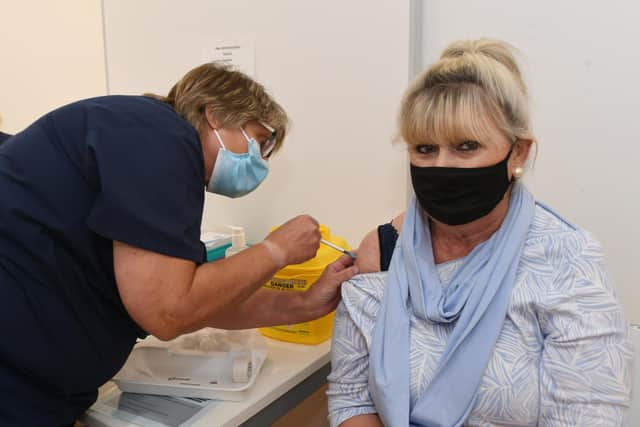
The autumn Covid booster programme is about to start for the elderly, care home residents and the immunosuppressed. To find out more click here and to book a vaccination click here.