
Contributions of 68 million women unrecognised in historical records

That’s according to researchers at family history website Findmypast, who analysed over 150 years’ worth of census records to uncover the astonishing lack of detail attributed to the lives of millions of women throughout history.
The legacies of 68 million women could go unrecognised in history, with census records labelling them as ‘unoccupied’.
Representing 60% of the working-age female population, many women were overlooked in census records due to a ‘broad brush’ approach. These official records often reported women’s identities based on their marital status or household duties. As a result, many broader activities and achievements were left unrecognised.
One surprising example uncovered by researchers is political activist and writer Millicent Fawcett: despite her literary renown and leadership in the National Union of Women’s Suffrage Societies (NUWSS), the 1891 Census listed her simply as a “widow,” and by 1921, as “Not occupied.”
Similarly, Florence Nightingale, renowned for revolutionising nursing practices and improving hospital sanitation during the Crimean War, is listed as ‘blank’ in the 1851 census. English social reformer, environmentalist and pacifist Ada Salter is also ‘blank’, along with co-founder of the Salvation Army and key figure in social reform, Catherine Booth.
Yet this is far from a historical issue. Over half (57%) of Brits² believe women’s legacies are undervalued in history, with the same proportion feeling history places greater importance on men’s achievements. Further, almost a third (29%) of women today feel their current contributions to society are undervalued, rising to two in five (40%) of those aged under 35.
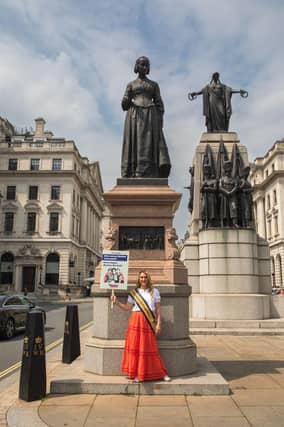
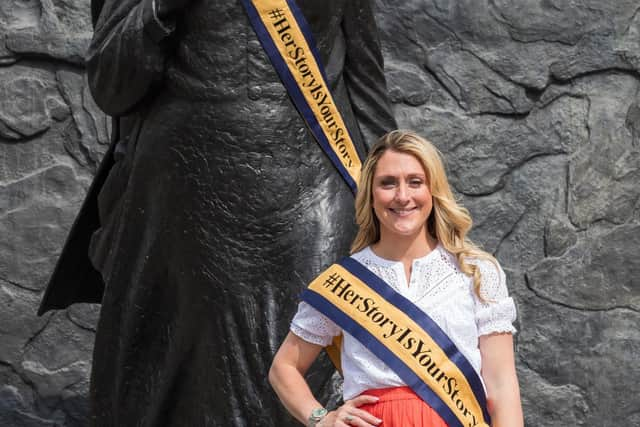
To highlight the need for more women’s contributions to be researched and recognised, Dame Laura Kenny has visited statues of women whose achievements are not reflected in their census records - including Florence Nightingale, Ada Salter and Catherine Booth - placing yellow sashes over them which bear the words ‘#HerStoryisYourStory’.
In doing so, they are urging the nation to help highlight women’s contributions through time by looking into the women in their own families and uncovering life stories that will otherwise remain lost to history.
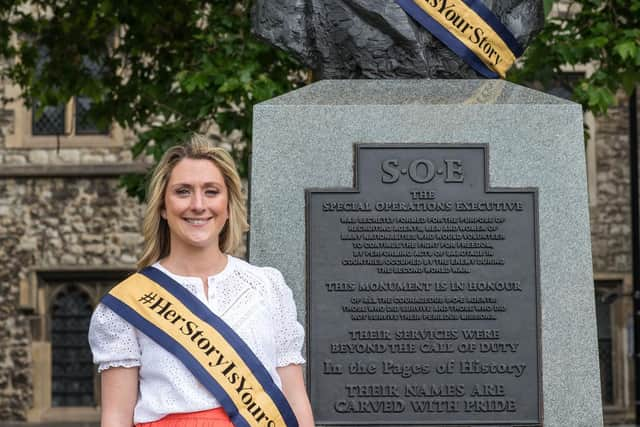
To shine a light on these hidden contributions, Findmypast has partnered with Dame Laura Kenny, a modern-day trailblazer and one of Britain’s most renowned Olympians. Now retired and a mother of three, Laura highlights that women like her, with both a successful career and a family, could have been labelled as ‘unoccupied’ in historic census records. Laura is encouraging the nation to deep dive into their female family history, as more than half (56%) wish they knew more about their female ancestors.
Speaking further about the campaign, Dame Laura Kenny, Great Britain’s most successful female Olympian, comments: "It’s really sad that the contributions of 68 million women are ‘unrecorded’ in historical census records. That’s not just a number; that’s 68 million voices, experiences, and contributions that could have been forgotten if the census were our only record of the past.
As someone who’s always been proud of my achievements - from winning Olympic medals to becoming a mum to my three children - I know how important it is to honour every chapter of a woman’s story.
This new research from Findmypast has revealed that half of the nation believes that women's legacies are undervalued in history. That’s why I’m so passionate about this new campaign, encouraging people to uncover the real lives of these mothers, daughters and grandmothers, whose contributions deserve to be remembered and celebrated, whatever path they took.
The sashes placed on statues around London show that her story is an intrinsic part of our own. It’s our shared legacy. And now, more than ever, it’s crucial that we bring those stories to light and give them the recognition they deserve.”
Despite this lack of awareness, three in four (77%) agree that it's important to understand the contributions of women from the past, and another 75% feel it’s important to share the achievements of women to inspire future generations.
Findmypast is offering guidance to start researching female ancestors online for free. Beyond census data, rich historical records in their digital archive like newspapers, institution records, military files, and Suffragette archives help reveal the fuller story of women’s lives.
Commenting on the research, Jen Baldwin, Research Specialist at Findmypast, adds:
“The contributions of these 68m women have helped shape families, communities, professional spheres and wider society over the centuries. That is why it’s so important to uncover and understand their lives, ensuring that future generations can appreciate their true legacies.
While census records are a fantastic place to start, they often only give you a snapshot of their lives. Luckily, there’s a treasure trove of historical records and guidance online on Findmypast to help. I’d encourage everyone to get involved and do their bit by discovering the hidden contributions of women in your own family tree.”
To delve deeper into your female ancestors’ lives with a free trial, visit https://www.findmypast.co.uk/herstory