
Expert advice to stop one of the biggest forms of heat loss in your home
As temperatures are dropping throughout the UK many are looking for ways to heat up their homes fast but did you know that in an average home, about 25% to 30% of heat loss occurs through windows and doors.
Michael Wray, insulation expert and owner of National Insulation Supplies, has explained how to keep the heat inside your home with this simple hack for under £1!
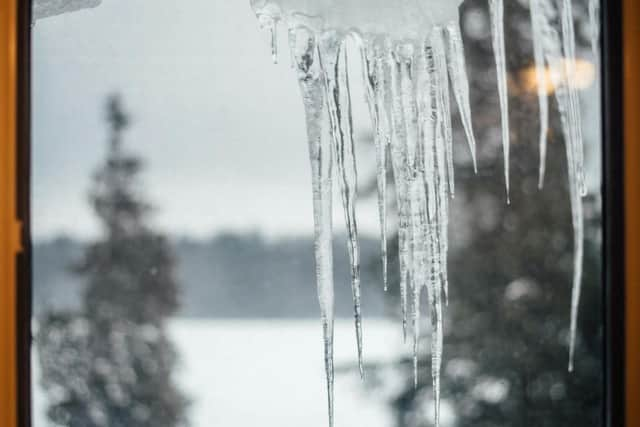

Heat loss through windows
“Windows and doors are responsible for 25%–30% of residential heating and cooling energy use. This percentage can be even higher if the windows and doors are old or poorly insulated.”
Heat loss through other parts of the house
“The Energy Saving Trust estimates that 25% of heat can be lost through the roof, 35% through outside walls, and 15% through ground floors.”
Bubble Wrap Insulation - £1
“One of the most cost effective ways to prevent heat loss through windows is by using everyday bubble wrap. This simple yet effective technique can significantly reduce energy consumption and lower heating bills.
To implement this hack, start by measuring your windows and cutting the bubble wrap to fit. Next, lightly mist the window with water and press the bubble side of the wrap directly onto the glass. To ensure a tight seal, use tape to secure the edges of the bubble wrap to the window frame.
The air pockets within the bubble wrap act as an insulating barrier, trapping heat inside your home. This can lead to a noticeable reduction in heat loss, especially during colder months. While this method may not be the most visually appealing, it's a practical and affordable solution to improve your home's energy efficiency.”
Heat up your home fast
“To maximise the benefits of your window insulation, start by programing your thermostat for efficient heating, close doors to contain heat, harness natural sunlight, use space heaters strategically, utilise your oven's residual heat. By combining these strategies with your window insulation, you can create a warm and cosy home while minimising energy consumption and saving on heating costs.”