
The Gadget Agenda: Why does modern tech seem to die so young?

A broken bedroom telly has left me questioning why modern gadgets seem to have such short lives, especially when our battered old washing machine refuses to give up.
The TV in my bedroom has broken. It's had what my wife joyfully refers to as a "brainfart" and the operating system has basically collapsed.

I worked out that it's less than five years old, and it's galling to be staring down the barrel of replacing it, even though Black Friday is making them surprisingly affordable.
But it's got me thinking... Tech just doesn't seem to last very long any more. We've got a washing machine in the kitchen that's well over 20 years old. It's pretty unsightly now, and we have to slam the door to close it, but it never misses a beat. My neighbour has a two-year-old washing machine that's having plenty of issues. So many, in fact, he's going to bite the bullet and replace it.
The same can be said for boilers. We've just had the one in our house replaced and the engineer guessed the old one was 10 years old. "You'll struggle to get parts for it now", he informed me.
The one in our first house was at least 20 years old when we moved out, probably closer to 30. We could still get parts for that quite easily, and if we couldn't there'd be something the engineer could cobble to fit.
Televisions shouldn't die after five years, though. I remember the first TV I bought for myself as an adolescent. It cost a fortune, and it seemed huge at the time. Physically speaking, it was. It was only a 32" screen, which is tiny nowadays, but it weighed the same as a small church.
When I threw it away it seemed silly, because after probably 20 years of heavy use it still functioned fine. But nobody wants a CRT TV any more.
Of course, now everyone buys a flat-panel screen, but if the damn things are only going to last five years, I'm not sure I'm that happy about paying hundreds of pounds for a replacement. The posh 65" TV in our lounge apparently only has two or three years left, despite it still having some of the latest tech in it.
The conspiracy theorist in me can't help bringing to mind a tech phenomenon called "built-in obsolescence", which is a genuine thing.
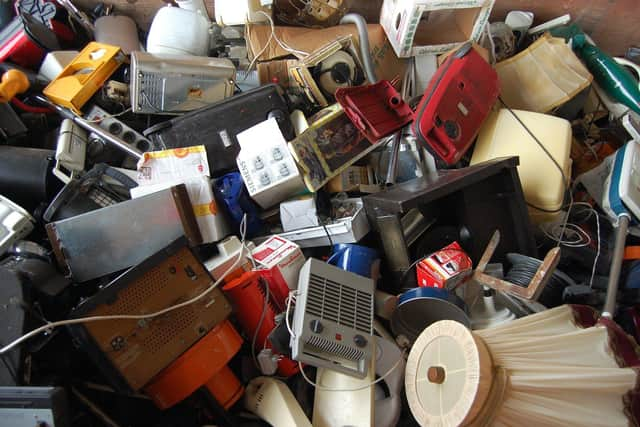
Manufacturers naughtily ensure their products will expire, or become practically useless after a certain amount of time to ensure you're going to have to buy a new one.
It leads to a massive headache when it comes to e-waste and, thankfully, it's being tackled, with new regulations that will, as of next year, even force manufacturers to ensure their batteries are replaceable.
But where does this leave me and my TV? It won't turn on, so it's not as if it can live another life as a posh PC monitor, and if I can't fix the software bug it's apparently developed it's going to have to go to the tip.
And I'll have to buy a new 40" TV to replace it, because the wife can't cope without a daily burst of morning news as she wakes from her slumber.
Let's see if, in five years' time, I'm writing this column again, complaining about having to dig into my pockets for another bedroom telly.
Either way, I bet the next one dies before our old washing machine does.