
Potatoes grown in moon soil are safe to eat in major breakthrough for future lunar colonies
Forget space-age food pills – astronauts could one day be tucking into home-grown potatoes on the moon after scientists discovered the humble spud can thrive in lunar soil and remain safe to eat.
Forget freeze-dried space food – astronauts could one day be growing their own potatoes on the moon after scientists made a major breakthrough.
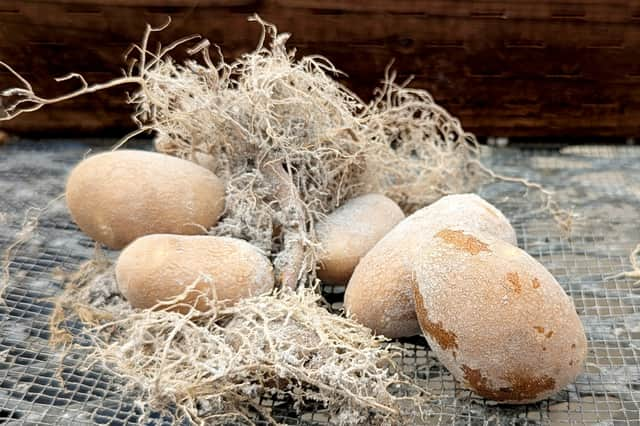

Researchers have discovered that spuds grown in simulated lunar soil can complete their entire life cycle and are safe to eat. Even better, the potatoes can achieve growth and yields comparable to those cultivated in ordinary Earth soil – provided the moon-like ground is supplemented with organic matter.
The findings could bring scientists a step closer to establishing a self-sufficient human colony on the lunar surface. Study leader Professor Aymeric Goyer, from Oregon State University's College of Agricultural Sciences, said: "We found that potatoes can complete their entire life cycle in simulated lunar soil when supplemented with organic matter."
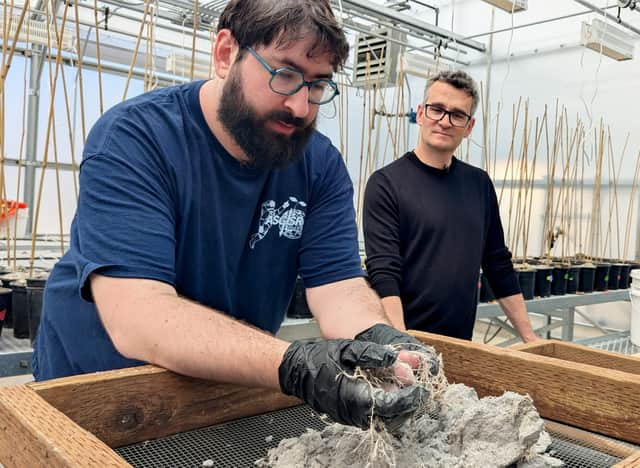
The research, published in the journal npj Microgravity, supports NASA's ambitions to establish a lasting human presence on the moon through its Artemis programme. Transporting food from Earth would be hugely expensive, making the ability to grow crops in space a crucial part of future missions. But lunar soil, known as regolith, presents some serious challenges, including a lack of organic matter and potentially harmful levels of heavy metals.
To tackle the problem, researchers tested five different lunar soil simulants, representing the moon's mare and highland regions. They added varying amounts of vermicompost – a nutrient-rich material produced when earthworms break down organic waste. The results were striking. Potatoes grown in soil containing 30 per cent vermicompost matched the development of plants grown in Earth soil.
Those without the organic addition were severely stunted, while plants given smaller amounts showed only partial recovery. Scientists believe the compost helps bind heavy metals, reducing the amount absorbed by plants and limiting damage to their roots. Crucially, tests also found no statistically significant increase in glycoalkaloids, naturally occurring toxins found in potatoes, meaning the lunar-grown crops maintained their nutritional quality.
Researchers suggest astronauts could take a small supply of organic matter to the moon before producing more from food scraps and plant waste. Potatoes were chosen because they provide plenty of calories and nutrients while producing high yields from relatively little land.
And the experiments are not over yet, with further research examining 10 potato varieties to discover which could be best suited to life on the moon. One day, the humble jacket potato could be an out-of-this-world meal.