
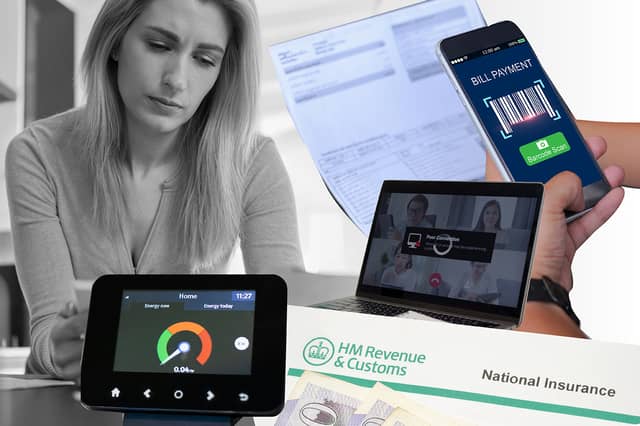


The cost of living crisis will deepen for millions of people across the UK from April, as a raft of price hikes come into force.
Energy bills will double in cost for many households from 1 April as the energy price cap increase is introduced, rising by £693 a year to £1,971 - a 54% increase.
Citizens advice warned that around five million million would be unable to afford their energy bills from April, even taking into account the support the government has already announced.
It warned that this number would almost triple to one in four people in the UK (more than 14 million) if the price cap rises in October again based on current predictions.
Mobile and broadband bills are also going up for thousands of customers this month, while national insurance and council tax rates are set to rise.
Fuel prices have reached record highs in recent weeks amid a hike in oil prices following Russia’s invasion of Ukraine. The Chancellor cut fuel duty by 5p in his spring statement last week, but retailers have since been accused of failing to fully pass on the savings to customers.
Pub meals and hotel stays are also likely to become more expensive from this month as VAT levels across the hospitality sector lift back to 20%.
An increase to the national living wage could help to ease the pressure facing households, and the state pension and some benefits will be uprated by 3.1% in April. However, inflation could hit a 40-year high of 8.7% in the fourth quarter of 2022, according to the Office for Budget Responsibility (OBR).
So how will household bills be affected from this month? Listed are nine major cost of living increases coming into force from April.
Read more:

5. VAT increases
The cost of buying a pub meal, soft drink or hotel stay could become more expensive from April as VAT levels across the hospitality sector lift back to 20%. The industry saw VAT dropped to 5% to support its recovery during the pandemic. It rebounded back to 12.5% in October 2021 as restrictions eased, but from Friday has returned to 20%. Industry chiefs, including Wetherspoon founder Tim Martin and Young’s boss Patrick Dardis, said prices would now have to increase significantly for customers as a result of reduced VAT support. | Matthew Horwood
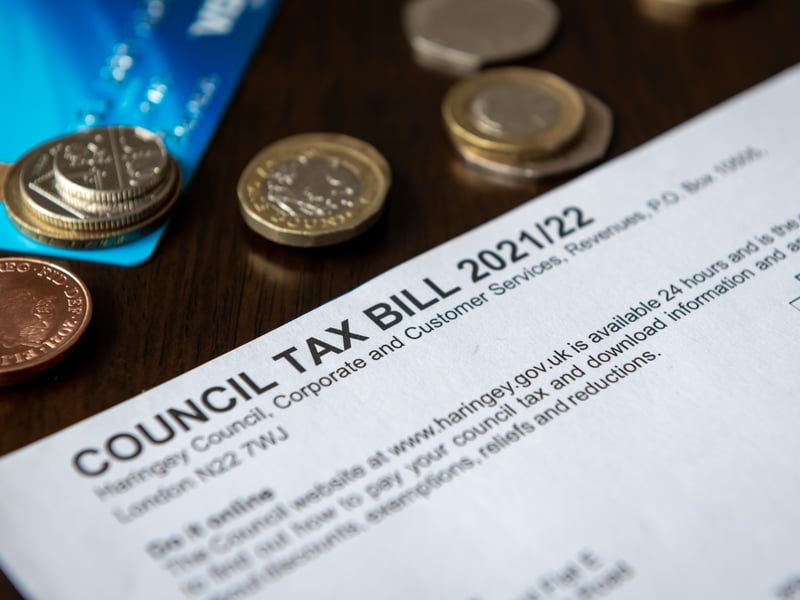
6. Council Tax rises
Councils in England will increase tax by an average of 3.5% from April, the new rates to remain in place until March 2023. The average annual band D tax rate will go up by £67, bringing bills to £1,966 from 1 April. Council tax rates vary across the country, so how much you pay will depend on the rate set by your local authority. In Northern Ireland, there is no system of council tax bands as domestic rates are based on rental prices instead. If you live in England and Wales you can check your council tax band by entering your postcode on the government website, while those living in Scotland can use the Scottish Assessors website. | Ming - stock.adobe.com
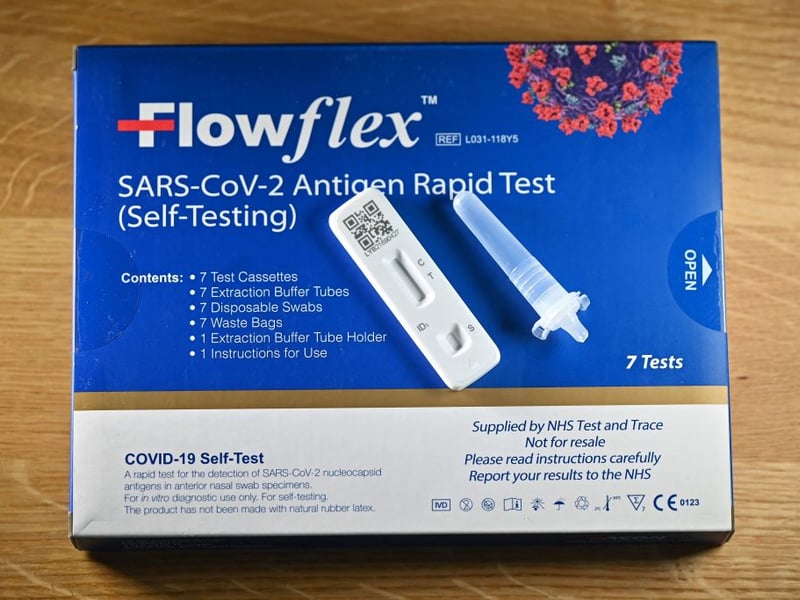
7. Covid tests
Covid tests will no longer be free for everyone in England from 1 April, even if you have symptoms. Anyone who needs a test will have to pay between £2 and £5 per individual lateral flow test, or around £20 for a pack of seven. Free testing will continue until the end of April in Scotland, while those in Wales will still have access to tests until the end of June. In Northern Ireland, a review of future Covid testing arrangements is still ongoing. | AFP via Getty Images

8. Mortgages
Homeowners may see their mortgage go up after the Bank of England increased its base rate from 0.5% to 0.75%. If you are on a tracker mortgage and interest rates are hiked, your rates will go up as these move in line with the base rate. Those on standard variable rate mortgages may also see rates increase, as it is down to lenders to decide whether to pass on the increase to customers. Those on a fixed rate mortgage will not see rates change until their deal has ended. | chinnarach - stock.adobe.com