
Visiting Auschwitz respectfully - what travellers need to know

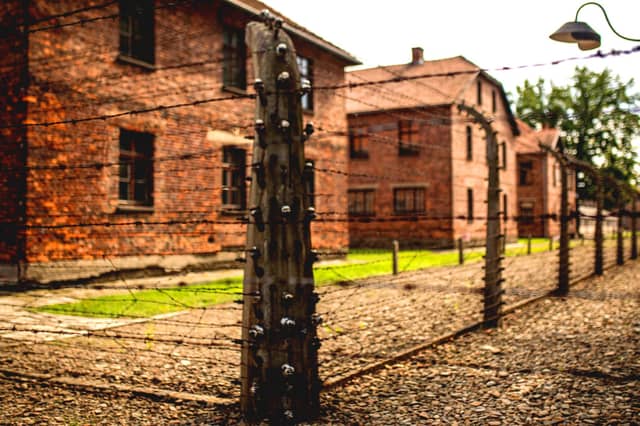

Visiting Auschwitz-Birkenau stands as one of the most profound experiences you can have.
This UNESCO World Heritage Site preserves the memory of over 1.1 million victims who perished here during the Holocaust. As you plan your visit, you'll need practical information to navigate the booking process, understand what to expect, and ensure you approach this memorial with the respect it deserves.
Understanding Auschwitz
Auschwitz wasn't a single location but a complex of three main camps. Auschwitz I served as the administrative center and concentration camp, established in 1940. Auschwitz II-Birkenau, built in 1941, became the primary extermination site with its gas chambers and crematoria. Auschwitz III-Monowitz functioned as a labour camp for nearby industrial facilities.
Between 1940 and 1945, Nazi Germany transformed this Polish town of Oświęcim into the largest killing center in human history. Today, the Auschwitz-Birkenau State Museum preserves the site as a memorial, having over 2 million visitors annually who come to bear witness to history.
Prepare yourself emotionally before arriving. You're not visiting a typical tourist attraction - you're walking through a cemetery where hundreds of thousands died. The experience will likely affect you deeply, and that's entirely normal.
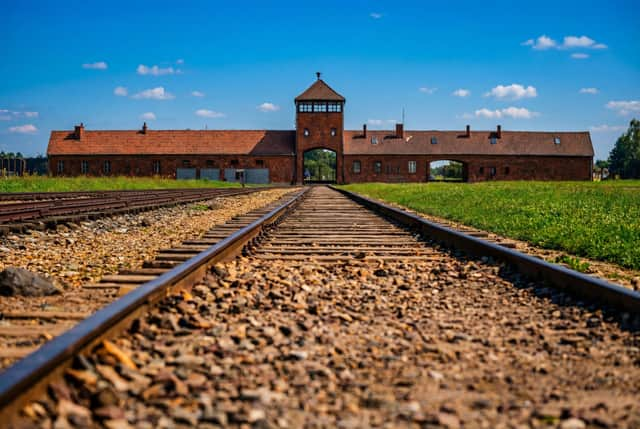
The site spans a vast area. Auschwitz I covers approximately 20 hectares, while Birkenau extends over 140 hectares. You'll need 3.5 to 4 hours minimum to visit both camps properly. The preserved barracks, guard towers, railway tracks, and personal belongings of victims create a visceral connection to history that no textbook can replicate.
Respectful tourism
Remember: you're standing on ground where over a million people were murdered. Dress modestly - avoid clothing with offensive slogans or overly casual beachwear. Maintain silence in areas designated as memorial spaces.
Many visitors struggle with photography ethics here. While photos are permitted in most areas, ask yourself whether capturing an image serves educational purposes or merely satisfies curiosity.
Understanding that Auschwitz sits on Polish soil matters. The Nazis built these camps on occupied Polish territory, murdering Polish citizens alongside Jews, Roma, and other targeted groups. The Polish perspective emphasizes their own suffering under Nazi occupation while honoring all victims.
Practical Planning
Summer (June-August) brings warm weather but also the largest crowds. You'll encounter tour groups from around the world, which can make the experience feel rushed. Spring and autumn (April-May, September-October) offer comfortable temperatures and more manageable visitor numbers - these are your best options. The museum opens year-round, typically from 7:30 AM to varying closing times depending on the season.
Book through the official Auschwitz Memorial website at least one month in advance, especially for summer visits. The museum requires advance reservations for all visitors. Entry itself remains free, but guided tours carry fees (approximately 75 PLN or £16 as of 2025).
Guided tour or independent visit
You face an important choice: guided tour or independent visit? Guided tours provide essential context that you'd miss exploring alone. Professional educators explain the historical significance of each location, answer questions, and help you process what you're seeing.
Independent visits with audio guides work if you prefer moving at your own pace, but you'll still need to book a time slot. Between 8:00 AM and 10:00 AM, you can enter without a guide, though audio guides are recommended.
For comprehensive experiences, consider specialized operators like KrakowDirect, who organize educational tours combining transport, professional guides, and proper time allocation for both camp sites.
Enhance your understanding
Preparation amplifies your visit's impact. Read personal testimonies like Primo Levi's "If This Is a Man" or Elie Wiesel's "Night" beforehand. Watch documentaries such as "Night Will Fall" or "Auschwitz: The Nazis and the Final Solution" to understand the historical context.
During your visit, take notes if it helps you process information. Many visitors find that writing down reactions and observations helps them remember specific moments and integrate what they're learning.
The museum recommends visits for children 14 years and older due to the disturbing nature of exhibits. That said, younger teenagers often visit successfully when properly prepared. Discuss what they'll see beforehand. Explain the historical context without overwhelming them with graphic details. Consider your child's emotional maturity more than their age.
Krakow offers numerous sites complementing your Auschwitz visit. The Jewish Quarter (Kazimierz) preserves centuries of Jewish heritage with restored synagogues and museums. Schindler's Factory Museum tells the story of Krakow's occupation and Oskar Schindler's rescue of over 1,000 Jews. Consider visiting the Galicia Jewish Museum or taking a walking tour of Kazimierz's historic streets. These experiences provide context about Jewish life before the Holocaust, creating a fuller understanding of what was destroyed.
After your visit
Many visitors experience intense emotions during and after their visit - sadness, anger, disbelief, numbness, or overwhelming grief. These reactions are normal. Give yourself time to process. Some people need quiet reflection; others benefit from discussing their experience with fellow travelers.
Support organizations dedicated to Holocaust education and remembrance. The Auschwitz-Birkenau State Museum relies partly on donations for preservation work. Holocaust education organizations need funding to combat denial and ensure future generations learn these histories.
When discussing your visit with others, focus on education rather than shock value. Share what you learned about individual victims, resistance efforts, or historical context. Combat common misconceptions, such as the false notion that only Jews were killed at Auschwitz or that local populations universally supported the Nazis.
The importance of planning
Planning your Auschwitz visit requires attention to practical details and emotional preparation. Book well in advance through official channels, choosing a guided tour for the deepest understanding. Arrange transportation from Krakow, whether through organized tours or independent travel. Prepare yourself mentally for a difficult but crucial educational experience.