
AI doorbell cameras being tested to warn of approaching polar bears in Canadian Arctic town
The experimental Bear-vision system aims to give homes and businesses an early warning as hungry polar bears gather near the Canadian town of Churchill.
High-tech doorbell cameras are being tested to warn residents of approaching polar bears as climate change forces the animals to spend longer on land and increases the risk of dangerous encounters.


The experimental system, dubbed Bear-vision, is being developed by conservation group Polar Bears International as part of efforts to protect both people and wildlife in Canada's Arctic communities.
The technology builds on Bear-dar, a system combining radar and cameras to detect movement and identify animals in the surrounding landscape. Experts hope the new device will provide an affordable, easy-to-use early warning system capable of alerting homes and businesses when bears approach.
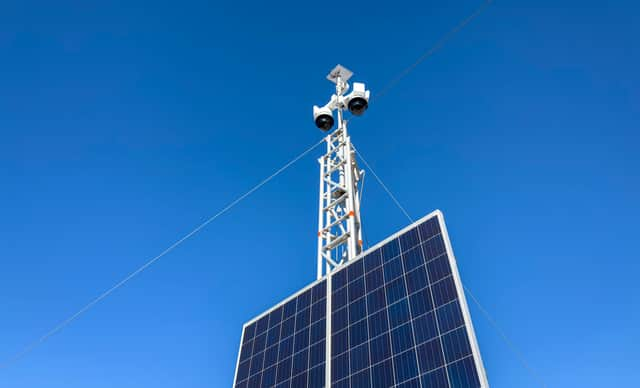
The first Bear-vision installation is being tested at a waste facility in Churchill, Manitoba, a northern town on the shores of Hudson Bay that attracts thousands of tourists hoping to spot the iconic predators. Each autumn, polar bears gather around the community while waiting for the bay to freeze, allowing them to return to the sea ice and hunt seals.
But climate-driven ice loss means the animals are now spending around a month longer on land than their grandparents did, according to Polar Bears International. The extended wait increases the importance of finding ways for residents and bears to coexist safely.
The trial comes after a fire destroyed Churchill's waste facility in 2024, leaving bears to rummage through rubbish for food and raising concerns about them swallowing dangerous waste or being drawn back by food smells. New electric fencing has since been installed, while Bear-dar technology is also being used to help monitor the site.
Krista Wright, executive director of Polar Bears International, said the organisation was grateful for its longstanding partnership with the Churchill community. She added that peaceful coexistence between people and polar bears was becoming part of everyday life in more places.
The group is also exploring other ways to deter bears without harming them, including drones in collaboration with Brigham Young University and Churchill's Polar Bear Alert Programme. Researchers are investigating whether drones, ultrasonic sounds, conductive materials and a new odour-based bear spray formula could safely encourage the animals to move away from populated areas.
The work comes as Polar Bear Week 2026 gets under way, highlighting the challenges facing the species as its Arctic habitat continues to change. Conservationists hope the emerging technologies will help communities stay safer while allowing polar bears to survive in an increasingly unpredictable environment.