
Save Strawberry Hill: Conservation charity launch appeal to buy unprotected rewilding site home to rare birds

Bird lovers - an unprotected haven for some of the UK’s most threatened birds needs your help.
Nearly forty years ago, a Bedfordshire landowner stopped farming his 150 hectare property and let it go back to nature. Now, Strawberry Hill, near Bedford, is a thriving scrubland ecosystem, harbouring threatened cuckoos, nightingales and turtle doves - some of the British wildlife at most immediate risk of disappearing forever.
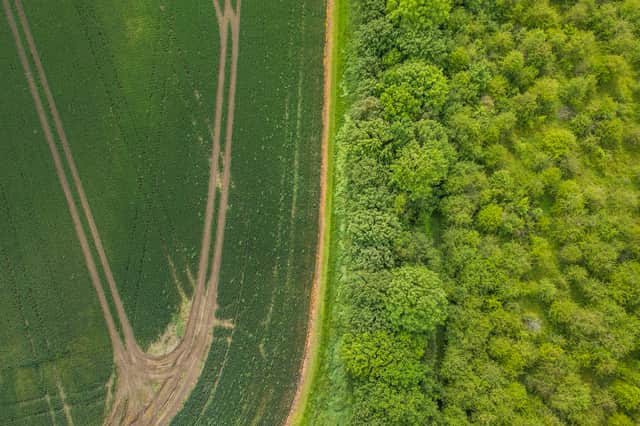

But his legacy and the unique site are in trouble too, unless conservationists can raise the cash to save it. Strawberry Hill has no official designations or protections, and following the owner’s death, there are fears that the important habitat could be sold and reverted back into farmland.
The Wildlife Trust for Bedfordshire, Cambridgeshire and Northamptonshire (BCN) have managed to get it a stay of execution, and have raised enough money to buy half of the land. The conservation charity is now launching a £1.5 million appeal to secure the rest of the site - a rewilding project decades ahead of its time.
Wildlife Trust BCN chief executive Brian Eversham told PA that many years before anyone had heard of enormous, trail-blazing projects like Knepp, near Horsham in West Sussex, or even the concept of rewilding, “a farmer decided to leave his land to nature”.
“What has emerged is a unique area of meadow and shrubland which is ideal for a range of threatened species,” he continued. “Creating a reserve like this now would mean buying a large area of farmland and leaving it for more than three decades - but here we have a ready-made habitat full of nature. All we have to do is raise the money to save it.”
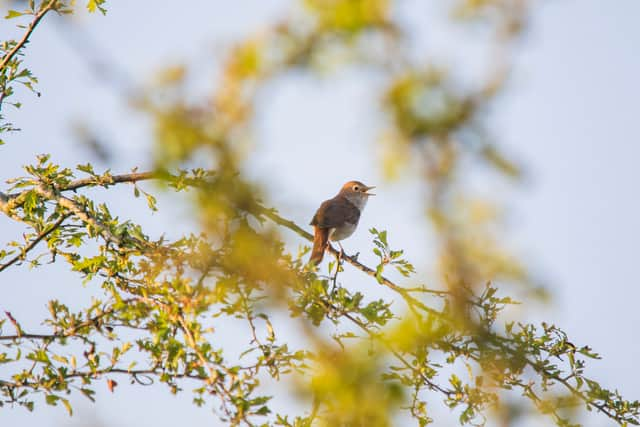
Mr Eversham said the land was a “beacon of hope” in one of the world’s most nature-depleted countries, where wildlife could one day spread out from to recolonise the surrounding countryside. Conservationists said that Strawberry Hill was home to 32 pairs of nightingales, a species which has declined more than 90% across the UK and is now on the conservation red list.
Its dense hawthorn scrub and willow-lined stream are also reportedly “teeming” with great crested newts, barn owls, cuckoos, pipistrelle and barbastelle bats - along with native orchids and rich insect life, including ringlet and speckled wood butterflies.
Wildlife Trust BCN’s conservation director Matt Jackson said the plan was to leave half the land, where the scrub is more mature, to continue its “natural succession” to woodland. In the other half, the “dynamic edge” habitat, animals like highland cattle will be grazed - which will help keep the scrub more open and allow different species to thrive.
Mr Jackson said the site remained unique in the highly pastoral area, due to the size of the area that was left to nature. “It’s so important from a wildlife point of view, and that 37-year head start enables us to see different approaches to managing abandonment and what effect they have on wildlife and carbon. It’s a unique opportunity.”
To find out more about Strawberry Hill or donate to the appeal to save it, you can visit the Wildlife Trust BCN’s appeal page online here.