
Married At First Sight UK axed as Channel 4 pulls filmed series after serious allegations review
Channel 4 has cancelled Married At First Sight UK and will not broadcast a series already filmed following an external review prompted by serious allegations involving former contestants.
Channel 4 has axed Married At First Sight UK after a major external review sparked by “serious allegations of wrongdoing” involving former contestants.
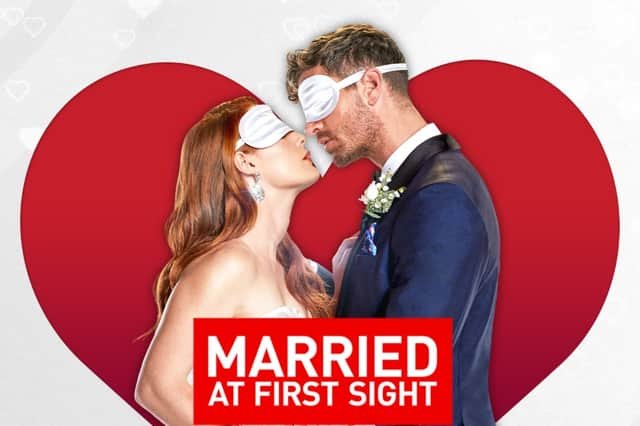

The broadcaster has confirmed the hit reality show will not return, while a completed series filmed earlier this year will not be shown.
The decision follows a BBC Panorama investigation in May in which two women who appeared on Mafs UK alleged they had been raped by their on-screen husbands, while a third alleged sexual misconduct.
All three men deny the allegations. In June, a Mafs UK cast member was also arrested on suspicion of rape.
Channel 4 stressed that its external review did not attempt to decide whether the allegations were true, saying those matters remained for the relevant authorities.
But the investigation has now led to the broadcaster calling time on one of its biggest reality formats after 10 years.
Channel 4 chief executive Priya Dogra said the programme had “run its course” and confirmed its budget would instead be spent on new shows.
Season six, which had already been filmed, will not air. A planned spin-off, Second Married at First Sight, bringing together former UK and Australian contestants for another chance at love, has also been scrapped.
The review was ordered earlier this year and split into two parts.
Law firm Clyde & Co examined welfare procedures and how concerns had been handled by Channel 4 and production company CPL, while former BBC One controller Lorraine Heggessey looked at whether the show’s current safeguards needed strengthening.
Clyde & Co concluded that the welfare system complied with the Ofcom Broadcasting Code and found no breach in the way issues had been handled.
However, it identified isolated occasions when procedures had not been fully followed, including an incident where contributors who broke rules relating to “prohibited substances” were warned rather than removed.
Heggessey’s report raised wider concerns about parts of the format itself.
It found some elements could “implicitly put pressure on contributors to be intimate” and said contestants could become dependent on production and “lose touch with reality”, potentially affecting their decision-making.
Among its recommendations were dropping Intimacy Week and Partner Swap Week, reducing how often couples were questioned about their sex lives and changing the programme’s controversial “stay or leave” system.
Under the existing format, a contestant who votes to leave can be required to remain for another week if their partner chooses to stay.
Despite those concerns, Heggessey found Mafs UK’s welfare procedures were “extensive, extremely thorough and of a high standard” and said the programme could continue if changes were made.
But Ms Dogra said implementing the recommendations would require such extensive intervention and monitoring that it could fundamentally change the show.
She said: “Welfare across all our programmes is a primary concern.”
Ms Dogra added that although the review found no breach of the Ofcom Code and did not conclude the format was inherently unsafe, Channel 4 had to decide when it was time to move on.
She also addressed the women who spoke to Panorama, saying she was “very sorry for the distress those women have clearly felt”.
Production company CPL said it understood Channel 4’s decision and pointed to the review’s finding that its welfare procedures were of a high standard.
Channel 4 said the money previously spent on Mafs UK will now be reinvested in “bold, innovative new programmes” from independent British producers.