
The seven deadly sins of writing


Award-winning author, Paul Crawford explores the seven key things writers are supposed to avoid
Not writing regularly
Various commentators emphasise the importance of writing regularly, if writers are to succeed. However, I have not seen any compelling evidence that writing every day improves your writing. There is no clear benefit in writing like clockwork. Most writers go with their mood, attention levels, or in response to random inspiration. Usually, I wait for the urge to write.
For example, I have been researching for a short, popular history. I have not written creatively on this for a couple of months while doing other stuff. I don’t believe the quality of my writing will suffer because of this. If anything, time away from writing in a particular genre, can enhance the ability to spot limitations and opportunities when you come back to it.
Overusing adverbs
Here we are talking about modifying a verb, adjective or another adverb. There is a general view that adverbs can be clutter, obsolete or redundant: he whispered quietly, he was very small, she shouted very loudly. I would agree that using simpler, stronger words are better for character development or action. For example, we might write he sprinted instead of he ran quickly. However, adverbs don’t need to be outlawed entirely. The key is not overusing them.
Poor grammar and syntax
Commentators on good writing will often place stress on using correct grammar and appropriate, expected sentence structure (syntax) that promotes the reader’s understanding. I would agree in general terms. Poor sentence structure, ‘run on’ sentences that never seem to end, or incomplete sentences (fragments) that never really get started or resolve, are generally to be avoided. However, we should not overlook how disrupting language, sentence structure and phrasing, can be creative, can feature in literature that challenges our expectations and rules.

Lacking clarity
Generally, most reviewers of writing will be looking for clear, logical progression of a piece of writing. However, clarity can sometimes provoke over-explanation or a tight literary style that removes some of the magic and emotion from the prose. There needs to be a balance between clear writing and cloudier or messier styles that offer the reader a particular point of view. For example, in William Golding’s novel, The Inheritors, it is far from clear what is happening in the opening pages of the book. Clarity is low and any understanding of actions hard-won. Yet when the reader finally gets to know what was being half-described, there is a shock or surprise value. Read the book yourself to gain further insight into how a lack of clarity can be a powerful tool in storytelling.
Incoherent storytelling
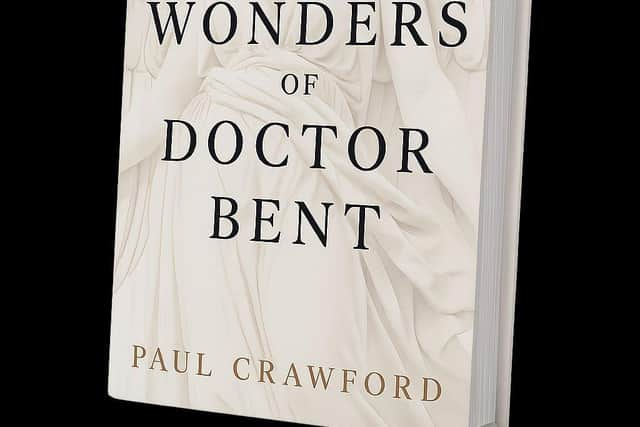
While many commentators insist on narratives that are coherent or comprehensible, we need to be careful here. Broadly, it is important to have a coherent plot or storyline and allow the reader to progress from one paragraph to another with sufficient connection to developing ideas or actions. However, some narratives can purposefully be incomprehensible or difficult to understand. The challenge of meaning making can be a foregrounded aspect of a text or piece of writing. At its best, writing that disrupts our expectations can be illuminating. The stories of people experiencing psychosis, for example, often dismissed as ‘incomprehensible’, can contain valuable information and insights into lived experiences. In my latest novel, The Wonders of Doctor Bent, I try to strike the right balance to convey altered mental states in a way that remain accessible for the general reader.
Using clichés
I would agree with commentators that clichés are best avoided when writing. Such overused expressions as ‘What goes around comes around’ or ‘All that glitters is not gold’ are likely to come across as unoriginal. That said, a piece of writing may play with or use clichés ironically, colour or mark a particular character’s speech or thinking through these forms.
Poor paragraphs
Commentators like to flag up the poor structure of paragraphs. Ideally, each paragraph should hold a single idea, concept or action phase. Shifting focus within a paragraph can lead the reader to struggle to follow the text. An excessively large paragraph can also seem burdensome. The chunking of a text through use paragraphs affords a satisfying, stepwise progress for the reader rather like the intakes and exhalations of breath. Denying the reader paragraphs, as with chapters or marked sections of a long piece of writing, may prove unwelcome. That said, a lack of paragraphing could also be a strategic, creative feature of a piece of writing.
Paul Crawford’s latest novel, The Wonders of Doctor Bent is available at Amazon, Waterstones, WHSmith, Foyles, Cranthorpe Millner, and all good bookshops. Author website: www.paulcrawfordauthor.com