
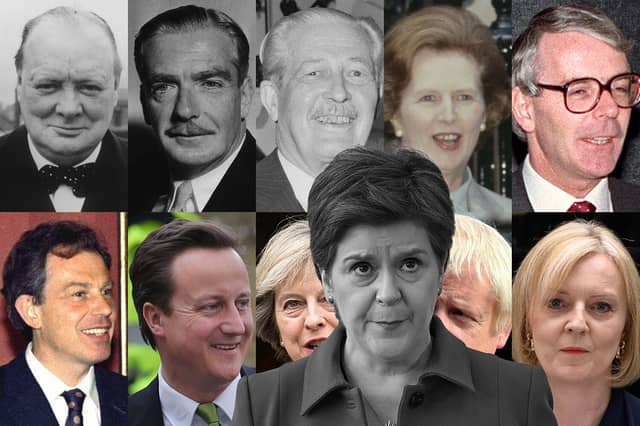


Scotland’s First Minister Nicola Sturgeon has announced today, (Wednesday 15 February), that she intends to resign after eight years in her post.
Sturgeon’s resignation came as a complete surprise to many - even those within her own party - but she joins other political leaders from across the UK who have quit their jobs over the last seven decades.
The last year especially has been a time of unprecedented political upheaval in the UK, with the country going through three Prime Ministers in a matter of months.
We take a look at political leaders who have stepped down, and their resignation speeches, in the gallery below.
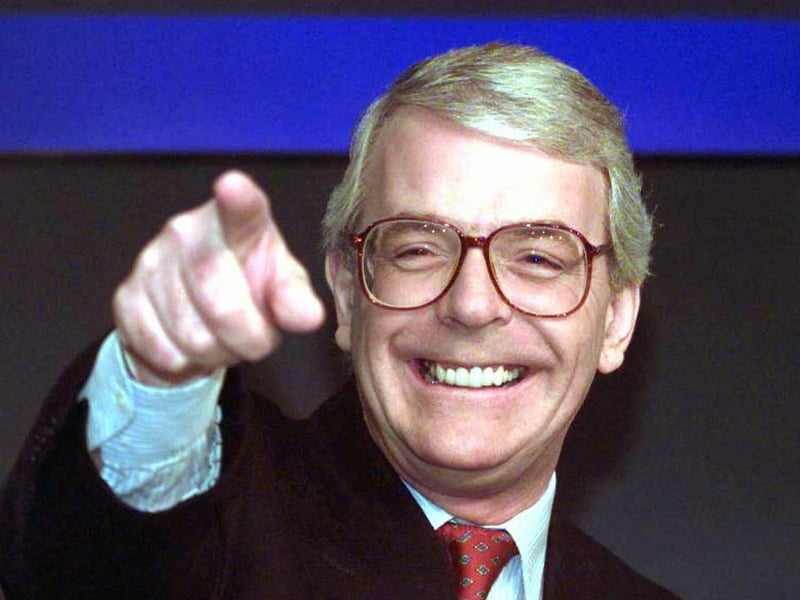
5. John Major
John Major took over as Prime Minister from Margaret Thatcher and had seven years in the role as leader of the country. Major didn’t officially resign as Prime Minister, but he did resign as leader of the Conservative party in 1995 following divisions in the party about the topic of the European Union, and also various scandals involving Tory MPs. Although he was then re-elected as Conservative leader, he remained unpopular and the party ultimately lost their majority. | AFP via Getty Images
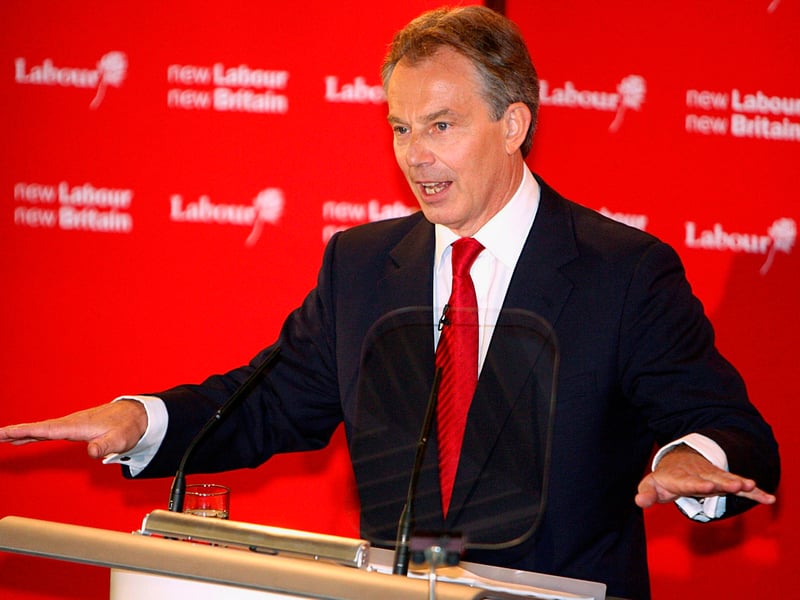
6. Tony Blair
After a decade in Number 10, Tony Blair announced his intention to resign as Prime Minister in May 2007. He gave a speech at Trimdon Labour Club, in Sedgefield in the North East in England, saying: “I have been prime minister of this country for just over 10 years. In this job, in the world of today, I think that is long enough, for me and more especially for the country. Sometimes the only way you conquer the pull of power is to set it down.” | Getty Images
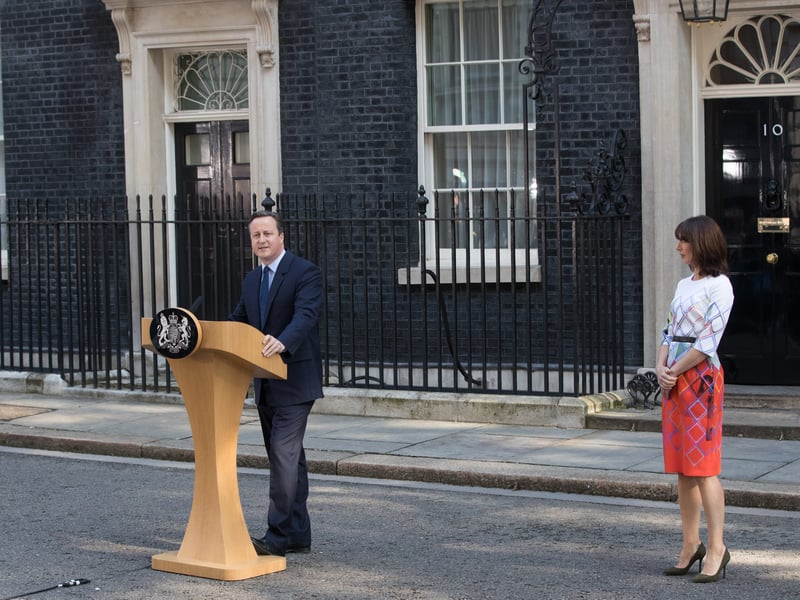
7. David Cameron
David Cameron, who won a majority vote in the 2015 election after many years of coalition government, resigned as Prime Minister of the United Kingdom in July 2016 after voters chose to leave the European Union in a Brexit referendum which took place the month prior. Cameron had been a supporter of the Remain campaign. In his Downing Street statement, he thanked people who had supported him during his time as PM and said: “For me politics has always been about public service in the national interest. It is simple to say but often hard to do. But one of the things that sustains you in this job is the sense that, yes, our politics is full of argument and debate, and it can get quite heated, but no matter how difficult the decisions are, there is a great sense of British fair play, a quiet but prevailing sense that most people wish their Prime Minister well and want them to stick at it and get on with the job.” | Getty Images
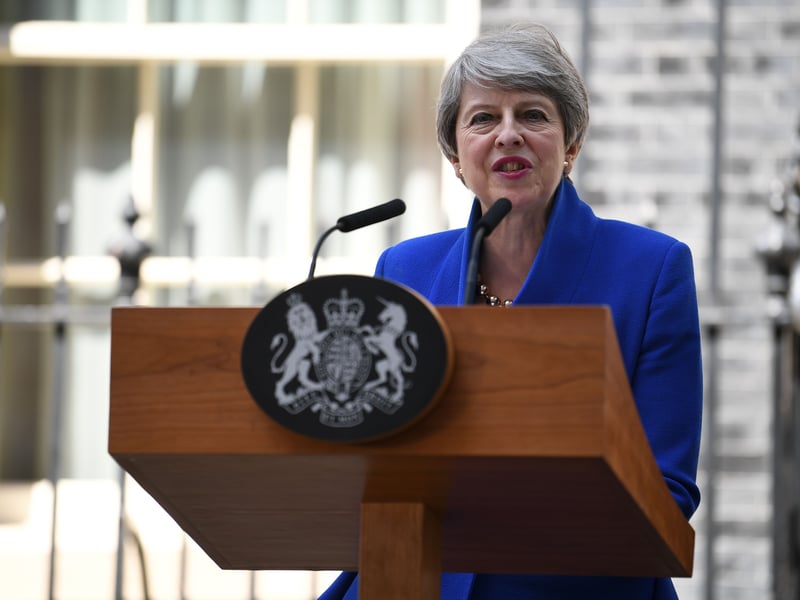
8. Theresa May
Theresa May was Cameron’s successor, and the second serving female UK Prime Minister. She officially stepped down in July 2019 after announcing her resignation two months earlier. This was due to the 2017 general election which led to a hung parliament and multiple difficulties getting different versions of her Brexit deals through the House of Commons. When she spoke outside Downing Street she said: “I have done everything I can to convince MPs to back that deal. Sadly, I have not been able to do so. I tried three times. I believe it was right to persevere, even when the odds against success seemed high. But it is now clear to me that it is in the best interests of the country for a new Prime Minister to lead that effort.” | AFP via Getty Images