
Scientist sleeps with 60,000 bed bugs in garden laboratory after being bitten millions of times
Most people would run screaming from a single bed bug – but one scientist invites thousands into his bed. Dr Richard Naylor even straps hungry insects to his arms to let them feast on his blood.
Most people would run a mile from a bed bug – but one scientist has turned his garden into a creepy laboratory where he sleeps with thousands of the bloodsucking insects.
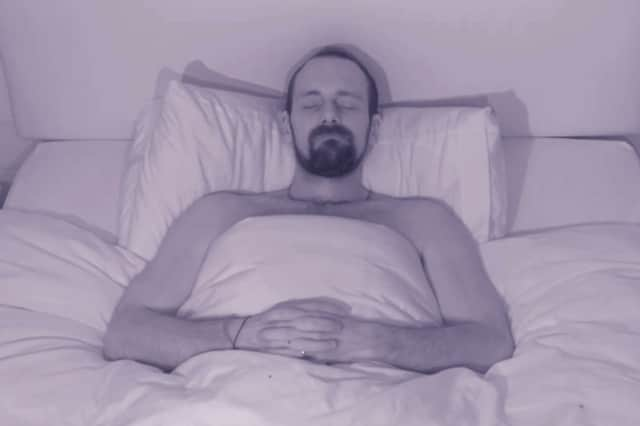

Dr Richard Naylor, 45, breeds an astonishing 60,000 bed bugs at his home in the Forest of Dean, Gloucestershire, and even allows them to feast on his blood twice a week.
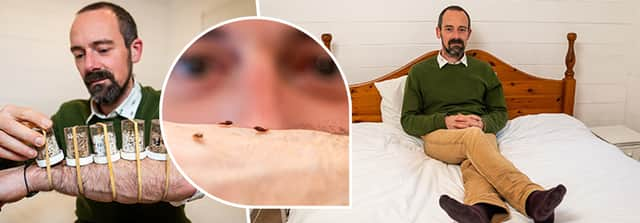
The entomologist straps pots of hungry insects to his arms and legs using elastic bands, letting them feed while he carries on working. And when it's time to test new pest control products, he takes things even further – spending the night with the creepy crawlies in a specially built two-bedroom laboratory at the bottom of his garden.
Dr Naylor, who runs the not-for-profit Bed Bug Foundation with his wife Alexia, has been working with the insects since 2001 and claims he has been bitten "millions and millions" of times. He says he no longer reacts to their bites after years of exposure, although he occasionally experiences symptoms of anaemia. He said: "Apparently it takes something like 40,000 bites to stop reacting to bed bugs. And that for me was more than a decade ago."
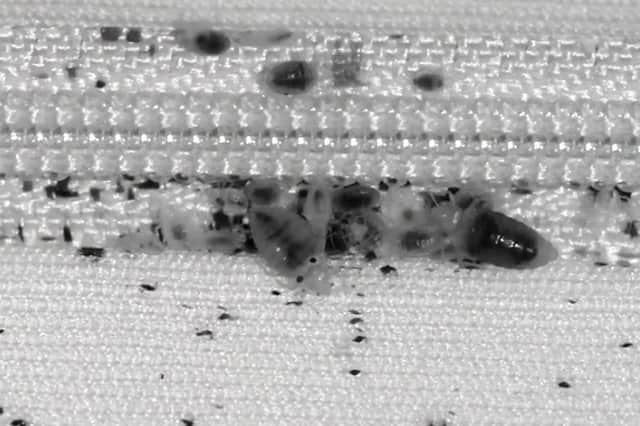
But his unusual sleeping arrangements serve an important scientific purpose. Bed bugs are attracted to human body heat and carbon dioxide, meaning they behave differently when there is nobody around. Dr Naylor explained: "I can't really test products on bed bugs without there being a host in the room because their behaviour completely changes." His research includes testing sprays, traps and repellents, as well as supplying insects to canine detection teams around the world.
Despite his unusual profession, his wife is firmly on board and has worked alongside him for 15 years, although she doesn't sleep in the test rooms. The couple have even accidentally infested their family home four times in 25 years.
Dr Naylor says bed bugs cause enormous psychological distress, with victims often becoming isolated because they fear spreading the insects to friends and family. He added that people were frequently horrified when they discovered his job. "I don't really know any other pest that's like it in terms of the fear it brings," he said.