
Government approves plug-in solar panels for UK homes in major cheap energy shake-up


This article contains affiliate links. We may earn a small commission on items purchased through this article, but that does not affect our editorial judgement.
Approved solar panels could soon plug into an ordinary household socket, opening the door to a lower-cost alternative to traditional rooftop systems.
A £300 gadget that can save people money every time the sun comes out could be arriving in the shops, after the government approved "plug-in solar" for UK homes.
Small domestic solar systems that can generate power from a balcony or a shed roof have been in use extensively across Europe for many years, but UK legislation has always prevented UK householders from quickly and easily accessing the technology - but that is about to change.
This month the Department for Energy Security and Net Zero responded to a landmark consultation exploring the pros and cons of allowing people to plug solar panel systems directly into their household sockets.
Organisations representing the electrical industry had issued advice against adopting plug-in solar, but a new set of safety guidelines are being drawn up to allay the concerns, and to pave the way for allowing the technology to hit the shelves in shops within weeks.
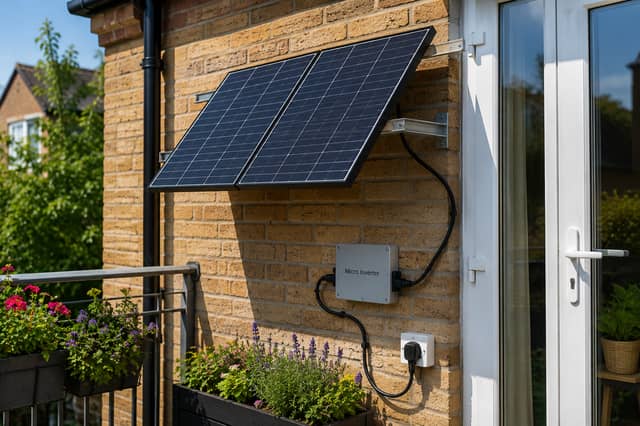
Unlike a full solar system, plug-in solar products typically include one or two panels and a small inverter. The panels can be fitted to a balcony, wall, shed or suitable outdoor space, with the electricity fed into the home through a standard three-pin plug.
The government said it will amend the Plugs and Sockets Regulations, while a separate legal change is expected to be put before Parliament shortly. Approved products will also have to meet a new interim safety specification before they can be sold.
Support for the plans was strong. The consultation received 466 responses during its two-week window, with 88% supporting the use of a standard UK plug and 86% backing mandatory product requirements.
What the government has decided we can and can’t do
One of the most significant decisions is that households could eventually be allowed to use one plug-in solar device on each separately protected electrical circuit, rather than being limited to one system for the entire property.
That could mean a home with separate upstairs and downstairs circuits could use two systems, perhaps placing one panel where it catches the morning sun and another where it benefits from later afternoon light.
However, that flexibility will not be available immediately. Existing electricity network rules currently allow only one device per household, so these will need to be updated before homes can install more than one.
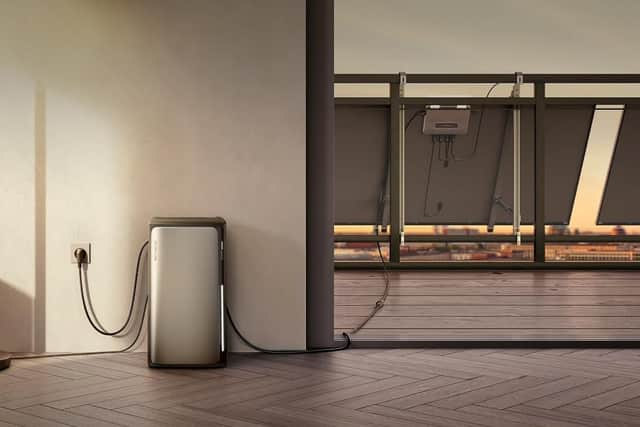
Each system will be limited to an AC output of 800 watts, with solar panels providing no more than 2,000 watts of DC input. The government decided against imposing a separate 800-watt limit across the entire property.
The final rules will also include several extra safety measures. Manufacturers will need to help customers identify and test the electrical protection fitted in their homes, including the residual current device, commonly known as an RCD.
Customers will be told to use the test button on their RCD and contact a qualified electrician if it does not work or if they are unsure whether their wiring is suitable.
There will also be requirements covering fire safety, including the materials used on the back of solar panels and the types of buildings and surfaces on which they can be installed. Higher-risk buildings, such as high-rise blocks, are expected to face tighter restrictions.
Manufacturers must also provide a safe way of routing the cable from an outdoor panel to an indoor socket. Extension leads will not be allowed.
Although we still have to professionally install our solar systems, there are plenty of options on the market already
A solar system in a domestic property needs a few key elements. Solar panels, a microinverter, and the cabling and fuse. That’s the basics, but you might choose to add battery storage.
A cheap kit can be bought online, with prices starting at £299 - here’s one we found on eBay. You will need to budget for an electrician to wire it in though, it’s not currently legal to plug it in to a three-pin socket
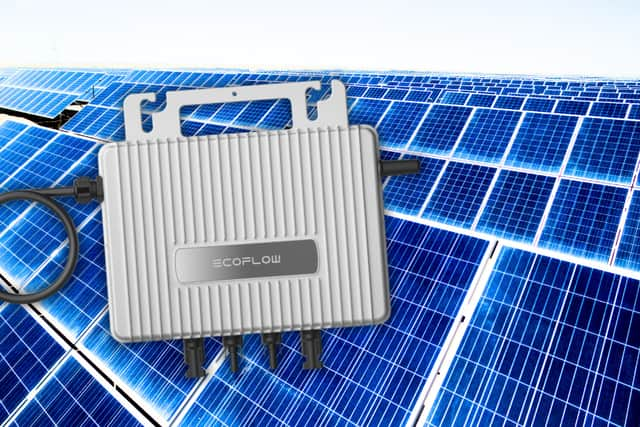
EcoFlow’s Stream series, one of the most popular premium DIY solar systems, starts with a £150 microinverter, which you can bundle with panels, or there’s a more comprehensive system available which comprises a battery too. Budget around £1,000 for panels and a Stream unit.
Prices of the Stream systems can quickly creep towards £2,000 for a bundle, and you might need to add some cabling or smart sensors, as well as pay for an electrician to visit. For a powerful 2kWh setup including four panels and installation, £2,000 is a realistic figure to aim for - but basic systems can cost half that.
Making it easy for people to choose and buy their new solar systems
Several big retailers have already expressed an interest in stocking the products, following Energy Secretary Ed Miliband's pledge to work on altering the legislation back in March.
Among the stores keen to stock approved plug-in solar systems are Amazon, Lidl, B&Q, and Currys. Ahead of the consultation, Georgina Hall, corporate affairs director at Lidl GB, said: “At Lidl GB, we want to make sustainable choices affordable and accessible to every household which is why we are supporting DESNZ’s latest steps toward modernising regulations for ‘plug-and-play’ technology.
“By establishing a clear, robust framework to bring plug-in solar to market safely and efficiently, it could unlock a highly effective, low-cost route for people to reduce their energy bills. We welcome this consultation and look forward to working alongside the government and industry partners to explore how these products can safely play their role in the UK’s clean energy revolution.”
Any products that arrive in stores will need to appear on the Energy Networks Association’s G98 Type Test Register before being sold. They must also carry a clear declaration showing that they meet the government’s interim product specification.
This should give customers a straightforward way to check whether a system is approved, rather than relying solely on claims made in an online product listing.
Professional installation will not be compulsory, and the government has decided against introducing mandatory inspections or third-party certification. Its safety research found that approved 800-watt systems could be used safely on suitable UK household circuits, including the ring circuits commonly found in British homes.
The new legislation doesn’t quite bring us in line with our European neighbours - yet
Battery storage is not included in the plans. This means the initial generation of approved products will feed electricity directly into the home but will not be able to store unused energy for later.
The government said battery-based systems raise additional safety and regulatory questions that still need to be examined. It has not given a date for when plug-in batteries or combined solar and storage systems could be considered.
The final rules and product specification are expected to be published alongside the legislation. Separate consumer guidance will explain how to identify a suitable circuit, notify the local electricity network, mount the panels safely and recognise when an electrician is needed.
Renters and leaseholders will also be advised to obtain permission from their landlord or freeholder before installing a system.
No timescale has been given for when the new standards will be implemented and the green light is finally given for sales of plug-in solar to start, but in the race to net zero, energy-efficient schemes tend to move quickly.

🏡✨ For 19p, you could be in with a chance of winning a £1.85 million dream home bundle in Lancashire, complete with five en-suite bedrooms, 1.77 acres, smart-home tech, a Gaggenau kitchen and every bit of furniture included.
🚗💨 The prize also comes with a black 2023 Range Rover D300, packed with luxury touches including a panoramic roof, Windsor leather, Meridian audio and a huge 13.1-inch touchscreen.
💷 Prefer the money? The winner can take the £1.3 million tax-free cash alternative instead, with the live draw set for Friday, July 31 at 9pm.

✨ e.l.f.’s cult-favourite Power Grip Primer is the beauty hero behind the “grip, set, go” routine, helping smooth skin and give makeup something to cling to before festivals, weddings, holidays, day parties and long summer plans.
💚 Regular users can stock up with the Jumbo Power Grip Primer, while the Power Grip Stick & Set Duo keeps things brilliantly simple: grip it first with primer, then set it with Power Grip Dewy Setting Spray for long-lasting wear and a fresh, dewy finish.
🎪 For anyone building a festival beauty kit, the Power Grip family is all about making your base routine feel easy, affordable and event-ready, with options including the 4% Niacinamide primer and Rosé Setting Spray for shoppers who already know this range has serious beauty-bag energy.