
British gas urges ‘prepare now’ for winter: When exactly you should turn heating on and thermostat temperature advice

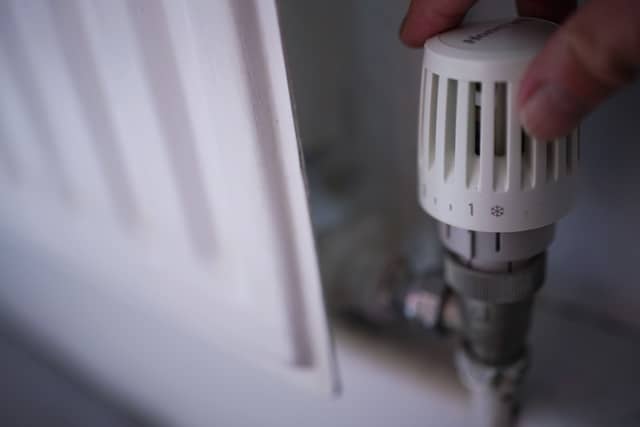

Energy firm British Gas is urging households to “prepare now” for winter as households get ready to turn the heating on this month - but when exactly is the right time to reach for the thermostat and what temperature should it be?
It’s beginning to feel a little chillier lately and the Met Office is predicting freezing temperatures are on the way, so it won’t be long before households start firing up the central heating. Ahead of the big switch on one of the major energy firms is urging people to ‘prepare now’.
British Gas customer data shows there is a boiler switch-on each year during the first September cold snap, but the majority turn their heating on in late October or when there are four consecutive days of minimum temperatures below 9C. More than 1.2 million customers called on its engineers to fix broken boilers last winter to get their heating and hot water system back up and running.
Sunny Solanky, a British Gas service and repair engineer, said: “Now that summer is behind us, many people will be thinking about turning their heating back on for the first time since last winter and that’s often when unwanted issues can appear. Keeping your boiler in good working order is key to making sure everything runs smoothly, and a few simple changes around the home can also make a real difference to your comfort and energy use.”
British Gas advice ahead of heating switch on
Experts at the company have offered several top tips ahead to make sure your heating system is working efficiently and possibly help to save on energy bills too.
- Bleed radiators: The firm said households should bleed their radiators, especially if the top of the radiators feels cooler than the bottom, by using a radiator key, gently opening the valve at the top to let the air escape before closing it again.
- Seal windows and doors: Make sure windows and doors are properly sealed by using self-adhesive foam strips around frames, and draught excluders for blocking gaps beneath doors, as well as inexpensive keyhole covers and letterbox brushes to stop cool air entering the house.
- Don’t block radiators: Ensure heavy furniture is not placed in front of radiators and use thicker curtains at windows and doors and rugs on bare floors to reduce heat escaping.
- Warm the room you’re in: Embrace ‘zonal heating’ by avoiding heating rooms that are not in use.
- Insulate pipes: Insulating pipes will avoid them cracking or bursting when water turns to ice.
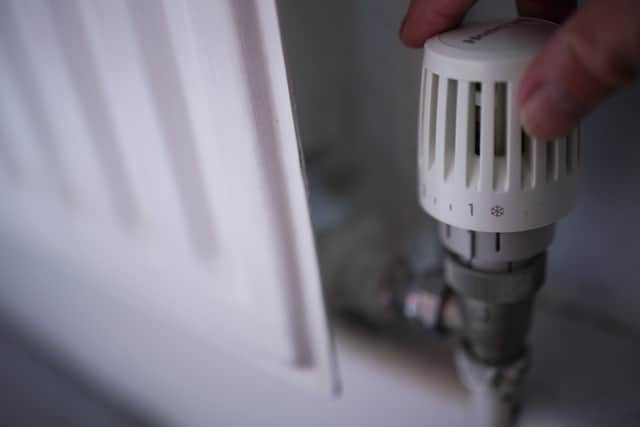
- Set the thermostat: Keep the thermostat set between 18C and 21C to ensure both comfortable and cost-effective heating. British Gas said reducing the temperature by just one degree could trim around 10% off heating costs, saving the average household roughly £75 a year.
- Set a schedule: Scheduling heating to switch on about 15 minutes before you get up and to turn off half an hour before bedtime can help to cut costs.
Exactly when you should turn your heating on
There is no fixed date for when you turn on your heating, however, the recommended time to flip the switch is when the outside temperature consistantly drops below 15C, which typically happens in October. The NHS recommends this as a guideline to avoid health issues.
While thermostats should be set between 18C and 21C, if there are elderly or vunerable people in the home, a warmer temperature is recommended so aim for around 20C. While you can use the outside temperature as a guide, if members of the household are beginning to feel cold indoors, you may need to turn the heating on before then.
Keep an eye on the weather forecast to help you know when you are likely to need to get the heating on and set timers so you warm the house shortly before you get up in the morning and before you arrive back home, if you are going to be out of the house during the day.