
High pollen count to hit UK: Hayfever sufferers warned of "very high levels" in coming days

Hayfever sufferers are being warned of "very high levels" of pollen across the UK in the coming days.
As summer comes into full bloom, many of us find ourselves sniffing, rubbing our eyes - and blaming the dreaded hay fever. The UK is set to head into another heat wave, raising concerns sufferers could struggle with the resultant increase in pollen levels which spark the allergy.
The Met Office said rising temperatures would bring higher pollen levels across many parts of the UK, "dominated by grass pollen levels with weed pollen also present", rising to "very high levels".
The north of England will see persistent high pollen levels, while regions such as Yorkshire, the Midlands and the northwest will widely reach very high levels by the weekend or early next week, the Met Office said. Wales will also see a steady rise, with moderate levels increasing to very high by Sunday and Monday.
The highest pollen levels are expected across southern and eastern England. In the East of England, very high pollen levels are likely throughout the period.

Is pollen worse this year for hay fever sufferers?
With many complaining of worse hay fever conditions this year than previously, the Met Office says it has "no data to support the claim that pollen is ‘worse’ this year". "Pollen levels can vary significantly depending on the timing of weather patterns and the types of pollen in season," a spokesperson said.
"Some years may feel more severe for individuals due to a combination of high pollen counts and exposure to multiple pollen types at once. The grass and weed seasons started earlier and stronger than we would usually see due to the warm weather experienced during the late May bank holiday weekend, so this may be impacting some people’s perception of the season."
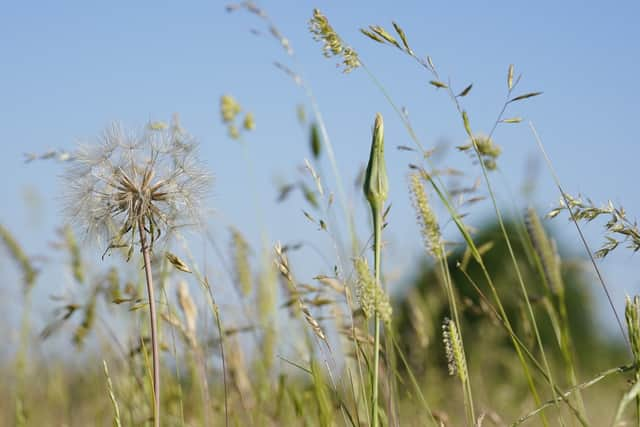
They said grass pollen is the main cause of hay fever at this time of year and typically peaks in June, with levels currently high or even very high across parts of the country. Weed pollen is also present at lower levels than grass.
"Recent warm, dry conditions with light winds are ideal for pollen to be released and carried through the air, while a lack of rainfall means it isn’t being washed away, which can make symptoms feel particularly severe," they added.
"Spells of rainfall with sunshine in the last few weeks have provided the ideal growing conditions for grass and weeds. For most hay fever sufferers, the worst conditions are warm, dry and breezy days. These allow pollen to be released easily and spread efficiently through the atmosphere. Calm, dry days can also lead to high levels locally, as pollen accumulates near the source.
"By contrast, cooler conditions, higher humidity and rainfall tend to reduce airborne pollen, at least temporarily."