
UK heatwave weather forecast: After torrential rain is the country set for a September heatwave?

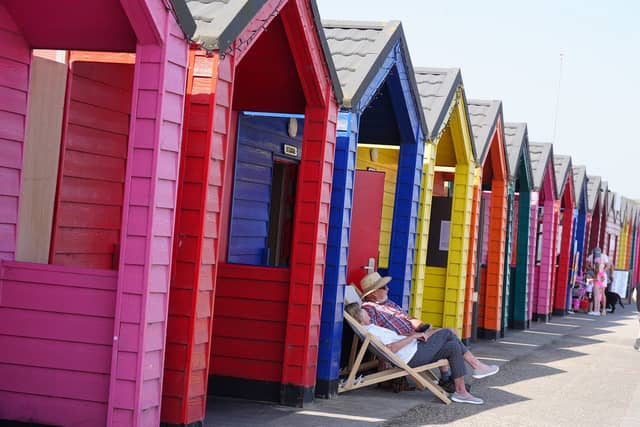

After a very wet start to September, is a heatwave on the cards as temperatures forecast to rise?
The UK could see a small Indian summer this weekend - with temperatures set to rise above the seasonal average for September. The BBC said the mercury could hit 25C or 26C by Sunday (September 7), well over the normal range of up to 22C.
However, while some are calling it a heatwave or Indian summer, neither is strictly true. A heatwave is broadly regarded as an extended period of temperatures rising to around 30C, while an Indian summer generally takes place in October or November - when thermometers are usually much lower then the summer months.
And, in recent decades, we have seen a number of periods of warm weather in September, including in 2023, when the start of the month saw seven consecutive days with temperatures exceeding 30C.
In 1929 and 1911, there were five consecutive days of 30C or more, the BBC said. In 2023, on September 10, the hottest day of the year was recorded - with 33.5C at Faversham, Kent.

The hottest September day on record dates back to 1906, when the temperature reached 35.6C at Bawtry, South Yorkshire. For those craving some late warmth, this week is unlikely to get anywhere near those heights.
Storm names 2025/26 revealed
While many are hoping for more clement weather this month, the Met Office has issued a reminder of the inclement conditions which could be just around the corner in the form of the latest storm names list. Names including Dave, Hannah and Ruby have all made it onto the 2025/26 list.
The Met Office said factors considered when deciding on names for the list, including how difficult it is to pronounce, if it has different meanings across the different countries, is connected to a public figure, or could be controversial in any way. Storms are given a name when they are deemed to have the potential to cause medium or high impacts in the UK, Ireland or the Netherlands, with wind the primary focus, although additional issues from rain or snow will also be looked at.
Rebekah Hicks, chief meteorologist at the Met Office, said: “Naming storms isn’t just about giving them a label, it’s about making sure people take notice. When a storm has a name, it becomes easier for the media and public to talk about it, share information, and prepare. It’s a simple step that can make a big difference in helping communities stay safe, protect their homes, and make informed decisions ahead of severe weather.”
“We know that for Storm Floris, just a few weeks ago, surveys found that 93% of people in the amber warning area were aware of the alerts, with 83% taking action to prepare,” she added. “Over the past decade, we’ve seen how naming storms helps raise awareness and ultimately, helps save lives. It’s a simple but powerful tool in helping communities stay safe when severe weather is on the way.”