
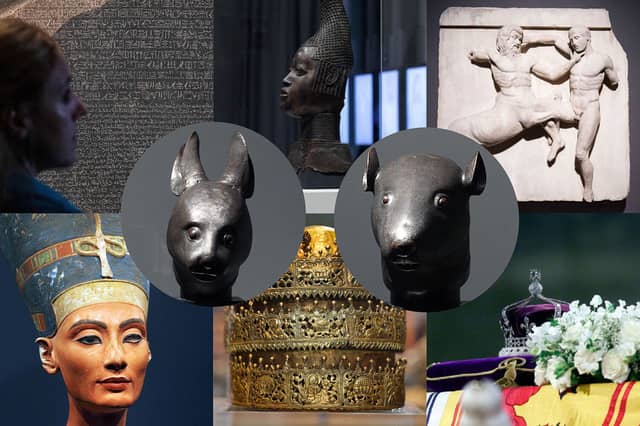


British Museum Chairman George Osborne has reportedly drawn up an agreement with Athens as part of a “cultural exchange” to return the Elgin Marbles. According to The Telegraph, the former Conservative Party chancellor is reportedly seeking to repatriate the antiquities back to Greece.
It comes after the Government rejected Tory peer Lord Vaizey of Didcot’s call for a law change to make it easier for UK museums to deal with restitution requests, as current legislation prevents treasures from being legally given away by the museum. However, the loan deal will not end the long-running dispute over the 17 sculptures and part of a frieze that decorated the 2,500-year-old Parthenon temple at the Acropolis.
Lord Elgin - Thomas Bruce - after whom the marbles have been named, was the British ambassador to the Ottoman Empire between 1799 and 1803. He petitioned the authorities to be able to draw, measure and remove the marbles.
Greek prime minister Kyriakos Mitsotakis has called for the marbles to be returned to Greece on many occasions, even offering to loan some of his country’s other treasures to the British Museum in exchange. In December 2022, the museum said in a statement it had “publicly called for a new Parthenon Partnership with Greece” and would “talk to anyone, including the Greek government about how to take that forward”. In December, Germany returned artefacts to Nigeria, in a similar agreement.
But what other antiquities are disputed? Here’s some of the items wanted back by countries:
Read more:
5. Priam’s treasure
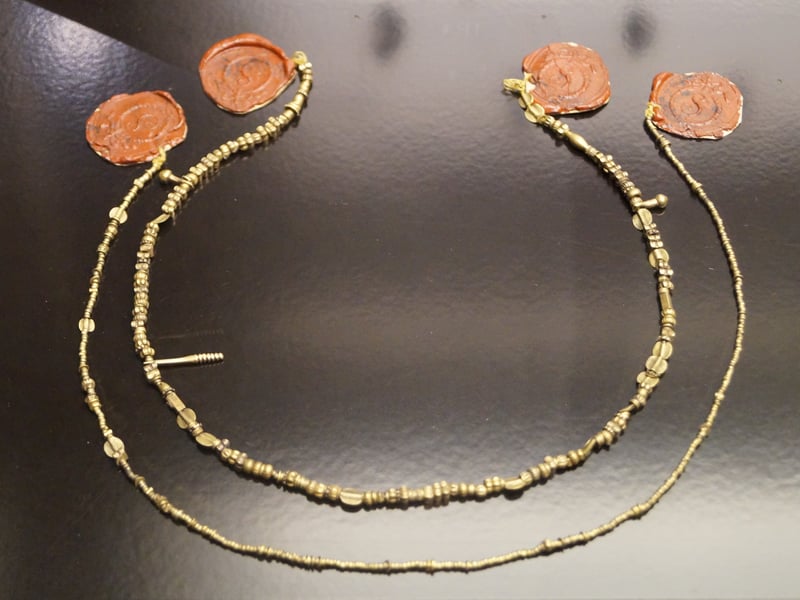
Priam’s Treasure is a cache of gold and other treasures discovered by German archaeologist Heinrich Schliemann and Frank Calvert in Anatolia 1837 and was named for Priam, king of Troy. Schliemann illegally smuggled the loot to Berlin, convinced he had found evidence of the Iliad’s famed ancient city. However, Soviet soldiers stole the treasure at the end of World War II, and it wasn’t until 1994 when Pushkin Museum admitted to having kept the items. The items are now disputed by both Germany and Turkey, but Russia subsequently has said it had no intention of returning them. | NationalWorld
6. The Maqdala crown and treasures
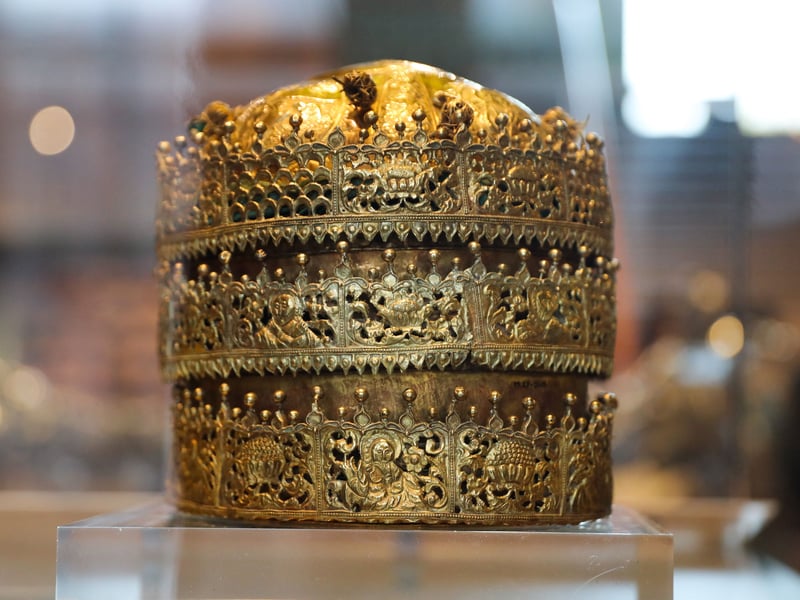
In the spring of 1868, British troops captured Maqdala in a battle that was part of a larger attempt to overthrow the Ethiopian empire. They ransacked a fortress and soldiers took with them various riches, including an ornate gold crown made some time around 1740 that is believed to have been commissioned by a ruler and her son. The Victoria & Albert Museum in London now houses the crown, and since then, the Ethiopian government has called for its return - though the museum has offered to send some of these cultural artefacts back on a long-term loan. | AFP via Getty Images
7. Klimt portrait of Adele-Bloch Bauer
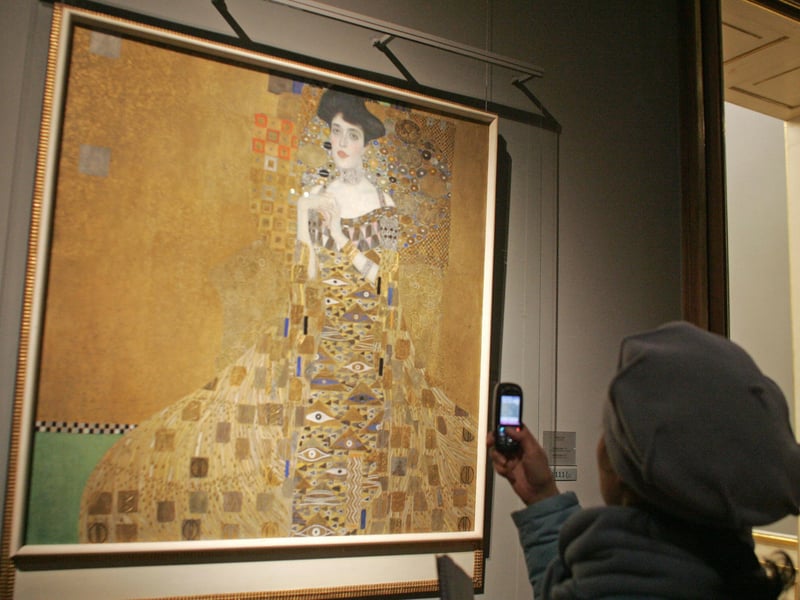
Gustav Klimt’s Portrait of Adele Bloch-Bauer I (1907), which features a female sitter with an incredible gold and black patterned dress, was bought by collector Ronald Lauder for $135 million in 2006, and it currently hangs at his New York museum, the Neue Galerie. After a seven-year legal case, an arbitration court in 2005 ordered the Austrian government to return the five paintings to US resident Maria Altmann, the niece and heir of Bloch-Bauer, who fled Nazi-ruled Austria for the United States. The paintings, valued at more than $120 million, had been displayed at a Vienna museum since World War II after being seized by the Nazis when Germany annexed Austria in 1938. | AFP via Getty Images
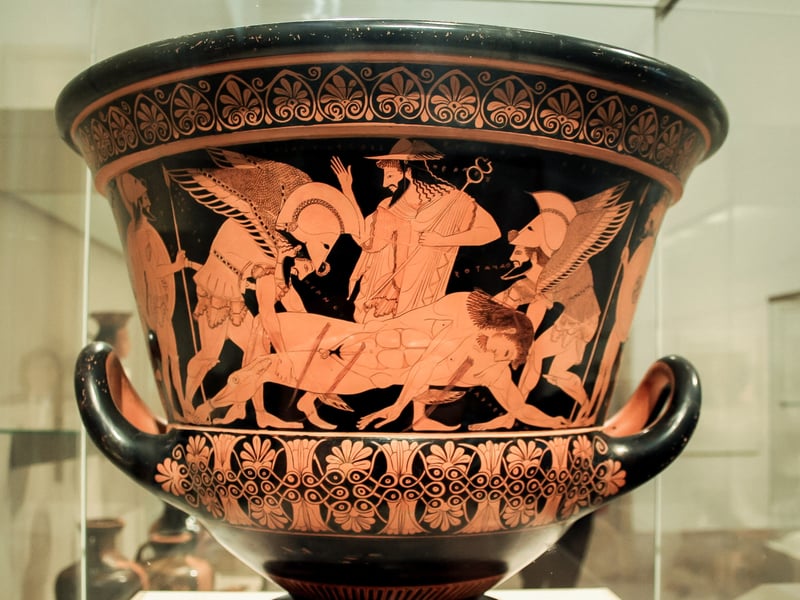
8. Euphronios Krater
The Euphronios krater was at the heart of a three-decade tug of war between the Metropolitan Museum of Art in New York and the Italian government. The terracotta bowl intended for mixing wine and water from around 515 BCE, travelled from Europe to New York in 1972. In 2008, the krater was finally packed up and shipped to Rome, one of 21 treasures turned over by the Met under the terms of a groundbreaking 2006 accord. Today, the work is owned by the Archaeological Museum of Cerveteri. | NationalWorld