
Gen Z's risky holiday behaviour threatens public health, study warns
A recent study by Newfoundland Diagnostics has revealed alarming holiday health risks, with a staggering 71% of Generation Z admitting they will attend social gatherings while knowingly ill with COVID, flu, or norovirus.
The poll of 2,000 adults highlighted particularly concerning behaviors among young people during the Christmas season. More than half of Gen Z respondents (52%) said they would still hug and kiss friends or colleagues while sick, and some even reported they would continue socialising activities like drinking alcohol (30%) and sharing vapes or cigarettes (20%).
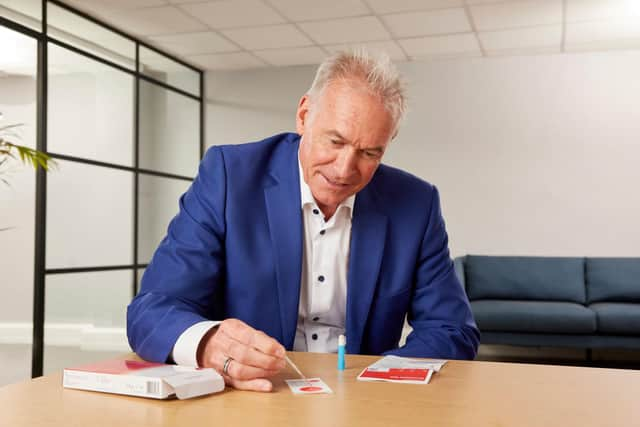

Dr. Hilary Jones, a prominent TV medical expert, expressed serious concerns about the potential public health impact. "This could be one of the worst Christmases on record for the country," he warned. The NHS is already anticipating a "tidal wave" of flu hospitalisations as millions of Britons prepare to travel home for the holidays.
In contrast to Gen Z's cavalier attitude, 61% of Baby Boomers reported being terrified of going out this Christmas, fearing potential infection. Approximately 68% of older adults are nervous about attending work Christmas parties due to health risks.

The study also uncovered that 28% of Gen Z individuals would not even disclose their illness to others, further increasing transmission risks.
Newfoundland Diagnostics' co-founder Frederick Manduca emphasised the broader implications: "When individuals attend social events while ill, they're not just risking personal health, but potentially triggering a domino effect that could overwhelm our already strained healthcare system."
Health experts are urging people to take simple precautions: test before visiting vulnerable relatives, avoid contact when unwell, and be mindful of shared spaces. Newfoundland Diagnostics is offering affordable at-home testing options to help people monitor their health during the festive season.
With over 10 million young people potentially putting elderly relatives at risk, this holiday season could prove challenging for public health management.