
Plug-in solar could save households money – but experts have warned of 'serious risks' (aff)


This article contains affiliate links. We may earn a small commission on items purchased through this article, but that does not affect our editorial judgement.
Ministers want affordable DIY solar systems to reach UK shops, but electrical industry groups say strict safeguards must be introduced before they are adopted widely
As the UK government rolls out a consultation on the idea of allowing households to use plug-in solar systems to save money on their electricity bills, electrical safety and industry bodies have warned of a "serious risk" to homes.
Energy secretary Ed Miliband said back in March that he wanted to see affordable "balcony solar" systems on the shelves in the summer, addressing the fact that nearly homes in Europe had already the technology.
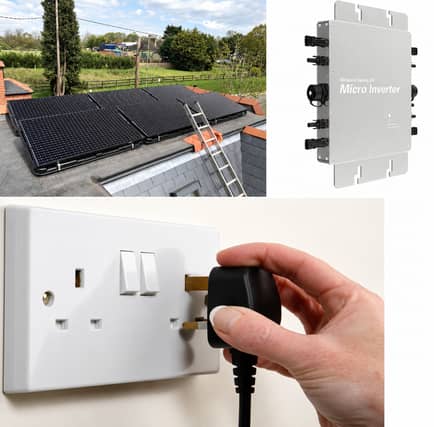
By buying solar panels and a microinverter, it is possible to send the free solar energy straight into a household wiring system through a standard plug socket - but while this is commonly done in Europe, regulations prevent it being adopted in the UK.
And it's those regulations that the government is seeking to lift, as The Department for Energy Security and Net Zero launched an official consultation this week.
Ahead of the consultation, a group of leading electrical industry organisations issued a joint statement pointing out a series of potential pitfalls and hazards they want the government to take seriously.
The Electrical Contractors’ Association (ECA), Electrical Safety First (ESF), the Institution of Engineering and Technology (IET), NICEIC and SELECT, some of which represent the financial interests of electrical contractors, listed six public safety issues in their statement.
Introducing the statement, the NICEIC's technical team wrote: "Public safety must be the first principle in any rollout of plug-in solar PV units. Whilst we support wider access to cheap and clean energy, these products should only enter the mass market once the necessary regulatory, technical and product safety framework is fully in place.
“Without that foundation, there is a serious risk of avoidable hazards in homes, uncertainty for the electricity system, and lasting damage to public confidence in the energy transition.
"We believe there are serious issues that must be addressed before any mass-market adoption. We are urging Government to proceed with caution and ensure that safety, product assurance, competence and system resilience are designed into any rollout from the outset."
The team added that plug-in solar could create safety risks when connected to older or poorly maintained wiring that was never designed to accept power flowing back into the circuit, potentially affecting protective devices and increasing the risk of fire.
However proponents of plug-in solar argue that plug-in solar is restricted to 800 watts, or around three amps, while many homes now have electric vehicle chargers, installed under the watch of the industry bodies, which run at around 7,000 watts, or 32 amps.
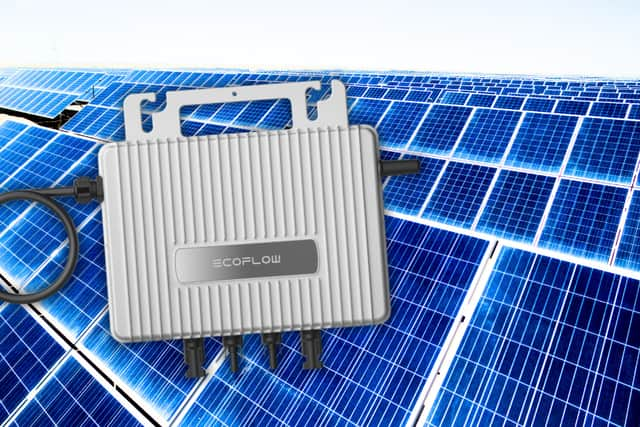
The systems that will be used for plug-in solar power, if it is finally adopted in the UK, are already on sale, but they are supplied with bare wires that need to be linked to the household mains by an electrician.
Some users have bypassed the regulations and used a plug socket, and it has been argued that, if the practise was to be officially allowed it could be controlled more effectively.
A basic solar panel and microinverter setup can be bought for as little as £299 on eBay, and more powerful setups with batteries to store excess power can start from around £1,000.
The government hopes to see supermarkets stocking plug-in solar panels in the future, hinting that a setup could cost around £400. Lidl and Sainsbury's are among the retailers rumoured to be in talks.
Here are some options for money-saving solar kits on the market right now
A solar system in a domestic property needs a few key elements. Solar panels, a microinverter, and the cabling and fuse. That’s the basics, but you might choose to add battery storage.
A cheap kit can be bought online, with prices starting at £299 - here’s one we found on eBay. You will need to budget for an electrician to wire it in though, it’s not currently legal to plug it in to a three-pin socket
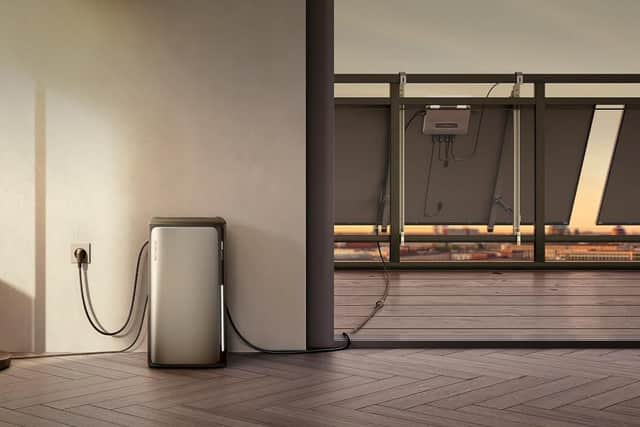
EcoFlow’s Stream series, one of the most popular premium DIY solar systems, starts with a £150 microinverter, which you can bundle with panels, or there’s a more comprehensive system available which comprises a battery too. Budget around £1,000 for panels and a Stream unit.
Prices of the Stream systems can quickly creep towards £2,000 for a bundle, and you might need to add some cabling or smart sensors, as well as pay for an electrician to visit. For a powerful 2kWh setup including four panels and installation, £2,000 is a realistic figure to aim for - but basic systems can cost half that.
Even a small solar system can save a household as much as 60p per day, with bigger plug-in systems earning back around £2 or more.
However, until the regulators and the government can agree on a pathway to allowing all homes to have an opportunity to buy into the technology it will remain a niche innovation enjoyed by only a few.
And with the summer solstice now days away, and the nights drawing in from next week onwards, any positive steps forward could be too late to make the most of the longer day lengths.
The sun is quite literally starting to set on Ed Miliband’s dreams of a nation of self-sufficient homes becoming a reality in 2026.
The five electrical industry organisations highlighted six main areas of concern in their joint statement. They are as follows.
- Bi-directional power flow: Plug-in solar sends electricity back into a home’s wiring rather than simply drawing power like a normal appliance. They warned this could affect the operation of RCDs and other protective devices in some circumstances.
- Fire risk in older homes: Much of the UK’s housing stock has ageing or deteriorating wiring that may not be suitable for additional power generation. Multiple plug-in units could increase the risk of cables overheating.
- Unclear product standards: The groups fear products could reach consumers before robust UK safety standards and enforcement are established, including systems supplied with flattened cables or other accessories that may be vulnerable to damage.
- Pressure on local electricity networks: If large numbers of households begin generating power without notifying their Distribution Network Operator, network operators may have less visibility over local supply, capacity and resilience.
- Insurance and liability: Questions remain over whether insurers would cover a fire or electrical fault involving a self-installed system that had not been declared or was connected to unsuitable wiring.
- Daisy-chaining and poor installation: The use of extension leads, adaptors or several devices on one circuit could increase the risk of overheating, fire and trailing-cable hazards. The groups also questioned how quickly multiple units would shut down during a power cut.

Love books but struggle to find time to sit down and read? Amazon Audible is currently offering a 30-day free trial that could be the perfect way to work through that ever-growing reading list.
The Audible Standard plan includes one audiobook from a catalogue of more than 900,000 titles, plus unlimited access to a wide selection of podcasts and audio series. Popular titles currently available include Harry Potter and the Deathly Hallows, Project Hail Mary by Andy Weir, London Falling by Patrick Keeffe and Enough by Dawn French.
The free trial lasts for 30 days. After that, the Standard membership renews at £5.99 per month unless cancelled. Audible Premium Plus is also available for listeners who want monthly credits and access to an even larger collection of audiobooks and podcasts.
👉 Start an Audible free trial today and discover why millions of people have swapped page-turning for play.

Selling every 20 seconds worldwide, SmilePro’s Advanced Whitening Kit is one of the fastest-growing alternatives to expensive dentist whitening. The dentist-developed system claims to deliver visibly whiter teeth in just 10 minutes and is currently available with 50% off.