
I tracked every watt from my DIY solar panels – here’s what they really saved me (aff)


This article contains affiliate links. We may earn a small commission on items purchased through this article, but that does not affect our editorial judgement.
After eight months of living with DIY solar, I've become obsessed. I've spent countless hours staring at energy data, cheering on sunny days and quietly cursing passing clouds. And while the savings have been welcome, the biggest surprises have had nothing to do with money.
You might have noticed the weather has been a bit iffy, recently. Cloud, rain, cold temperatures... It's been a grim start to summer.
But you might remember our spring was pretty good - ending with a record-breaking May heatwave. In fact, it was the fourth sunniest spring since records began, and there were plenty of sunny spells.
It was a great time, then, to put my DIY solar setup through its paces. And, as I sit waiting for the rain to stop so I can walk the dogs, it's a good time to take stock of how much money it's saved me during the spring.
I installed my setup, an EcoFlow Stream system, in September last year - just after one of the sunniest summers on record, and just as the cruel autumn months rolled in. It was rotten timing.
But spring has been pretty kind to us, so I've seen some great performance out of my panels. Here are the key things I've learned in over six months of owning a basic solar system.
You absolutely do save money by buying DIY panels
EcoFlow makes some bold claims in the sales literature for its "Stream" series of balcony solar batteries. "Slash up to £963 off your electricity bills", it says.
I don't want to be too critical, because I'm quite fond of EcoFlow, but I certainly won't save that much in one year. Even considering the fact I've got four panels and two batteries at home.
In fact, I've just checked and, since I've had the system up and running, I've saved £172.32. Not bad going for about eight months, but I'm certainly not going to save £963 before September.

But there are factors to consider here. Firstly, my solar panels don't reach their full potential, even on a sunny day. This is due to physical constraints, and I can't angle them perfectly. They're south facing, but don't face in the optimum direction. I would earn quite a bit more if they were angled better.
One of my panels catches a bit of shade from a tree, they're mounted flat on a conservatory roof which isn't great for cooling, and I haven't been able to set up a smart meter so the AI system EcoFlow uses to regulate how much power goes to the batteries and how much is used for my house is having to guess every day.
None of these factors, if I fixed them all to perfection, would add up to an annual saving of £963, but it would be a handsome discount on my previously rather frightening electricity bill.
That said, there are plenty of days when I've saved more than £2 - which is pretty much what I would have spent - and nearly every day in May my panels have earned me back at least £1 or more.
To put it in a more realistic context, I've been able to reduce my energy bill by £60 per month since I've had the panels, with another few reductions likely by the end of the summer, weather permitting. I think that's pretty good.
Costs and kit explained
A solar system in a domestic property needs a few key elements. Solar panels, a microinverter, and the cabling and fuse. That’s the basics, but you might choose to add battery storage.
A cheap kit can be bought online, with prices starting at £299 - here’s one we found on eBay. You will need to budget for an electrician to wire it in though, it’s not currently legal to plug it in to a three-pin socket
EcoFlow’s Stream series, like the kit I’ve been using, starts with a £150 microinverter, which you can bundle with panels, or there’s a more comprehensive system available which comprises a battery too.
Prices of the Stream systems can quickly creep towards £2,000 for a bundle, and you might need to add some cabling or smart sensors, as well as pay for an electrician to visit. For a powerful 2kWh setup including four panels and installation, £2,000 is a realistic figure to aim for - but basic systems can cost half that.
You'll be glued to the data

I now have my smart meter on my desk, and it registers "0w" for most of the day, and I've set up a tablet that displays EcoFlow's app on it while I'm working. As the sun comes out I can see my panels working away, and as the sun fades I can see the number drop to zero - and the smart meter responding accordingly.
It is fiercely addictive, knowing that everything in your house, fridge, freezer, two home offices, a vivarium for a cold-blooded lizard, and all the lights and small appliances we use are being powered by the sun. For free. It's more like a hobby than an investment.
It'll take you a while to recoup your costs - but it will happen
As investments go, there are arguments for and against solar. And a DIY solar setup like this changes the metric a bit. It's actually possible to set yourself up a small EcoFlow Stream system for less than £1,000. I've even seen basic balcony solar kits on eBay for less than £300.
One day the government might fulfil its promise to authorise "plug and play" solar systems and we'll see them in the middle aisles at Aldi and Lidl.
But for now, if you want to make decent savings, a realistic budget for quality batteries, decent panels, and a microinverter is going to be around £2,000. That could plausibly include installation. You’d need to be very competent at DIY to wire a system in yourself, but an electrician should charge around £100, depending on the locations of the kit and the consumer unit.
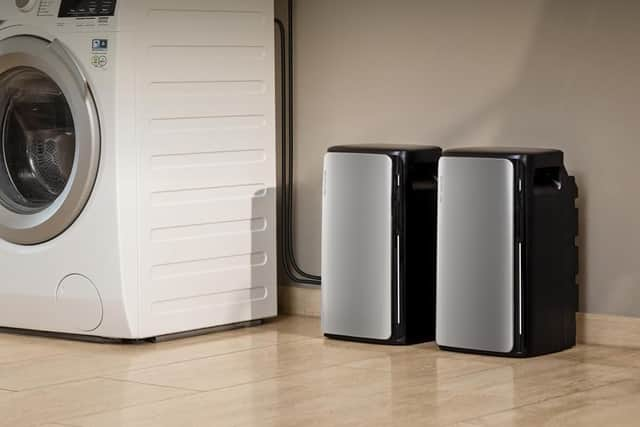
I reckon I'm going to end up saving around £250 this year. And while my system could have performed better had I been able to set it up more effectively, I doubt I'd have saved any more than about £400.
That means it would take me five or six years to break even, based on what my entire setup is worth, and that means it's something of a long term commitment.
Handily, though, EcoFlow's Stream system comes with a 10-year warranty. Solar panels should last for 25 years or so, and many full household solar systems can take at least eight years to pay back, even if you profit a little by feeding energy into the grid. So it's not a bad timescale for a return on your investment.
We're lagging way behind Europe in DIY solar adoption
Since going on my solar journey I've learned so much about what our continental neighbours refer to as "plug-in solar" or "balcony solar". I've been to launches and events, and I've watched new technologies emerge.
Underpinning all this is the elephant in the British room. While many European countries are allowed to buy a solar kit - sometimes in their own supermarkets - and plug them straight into a household electrical socket, we're not being offered that privilege.
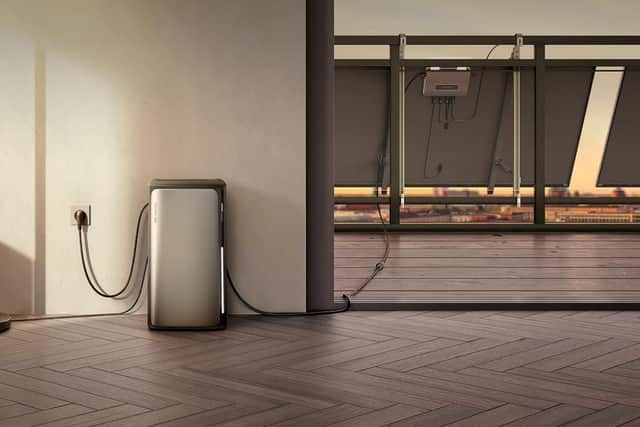
This is because of legislation, and Energy Secretary Ed Miliband has made noises about changing that legislation as part of his relentless push towards net zero.
Storing electricity generated by solar on a national scale is a huge expense and a headache for the government, but if more households suddenly started buying up batteries and benefitted from the cheap solar, we'd start building a national network of small systems and the country's capacity would increase rapidly.
There are safety reasons behind the hesitation, and some argue that British homes don't have types of electrical systems to handle a solar current securely enough, but if these issues can be resolved, it might not be long before you can march down the middle of Lidl and buy a battery and panels for the cost of a barbecue.
I’ll be at the front of the queue.

Love books but struggle to find time to sit down and read? Amazon Audible is currently offering a 30-day free trial that could be the perfect way to work through that ever-growing reading list.
The Audible Standard plan includes one audiobook from a catalogue of more than 900,000 titles, plus unlimited access to a wide selection of podcasts and audio series. Popular titles currently available include Harry Potter and the Deathly Hallows, Project Hail Mary by Andy Weir, London Falling by Patrick Keeffe and Enough by Dawn French.
The free trial lasts for 30 days. After that, the Standard membership renews at £5.99 per month unless cancelled. Audible Premium Plus is also available for listeners who want monthly credits and access to an even larger collection of audiobooks and podcasts.
👉 Start an Audible free trial today and discover why millions of people have swapped page-turning for play.

Plant-based ready meals have come a long way from the bland reputation they once had, and services such as Grubby are leaning into meals that look more like comforting weeknight dinners than traditional ‘healthy eating’ options.