
Birmingham City new stadium: Expected capacity size, cost, what will it look like, Sports Quarter plans - when will it open?

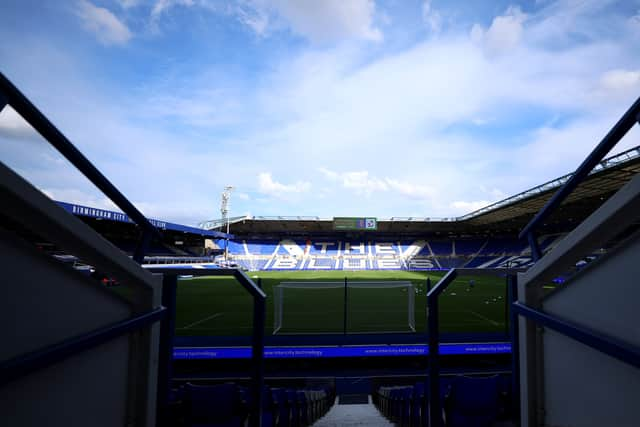
Birmingham City have played their home matches at St Andrew's Stadium since 1906, but they will soon move to a brand-new stadium.
After just one season in League One, the club returned to the Championship and are now dreaming of Premier League football again. On October 21, Birmingham City chairman and owner Tom Wagner confirmed the artichect and stadium design team for the proposed Sports Quarter at the former Birmingham Wheels Site, just a short walk from the club's current home St Andrew's @ Knighthead Park.
The American confirmed that British-based design company Heatherwick Studios and United States designers MANICA have been given the responsibility of drawing up plans for the 62,000-seater stadium and surrounding areas. Tom Wagner publicly gave estimates of how much it is going to cost and how much space is needed.
The Birmingham City chairman has stated that the overall cost will be somewhere between £2bn and £3bn, but this won't be an issue when it comes to PSR compliance, as infrastructure costs don't count towards these rules. He said: “It will be upwards of 125 acres when it’s done. There are some components that we don’t yet own that are necessary to ensure we can bring the full scope and scale.”

“I think that we will get there. I know that we have the Government’s full support. The faster that we can work with the local property owners to make that happen the better it will be for everybody.”
The new Birmingham City stadium project received a boost at the beginning of June after the Government pledged £2.4 billion to boost the West Midlands transport network. This funding, which came directly after talks between the Government and Birmingham City owner, Tom Wagner, means that there will soon be a direct tram link between the new Sports Quarter and the centre of Birmingham.
In the future, there is hope that there will be a link between the new stadium and the east of the city, where the airport and HS2 Interchange are located. When the plans for Birmingham City's brand-new stadium were announced, the club were very public in their ambition to have the venue completely finished by the end of 2029.
Wagner has admitted that the planned completion date is also very ambitious. They aim to complete the entire project by 2029, enabling Birmingham City to host their home matches at the new stadium during the 2029/30 season.
Earlier this year, Birmingham City announced that they had purchased a 48-acre site in east Birmingham and unveiled their plans for a new world-class stadium. The site, which was formerly known as Birmingham Wheels, will be transformed into a new sports quarter if all goes to plan and the plans are ambitious, to say the least.
They have since purchased 12 more acres of land next to the former Wheels site. The club are said to be looking to create something similar to what Manchester City have done with the Etihad Campus, where all the club's training facilities and stadium are on one site.
Thanks to the sheer size of the land the club has purchased, there is also space for office blocks, restaurants, bars, and places for fans to socialise. Knigthead is said to want the complex to be used all year round, not just on matchdays, and it has the potential to transform the east side of Birmingham.
Concept art was also released when the plans were first unveiled, which gave fans a look at what the stadium and the surrounding area could look like if everything went to plan. At the time, Wagner was keen to stress that he wanted to build something that was in line with the rest of the city.
On the look of the stadium, Wagner said: I don’t know if we’re going to go with the spaceship look but I think it (the concept art) gives you a strong idea of what our intent is. Maybe the most important aspect is this huge promenade where people are coming in because not everyone will be watching the game in the stadium because obviously all 62,000 seats are sold.
“We want something that fits in the community and critically it’s important that this doesn’t look like a blight on the skyline of Birmingham and that it fits within the context of the city and more importantly, the neighbourhood.”