
'Punishing travellers': Gatwick becomes UK's most expensive airport for drop-off fees - hiking charge to £10

Gatwick Airport will become the UK’s most expensive for drop-off fees.
Tomorrow (Tuesday 6 January), the airport will hike its drop-off fees to £10. Gatwick currently charges £7 per entry to the drop-off zone which is enforced by automatic number plate recognition (ANPR) cameras at the entrance to the airport.
But from tomorrow, the charges will rise by some 43 per cent to £10 for the first 10 minutes. The price hike has been defended by the airport.
A spokesman for Gatwick told the Daily Mail: “This increase in the drop-off charge is not a decision we have taken lightly. However, we are facing a number of increasing costs, including a more than doubling of our business rates.
“The increase in the drop-off charge will support wider efforts to encourage greater use of public transport, helping limit the number of cars and reduce congestion at the entrance to our terminals, alongside funding a number of sustainable transport initiatives.” It comes as London City Airport is set to introduce a charge tomorrow for the first time.
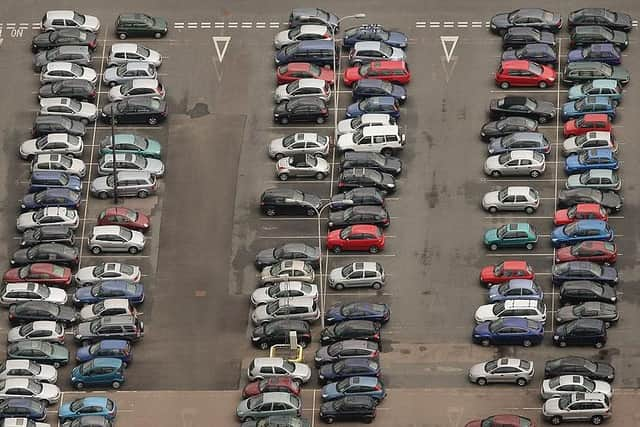

London City Airport was the last of the UK's top 20 airports not to have a drop-off fee, but, as of tomorrow, it announced they would be introducing an £8 charge for the first five minutes, then an extra £1 for any additional minutes with a maximum stay of 10 minutes. The charge will also be added to taxi fares, the airport said.
Clive Wratten, CEO at BTA, has criticised Gatwick Airport for its latest hike on drop-off fees. He said:“This latest increase feels more like a cash grab than a necessity. Gatwick is now the most expensive airport in the UK for drop-offs, putting the cost squarely on passengers and businesses while doing little to tackle underlying issues around operating costs or sustainable transport.
“Across Europe, airport drop-offs are largely free, yet this approach is increasingly becoming normal in the UK. Bristol has just announced a rise, with Heathrow and London City following suit, creating a worrying trend of punishing travellers rather than supporting them. A sensible cap on drop-off and pick-up charges would prevent this trend from spreading and ensure airports remain accessible to everyone.
“For many, public transport simply isn’t a practical option - early flights, strict check-in times, and limited services mean taxis or private cars are often essential. This disproportionately affects those travelling for work, who already make a significant contribution to the UK economy. Airports are critical national infrastructure. If they genuinely want to support sustainability and connectivity, they must implement practical solutions that make travel fair and workable.”