
Germany closing borders: Popular EU country tightens border controls - when it will be enforced and impact on tourists explained

Germany has announced that it is tightening checks at its land borders in a bid to control "irregular migration".
The news comes after weeks of public anger following suspected Islamist attacks. In late August, three people were killed in a knife attack in the western city of Solingen. The Syrian suspect had been slated for deportation but evaded law enforcement.
The attack, claimed by the Islamic State group, came just a week before key regional elections in eastern Germany and are said to have inflamed the debate on immigration in the country. Interior Minister Nancy Faeser told a press conference that the new border checks would limit migration and "protect against the acute dangers posed by Islamist terrorism and serious crime".
Europe's Schengen zone allows for passport-free travel between member countries, but member states are allowed to introduce border checks if they feel there is a threat to public policy or internal security. The new border checks in Germany will be in force from Monday 16 September.
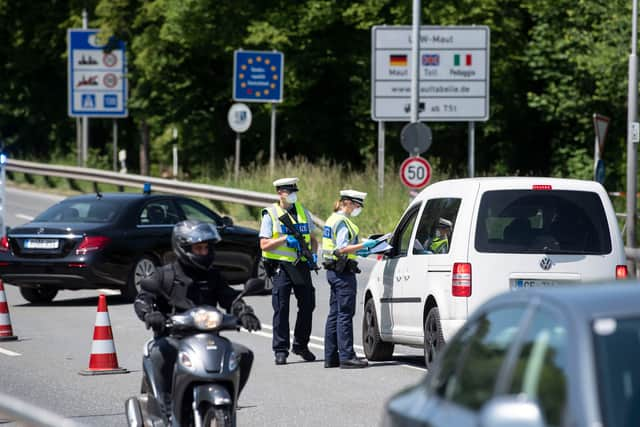

Details are still emerging on the border checks, however, it's likely that the checks will affect anyone arriving into or out of Germany by land. According to EuroNews, traffic jams could build up for drivers if more are stopped at borders, and bus and train journeys could take longer if transport is stopped to carry out checks.
Germany already has temporary controls along its border with Austria, which were implemented in 2015 to counter a large influx of migrants and have stayed in place since. These controls are currently in place until 11 November 2024.
The new controls will now be extended to Germany's other land borders, with France, Luxembourg, Belgium, the Netherlands and Denmark, the ministry said. They will initially be in place for six months which means they will be cover the busy October, Christmas and New Year travel periods.