
Mpox monkeypox: Spain on red alert as cases of contagious virus surge as WHO declares 'international health emergency'

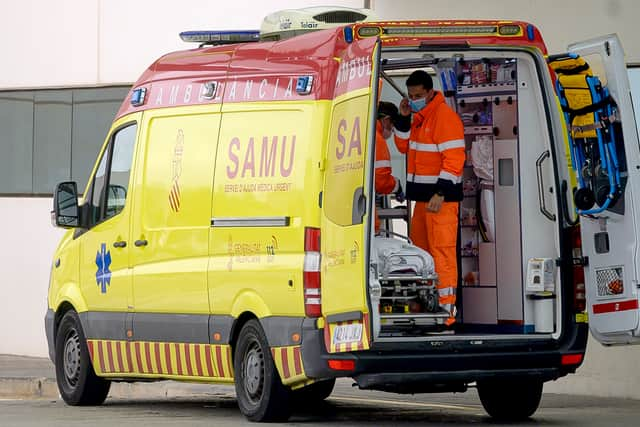
Spain is on red alert after it has recorded the highest number of monkeypox cases in Europe since the start of the current outbreak in April 2022.
A total of 8,101 cases have been reported, nearly double that of another popular British tourist destination on the list. So far in 2024, there have been 260 confirmed cases, with almost half in the Spanish capital of Madrid. Ninety percent of those were unvaccinated.
Nearly all (98 percent) of cases are in males aged between 6 and 68 years, although six out of ten were between 30 and 49 years old, bringing the average age to 37. Three out of four presented general symptoms, such as fever (the most frequent), asthenia, sore throats, muscle pain or headache.

Of the 213 out of 260 infections this year, 16.4% of people reported having had close contact with a probable or confirmed case. The most likely form of transmission was sexual intercourse in 80% of monkeypox infections with the overwhelming number of cases involving gay or bi-sexual men.
On Wednesday (14 August) the World Health Organization (WHO) declared an "international health emergency" over the explosion of monkeypox outbreaks in Africa. The international agency warns that the situation on the continent of mpox, as the disease is also called, is very worrying, with outbreaks of different variants in different countries.
For now, the WHO has developed a regional response plan that requires an initial 15 million dollar (13.6 million euros) to support surveillance, preparedness and response activities. The European Union announced the purchase and donation of more than 215,000 doses of mpox vaccine through the Health Emergency Response and Preparedness Authority (HERA).
According to the European Centre for Disease Control and Prevention (ECDC), the risk of monkeypox in Europe is "very low". "The ECDC is working with our partners in Africa in their efforts to contain this outbreak for the benefit of all those affected, and to prevent this new variant from spreading further and to strengthen future preparedness and response capacities," ECDC director Pamela Rendi-Wagner said in a statement on 29 July.