
SpaceX Starship flight 9 launch: Spacecraft explodes for third time in a row - but Elon Musk says it's a 'big improvement'

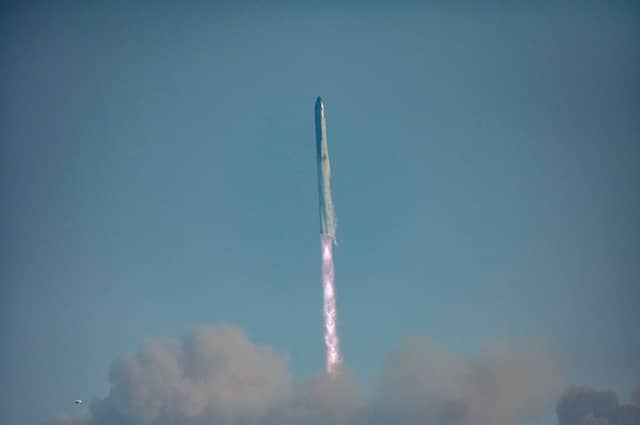

SpaceX’s Starship rocket exploded during a test flight on Tuesday, the third consecutive setback for Elon Musk’s company.
A livestream of Tuesday’s test flight, which ran on the SpaceX website and on social media, showed the first-stage booster exploding and the second-stage Starship spacecraft undergoing a major fuel leak, then spinning out of control and blowing up during reentry. The Federal Aviation Administration said in an emailed statement on Tuesday that the agency, “is aware an anomaly occurred during the SpaceX Starship Flight 9 mission that launched on Tuesday, May 27, from Starbase, Texas, and is actively working with SpaceX on the event.” The agency said there were “no reports of public injury or damage to public property at this time.”
Musk, who is CEO of SpaceX and the world’s wealthiest person, wrote on X:“Starship made it to the scheduled ship engine cutoff, so big improvement over last flight! Also no significant loss of heat shield tiles during ascent.”
He added that “leaks caused loss of main tank pressure during the coast and re-entry phase” of the rocket. Musk vowed that SpaceX would increase its Starship launch cadence with upcoming flights at a rate of about one very three to four weeks.

SpaceX was previously restricted to five Starship launches per year from its spaceport in Texas but gained a key approval from the FAA to increase its launch cadence earlier this month. SpaceX didn’t respond to a request for additional information on Tuesday following what it called a “rapid unscheduled disassembly.”
During Starship's eighth flight test in early March, several engines shut down unexpectedly about 5 1/2 minutes into the launch, resulting in SpaceX losing control of the craft. Communication with the vehicle was lost several minutes later.
After an investigation, the company said a "hardware failure" with one of the engines caused fuel to mix and ignite where it shouldn't have. And while the ship wasn't instructed to self-destruct, SpaceX says it likely did so automatically. As Starship broke up, debris fell across South Florida and parts of the Atlantic, leading to ground stops at nearby airports.