
The Five Cs of Great Leadership: Five behaviours that can make you a better leader in 2027
Leadership development isn't something we simply attend a course for. It's something we practise every single day, by developing five key behaviours
Leaders who want to become more effective can find the secret to success in five simple but powerful behaviours.
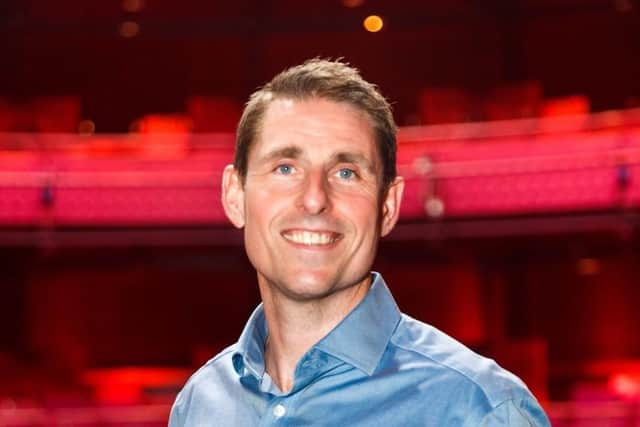

That’s the view of Drew Povey, author of The Leadership Factor and founder of the Drew Povey Consultancy, who has identified the five Cs that underpin exceptional leadership: curiosity, confidence, collaboration, charisma and change.
And his message to leaders looking ahead to 2027 is clear: stop concentrating on what you want to achieve and start paying attention to how you behave.
Drew says: “Great leadership isn't about having all the answers, being the loudest voice in the room or having the biggest job title. It's about five behaviours that anyone can develop.
“There's a fundamental misunderstanding about leadership. People often think it's about having the answers, being confident, being charismatic or having a senior position. It isn't. It's about what you actually do and the impact your behaviour has on the people around you.
“The five Cs are curiosity, confidence, collaboration, charisma and change. But they're not things you simply acquire. They're behaviours you have to practise.
“We don't become curious by saying we are; we become curious by asking better questions. We don't develop confidence by being the loudest person in the room; we develop it by taking action. And we don't create collaboration or charisma by writing them into a strategy document and sticking it on the wall.
“Leadership development isn't something we simply attend a course for. It's something we practise every single day.
“Leaders are made, not born. It's not about position, title or personality type. It's about the behaviours you demonstrate, the environment you create and the confidence you inspire in others.
“The leader you become in 2027 will be shaped far less by the resolutions you make in January and much more by the behaviours you practise every day, starting now.”
Here outlines the five behaviours that leaders should start developing immediately.
1. Curiosity: Stop assuming you have the answers
“Great leaders don't need to know everything. In fact, the most effective ones understand that assuming they have all the answers can be one of the biggest obstacles to progress.
“Curiosity challenges assumptions, encourages fresh thinking and prevents organisations from becoming complacent.
The most dangerous phrase in leadership is 'I already know the answer to that'. The moment you think you know everything, you stop learning, and that's when problems start.
“The world is changing constantly. The answers that worked yesterday won't necessarily solve tomorrow's challenges. Leaders need to be prepared to question what they believe, listen to different perspectives and recognise when they might be wrong.
“My advice is simple: ask one more question. Particularly, 'What am I missing?'
“You've got to speak as if you're right but listen as if you're wrong. That doesn't mean lacking conviction. It means having the confidence to challenge your own thinking. That's where the best ideas come from.”
How to develop it: Make a conscious effort to ask one additional question in important conversations. Before making a decision, ask whose perspective you haven't considered and what assumptions you might be making.
2. Confidence: Create it in others, not just yourself
“Confidence is often mistaken for certainty, authority or an ability to command attention. But genuine leadership confidence is much more powerful when it is shared.
“The best leaders don't simply believe in themselves; they create the conditions for others to believe in themselves, too.
“Confidence isn't about ego or believing you'll always succeed. It's about believing you can respond constructively when things don't go to plan.
“The biggest mistake leaders make is thinking their job is to have confidence in themselves. Actually, their job is to create confidence in the people around them.
“That comes through preparation, progress and giving people the opportunity to experience success. You need to show people the evidence that they're getting better, rather than simply telling them to be more confident.
“Too many leaders jump in and rescue people at the first sign of difficulty. They think they're helping, but often they're removing the very opportunity someone needs to develop.
“Instead of asking someone, 'Can you do this?', ask them, 'What's the first thing you can do?' That small change moves people away from hesitation and towards action.”
How to develop it: Keep a daily record of small wins and lessons learned. Recognise progress, give people responsibility and resist the temptation to take over when someone encounters a challenge.
3. Collaboration: Make the room smarter
“Leadership isn't about being the smartest person in the room. It's about creating a room where everyone can contribute their intelligence, experience and ideas.
“As organisations face increasingly complex challenges, the ability to bring people together and harness collective thinking becomes a defining leadership skill.
“Collective intelligence beats individual brilliance. The goal shouldn't be to be the smartest person in the room; it should be to make the room smarter.
“There's a difference between cooperation and collaboration. Cooperation is working alongside each other. Collaboration is when we actively make each other better.
“The best leaders create environments where people feel able to challenge, contribute and disagree constructively. They understand that having different opinions isn't a threat to good leadership; it's essential to it.
“One of the simplest things a leader can do is let the team speak before sharing their own opinion. Once the boss has spoken, people often fall into line, even when they have a different view.
“Ask yourself whose perspective is missing from the decision. You might discover that the person with the most valuable contribution is the one who hasn't yet had the opportunity to speak.”
How to develop it: In your next team meeting, share your own opinion last. Invite alternative perspectives, actively seek challenge and make sure everyone has an opportunity to contribute.
4. Charisma: It's about how you make people feel
“Charisma is often associated with extroverts, natural performers and people who command attention. But effective leadership charisma has very little to do with being the loudest person in the room.
“It's about presence, authenticity and the ability to make others feel valued.
“People often assume charisma is something you're born with. They picture someone who walks into a room and immediately commands everyone's attention. But that's only one version of it.
“Real charisma is about the impact you have on other people. Are you present? Are you genuinely interested? Do people feel better, more positive or more confident after spending time with you?
“People rarely remember every word you say, but they'll remember how you made them feel.
“You can develop that simply by giving someone your full attention. Put your phone away, make eye contact, listen properly and show genuine interest in what they're saying.
“It's not complicated, but it makes an enormous difference. People want to feel that they matter. Great leaders make sure they do.”
How to develop it: Give people your undivided attention. Be genuinely interested in their views, bring positive energy to conversations and make every interaction count.
5. Change: Adapt before you're forced to
“The final C is perhaps the most important in an increasingly unpredictable world. Great leaders don't wait until circumstances force them to change. They recognise when something needs to evolve and have the courage to act.
“In the words of former US Army Chief of Staff General Eric Shinseki: “If you dislike change, you're going to dislike irrelevance even more.”
“The greatest risk isn't that the world changes. That's inevitable. The greatest risk is that we don't.
“Leadership and change are inseparable. If nothing ever needed to change, we wouldn't need leaders; we'd simply need people to manage what already exists.
“Something that made you successful yesterday can become the very thing holding you back tomorrow. Effective leaders understand when to protect what works, improve what doesn't and have the courage to abandon things that are no longer serving a purpose.
“And here's where I think leaders often get it wrong. They constantly ask what they should start doing. But sometimes the better question is what they should stop doing.
“There are habits, processes and ways of working that continue simply because they've always been there. They consume time, energy and resources without delivering any real value.
“You don't necessarily get faster by pedalling harder. Sometimes you get faster by taking the handbrake off.
“Leaders need to be brave enough to challenge the status quo, remove unnecessary obstacles and give their people the freedom to do things differently.”
How to develop it: Ask your team three questions: What should we keep doing? What should we improve? And what should we stop doing altogether?
The leadership challenge for 2027
“Ultimately, leadership isn't measured by what you say about yourself. It's measured by what happens to the people around you.
“Are they more confident? Are they contributing more? Are they challenging assumptions? Are they developing? Are they better equipped to deal with change?
“That's the real test.
“You don't need to transform everything overnight. Start with one behaviour. Ask better questions, give someone more responsibility, listen without interrupting or challenge a process that no longer makes sense.
“Small changes in behaviour, consistently repeated, can have an enormous impact.
“Forget trying to become a different person in 2027. Concentrate on becoming a better version of the leader you already are. The best leaders don't just get better results. They make the people around them better, too.”