
Wasps are most aggressive in September - here are five easy hacks to ward them off
Wasp season in the UK typically runs from April to October, with colonies being at full strength between June and August when worker wasps are collecting protein-rich food to feed developing larvae. In fact, James Copley, Director of Copley Pest Solutions, found that 74% (576 out of 783) of wasp nest callouts they attended last year took place between June and August. However, James warns that wasps can actually be at their most aggressive during September.
"Around late August to early September, the queen stops laying eggs, so there are no larvae for worker wasps to feed. When larvae are fed, they produce a sweet substance that worker wasps would normally consume. As worker wasps lose this food supply, their feeding behaviour changes and they tend to seek out carbohydrate-rich human foods that are easily accessible."
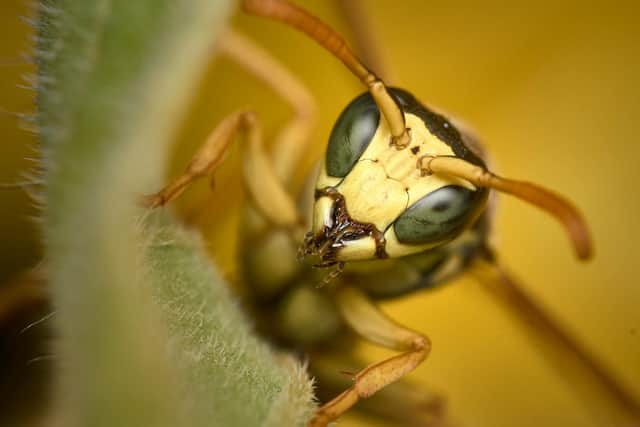

"As natural food sources decline, worker wasps are under pressure to find food, which makes them more aggressive and more likely to sting you," he adds.
To avoid wasps from spoiling your plans, James has shared his tips for warding off wasps using common and inexpensive household products.
Use a paper bag to trick wasps
"Wasps are highly territorial and won't build nests near existing colonies. Hanging brown paper bags around your garden creates the illusion of rival nests, making wasps avoid the area completely.”
This hack involves simply crumpling a brown paper lunch bag and hanging it in areas where wasps gather.
“The paper bag trick works because wasps mistake it for another colony's nest. They see the shape from a distance and instinctively avoid what they perceive as another wasp's territory. You can buy a brown paper bag for as little as 16p from Amazon, so it’s worth giving it a go.”
A homemade vinegar spray is an effective natural repellent
White vinegar can be used as a natural repellent against wasps and can be purchased for just 34p from Tesco or Aldi. The pest control expert recommends mixing equal parts white vinegar and water in a spray bottle.
"Spray this mixture around outdoor eating areas, particularly on tables and surfaces where food will be served. The acidic smell repels wasps, but leaves no lasting odour once it evaporates, making it perfect for food areas.”
"Reapplication every few hours maintains protection throughout longer gatherings, so keep the bottle on hand.”
The surprising food item that can deter wasps
Before throwing out leftover cucumber, use the peel as a natural wasp deterrent.
"Fresh cucumber peels contain acidic compounds that wasps find unpleasant. Placing the peel around your garden, on picnics or outdoor seating areas, creates a natural barrier that wasps actively avoid."
“Don't forget to swap out the cucumber peels every few hours as they dry out and lose potency.”
Coffee grounds deter persistent wasps
If you don’t often have a cucumber in the kitchen, the expert suggests placing small dishes of used coffee grounds in strategic locations around your outdoor space.
"Coffee grounds produce a strong smell that masks the scent of food and confuses wasps. Simply collect your used grounds from morning coffee and place them in small containers around eating areas."
“The grounds can later be added to garden soil as fertiliser, creating a zero-waste solution.”
Create a decoy food station to keep wasps away
"If you're hosting a gathering this bank holiday weekend, it may be best to place a small plate with sweet foods, such as jam or old fruit, at the far end of your garden before guests arrive. Wasps will be attracted to this designated feeding station rather than bothering your gathering."
“This simple diversion tactic draws on the natural food-seeking behaviour of wasps and diverts them away from you and your guests.”
James Copley, Director of Copley Pest Solutions, adds:
"Wasp prevention is the most effective way of warding off wasps, especially when natural repellents are used, as these cause no harm.
“It is important to remember that wasps play important roles in garden ecosystems by controlling other insect populations, including many garden pests, so avoiding harmful chemicals where possible is great.
"Swatting or aggressive movements can actually trigger wasps' defence response, which may lead to stings.
"Instead, these simple and cheap household solutions can help deter wasps, especially when you want to spend time in your garden this September. Many of these products may already be in your kitchen cupboard or can easily be purchased in your nearest supermarket."