
Black Friday shoppers warned over AI scams that are almost impossible to spot
Black Friday shoppers are being warned that AI-powered scams are becoming harder to spot, with fake retailer websites, bogus reviews and tempting discounts putting millions at risk.
Black Friday shoppers are being warned that increasingly sophisticated AI scams could leave them out of pocket, with criminals now able to create fake websites and reviews that look almost identical to the real thing.
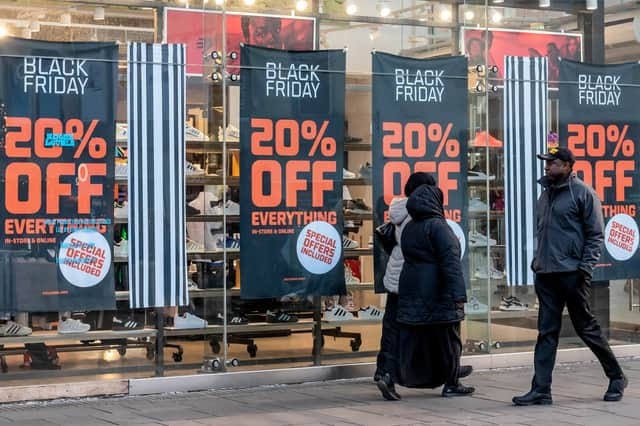

And millions of bargain hunters could be making themselves even easier targets by shopping while distracted by the television or scrolling through social media.
New research from Barclays reveals that one in five (21%) shoppers buy things online while doing something else, potentially missing crucial warning signs that a deal is a scam.
Even more worrying, just 36% of people bother checking whether a website is genuine before handing over their money.

With Black Friday falling on November 27, fraud experts fear the rush to grab discounts could provide criminals with a golden opportunity.
AI scams are getting harder to spot
Forget the badly written emails and suspicious-looking websites traditionally associated with online fraud.
Experts warn that artificial intelligence is helping criminals create convincing copies of major retailers, complete with professional designs, familiar logos and glowing customer reviews.
Three-quarters (76%) of shoppers believe AI has made scams more convincing, while just 34% feel confident they could spot one.
Dr Rasha Kassem, who leads the Fraud Research Group at Aston University, warned: “Traditional warning signs, such as spelling mistakes or poorly designed websites, are no longer reliable indicators of fraud.”
She added that even familiar brands could be impersonated, with criminals exploiting shoppers who are distracted or worried about missing a bargain.
The consequences can be costly. Victims may pay for products that never arrive, while fraudsters can also steal their bank card details.
The Black Friday trick designed to make you panic
Fraudsters are also exploiting one of Black Friday’s biggest selling tactics: urgency.
Countdown clocks, supposedly limited stock and enormous discounts can pressure shoppers into clicking ‘buy’ before checking who is actually taking their money.
Kirsty Adams, fraud and scams expert at Barclays, warned: “When you’re scrolling on the sofa and a countdown timer starts ticking, or a deal pops up in your feed from an account that looks just like a brand you trust, it’s easy to get swept up and pay before you’ve had a chance to check.”
She added: “No deal is worth rushing for.”
The bank’s research found that 34% of people have either been targeted by shopping scams, lost money themselves or know somebody who has.
And only one in ten shoppers is confident they will avoid being misled by a Black Friday or Cyber Monday scam.
How to avoid being caught out
Experts say shoppers should be particularly suspicious of unfamiliar websites advertising massive discounts on popular products.
Fake delivery messages, warnings about suspended accounts and demands to verify payments are other common tricks.
Dr Kassem recommends going directly to a retailer’s official app or typing its website address rather than following links in social media adverts or unexpected messages.
She also warns that the padlock symbol beside a website address does not guarantee the retailer is genuine.
Using a virtual payment card linked to a separate spending pot could help limit potential losses if card details are stolen, although it will not prevent payments to fraudulent retailers.
And Barclays has one particularly important warning: never pay by bank transfer to somebody you don’t know.
With Black Friday deals already appearing weeks before November 27, the message from fraud experts is clear: the biggest bargain on your screen could end up being the most expensive mistake you make.