
Mum reveals what’s inside her £50 ‘doomsday box’ as Brits prepare for blackout emergencies
From Dairy Milk to a wind-up radio, a mum reveals her £50 emergency survival kit as Brits are urged to prepare for blackouts, flooding and cyber attacks.
A mum has revealed the surprisingly ordinary contents of her £50 ‘doomsday box’ as millions of Brits are urged to prepare for a possible blackout, floods and other emergencies.
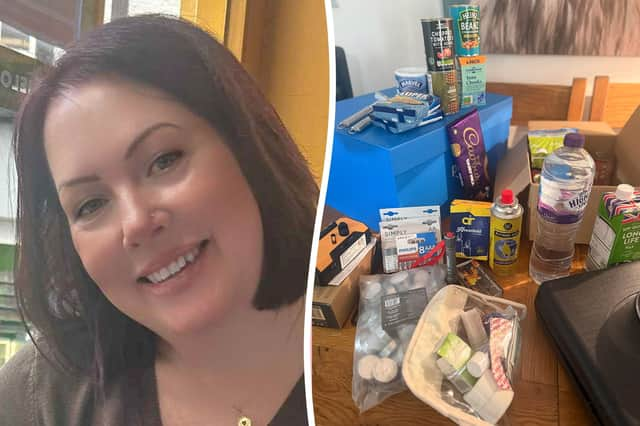

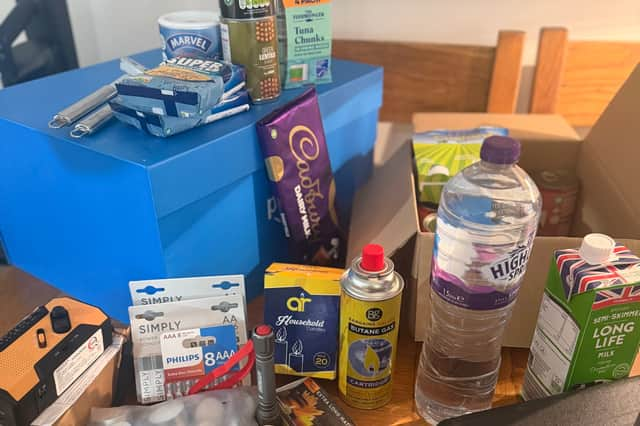
And alongside the wind-up radio, torches and batteries she has packed some rather British survival essentials – Dairy Milk chocolate, biscuits and tea bags.
Claire Helen, 53, started building her emergency stash in 2024, long before the Government launched its new ‘Be Ready’ campaign urging households to keep three days’ worth of supplies.
Her son George, 21, jokingly christened it the ‘doomsday box’, but Claire insists there is nothing extreme about being prepared.
Living near Abergavenny in Wales, where flooding can cut off roads, she knows how quickly everyday life can grind to a halt.
And with recent storms leaving thousands of UK homes without electricity, alongside growing concerns about cyber attacks disrupting essential services, she believes more families should follow suit.
Claire said: “Personally living in the area where we are it’s a very, very high risk flood area and we get cut off regularly.”
She initially spent £20 on a wind-up radio and torch, adding batteries, matches and other supplies before expanding her collection.
Her emergency cupboard also contains tinned beans, vegetables, fruit and lentils, while she keeps extra supplies for her dog, three cats and four guinea pigs.
And chocolate is non-negotiable.
“If it’s doomsday, you’re having chocolate,” she joked.

Claire estimates her basic emergency kit cost around £50, with another £20 to £30 spent on tinned food.
“We’re not going to be having things like smoked salmon or caviar in a power cut, we’ll be eating beans,” she said.
What’s inside Claire’s doomsday box?
- Wind-up radio, torch and spare batteries
- Charged power banks and phone cables
- First aid kit and essential medication
- Bottled water and tinned food
- Cash in notes and coins
- Toiletries, sanitiser and wet wipes
- Important documents and emergency numbers
- Warm clothing and blankets
- Pet food and supplies
- Chocolate, biscuits and tea bags
- Matches and lighter, safely stored
The Government’s ‘Be Ready’ campaign, launched on October 22, recommends keeping enough essentials for 72 hours, including three litres of drinking water per person per day.
Its advice follows major weather-related disruption, including Storm Goretti in January, which left tens of thousands of homes without power.
Households are also encouraged to keep cash in case payment systems fail and a battery-powered or wind-up radio for emergency updates.
Claire believes preparing gradually makes more sense than panic-buying.
“The more people are prepared it frees up the emergency services to get to those vulnerable people first,” she said.