
Brits stock up on emergency supplies as grocery inflation rises again
Sales of bottled water, tinned food and other emergency essentials have surged after the Government urged households to prepare for three days of disruption, as grocery inflation edged higher in October.
Grocery inflation has risen again as millions of Britons heed the Government’s call to stock up on emergency supplies, sending sales of bottled water, tinned food and other essentials soaring.
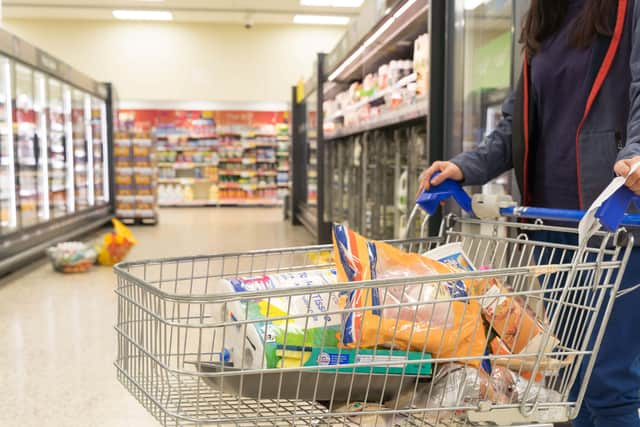

Supermarket prices are now 2.6% higher than a year ago, up from 2.5% last month, according to Worldpanel by Numerator, while households have responded in huge numbers to the Government’s new Be Ready campaign.
The campaign, launched on October 22, urges people to prepare for up to three days of disruption if emergencies knock out essential services such as electricity or water.
And the response at supermarket tills was immediate.
Sales of hand sanitiser shot up 83% in the following 10 days compared with the same period last year, bottled water jumped 67% and tinned and jarred food climbed 37%.
The number of people buying tinned meat each day also surged 43%, equivalent to an extra 400,000 shoppers a day.

The figures suggest huge numbers of households have started building emergency supplies after ministers urged families to make sure they could cope for 72 hours if normal services were disrupted.
The Government recommends keeping at least three litres of drinking water per person per day, meaning nine litres each for a three-day emergency.
Households are also encouraged to keep food that does not need cooking or refrigeration, including tinned meat, fish and vegetables, alongside dried fruit and nuts.
Its emergency checklist includes a torch and spare batteries, a battery or wind-up radio, charged power banks, essential medicines, first aid supplies, blankets and warm clothing.
People are also advised to keep some cash at home in case power or communications problems prevent card payments or cash machines from working.
A major power cut could affect more than household lights, with boilers, broadband and some mobile phone services potentially going down and water supplies also at risk of disruption.
Despite the dramatic surge in sales, analysts stressed there was no sign of panic buying.
Fraser McKevitt, head of retail and consumer insight at Worldpanel by Numerator, said: “Shoppers clearly took notice of the Be Ready campaign, but this wasn’t panic buying.”
He said the growth came from more households adding recommended items to their normal weekly shop rather than shoppers piling trolleys high.
Fewer than a third of households bought bottled water during October, while the typical amount of tinned meat purchased remained at around 500g.
That suggests Britons are gradually building emergency cupboards rather than stripping supermarket shelves.
The stock-up comes as household finances are under renewed pressure, with grocery inflation now moving upwards again and families already facing higher energy bills as colder weather sets in.