
Fake beauty warning after mercury found in face cream and lead in make-up
Shoppers are being warned about counterfeit cosmetics after tests found mercury in skincare, lead in make-up, nicotine in perfume and high levels of methanol.
Beauty shoppers are being warned about potentially dangerous fake cosmetics after tests found mercury, lead, nicotine and methanol in counterfeit products seized in the UK. Four in 10 counterfeit beauty products tested by Trading Standards contained potentially harmful substances.
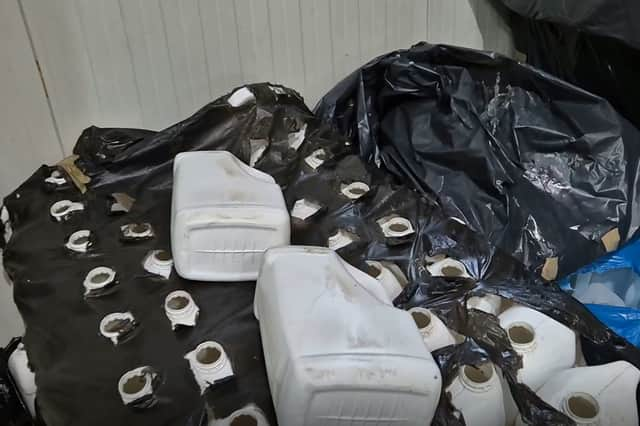

One skincare product contained 13,200 parts per million of mercury, while high levels of lead were discovered in counterfeit lipstick, eyeshadow and contour products. Nicotine was detected in perfume and one fake fragrance was found to be made up of around 80% methanol.
The findings have prompted a fresh warning to shoppers tempted by cheap versions of well-known beauty products, particularly those being sold online. Cosmetics, skincare and perfumes are now among the 10 types of counterfeit goods most commonly investigated by Trading Standards.
Concern is also growing about the number of younger consumers deliberately buying fakes. New research from the Intellectual Property Office found 20% of 18 to 24-year-olds who bought beauty products knowingly purchased counterfeit goods, compared with just 6% in 2023.
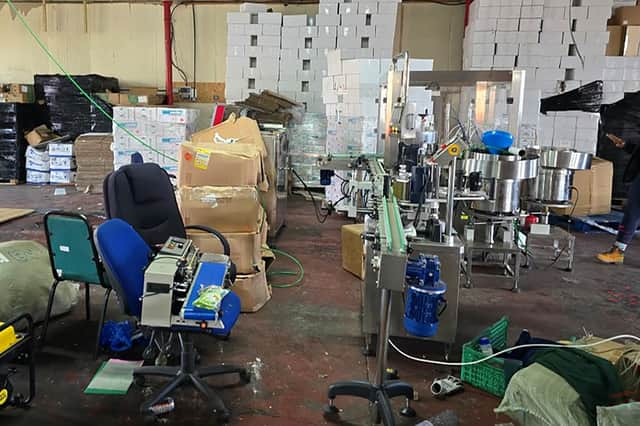
The scale of the illegal trade was highlighted in July when the Police Intellectual Property Crime Unit and Greater Manchester Police seized 1,666 suspected counterfeit hair products from a Manchester warehouse. The haul included hair extensions, shampoo and conditioners.
That followed a raid in Bolton where Trading Standards officers seized around £2 million worth of suspected counterfeit goods, including perfume and cosmetics. Other goods recovered included clothing and vapes.
Independent toxicologist Rani Ghosh warned that some of the dangers may not immediately be obvious to people using the products. She said: “When you hear that mercury has been found in face cream, lead in make-up or nicotine in perfume, it raises serious questions about what is going into these products and how they are being made.”
“Some reactions to unsafe cosmetics may be visible, such as irritation, swelling or changes to the skin. But what concerns me as a toxicologist is what you might not see.”
She added: “Substances such as mercury and lead can affect the body internally, and those effects may not be immediately obvious. Counterfeit beauty products can look incredibly convincing.”
The Intellectual Property Office has launched its Face the Fakes campaign alongside the beauty industry to warn consumers about the risks. The campaign is working with content creators and industry figures to encourage people to check where products are coming from before buying.
Helen Barnham, head of enforcement engagement at the IPO, said counterfeiters were exploiting the reputation of established brands while avoiding safety controls legitimate manufacturers must follow. She urged shoppers to check who is actually selling a product rather than relying solely on the name of an online marketplace or social media platform.
Dr Emma Meredith, director-general of the Cosmetic, Toiletry and Perfumery Association, said genuine cosmetics sold legally in the UK must meet strict requirements covering ingredients, manufacturing and safety assessments. Counterfeit products can bypass those safeguards entirely.
Shoppers are being advised to be suspicious of unusually cheap deals, check the seller carefully and use official brand websites, authorised sellers or established retailers where possible. Anyone who believes they have bought a counterfeit cosmetic is advised not to use it and to keep the product, packaging, receipt and seller details so concerns can be reported to Trading Standards.