
M25 turns 40: How Britain's busiest motorway transformed travel around London

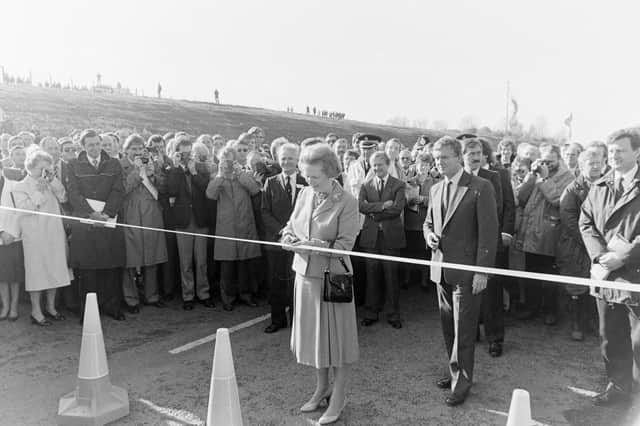
Margaret Thatcher opened the final stretch of the 117-mile London orbital in 1986, completing a £1 billion project that now carries around 150,000 vehicles a dayM25 turns 40: How Britain’s busiest motorway transformed travel around London
Britain's busiest motorway, the M25, is marking its 40th anniversary, four decades after Margaret Thatcher officially opened the final stretch of the road that transformed journeys around London.
The former prime minister cut the ribbon on the last 13-mile section of the 117-mile orbital motorway on October 29, 1986, completing a project that had taken more than a decade to build and cost almost £1 billion.
The M25 was designed to carry around 100,000 vehicles a day, but traffic has grown far beyond those original expectations, with around 150,000 vehicles now using the route daily.
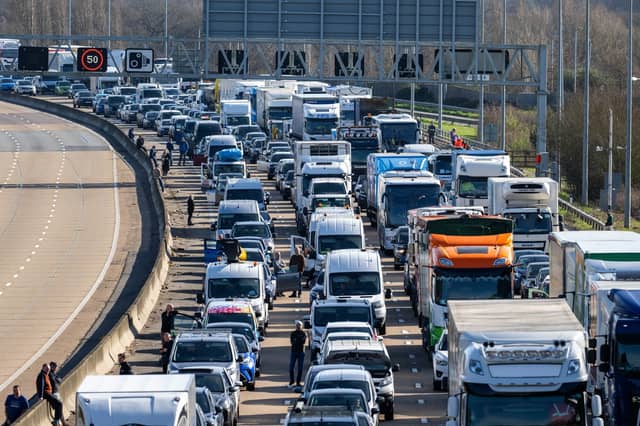
Often dubbed "Britain's biggest car park" because of its notorious congestion, the motorway remains a vital artery for the capital and the wider South East, carrying commuters, freight and long-distance traffic around London rather than through its busy centre.
The idea of building a road around the capital dates back much further than the motorway itself. A Royal Commission proposed an orbital route more than 80 years before the M25 was finally completed.
Construction began in stages, with the first section opening in September 1975. More than a decade later, the final link brought the entire route together, with the official opening ceremony taking place between London Colney and South Mimms in Hertfordshire.
The scale of the engineering project was immense. Building the motorway required more than two million tonnes of concrete, alongside extensive earthworks and the construction of bridges and junctions to connect it with the existing road network.
The completed route linked five counties around the capital, providing a major new corridor for businesses, motorists and the transport industry.
However, the road's popularity quickly created a problem. Traffic volumes have risen well beyond the levels anticipated by its original designers, leaving sections struggling to cope with the sheer number of vehicles.
Widening schemes have since increased capacity on parts of the M25, with some stretches expanded to six lanes in each direction.
Even with those improvements, congestion remains a familiar frustration for drivers, particularly during peak commuting periods and when accidents or breakdowns disrupt the flow of traffic.
Despite its reputation for delays, the M25 continues to play a central role in the economy of London and the South East, supporting the movement of goods and connecting major transport routes around one of the country's busiest regions.
Forty years after Thatcher opened its final section, the motorway remains one of Britain's most recognisable roads – and a reminder of how dramatically traffic and travel have changed since the 1980s.