
Blood Parliament: Why BBC's documentary does not credit production crew as Kenya cancels public screening

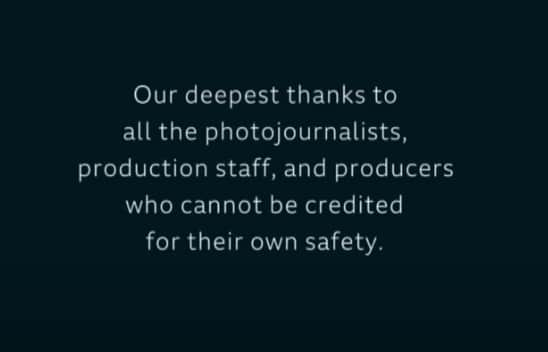
The new BBC Africa Eye documentary Blood Parliament has drawn intense online reactions after it ended with a chilling message explaining why no production team members were named.
In the closing credits, the film states: "Our deepest thanks to all the photojournalists, production staff, and producers who cannot be credited for their own safety."
The decision has unsettled many viewers. One person on X (formerly Twitter) wrote: "Ya'll realize how chilling this statement is?"

Blood Parliament, produced by BBC Africa Eye, investigates the fatal police shootings during the June 25, 2024, anti-tax protests in Nairobi, Kenya. The film reconstructs the events using more than 5,000 images and videos, identifying specific officers involved in the violence.
Among those named is Officer John Kaboi from Nairobi’s Central Police Station, who is shown mobilising colleagues during the deadly crackdown. The documentary also implicates a Kenya Defence Forces officer in the shooting of 26-year-old University of Nairobi student, Eric Shieni.

Originally scheduled for a public screening at Unseen Nairobi cinema on April 28, the event was abruptly cancelled following pressure from authorities. Nevertheless, Blood Parliament remains accessible on BBC Africa’s YouTube channel, where it has already attracted almost 3 million views.
In response to the film release, Homa Bay Town Member of Parliament Peter Kaluma called for the government to revoke the BBC’s operating licence, describing the documentary as "twisted, partial, reckless, and intended to incite chaos in Kenya." However, lawyer Willis Otieno publicly criticised Kaluma’s call, saying that the film was important in promoting accountability and transparency.
According to the Independent Policing Oversight Authority (IPOA), 22 investigations have been completed regarding the 60 deaths that occurred during the protests, though 36 cases remain under review. The IPOA cited non-cooperation from police officers and witnesses as major obstacles in progressing many of these cases.
Blood Parliament is part of BBC Africa Eye’s broader investigative series, which since 2018 has produced over 100 documentaries focusing on government accountability and human rights issues across Africa.
How can you watch Blood Parliament?
Blood Parliament is available for free viewing on BBC Africa’s YouTube channel.