
Mum thanks daughter, 11, for saving her life by spotting mole
A woman who was treated for skin cancer after her young daughter spotted a mole on her back as she stepped out of the shower, is urging people to enjoy the sun safely this summer.
Natasha Gowan, 43, was diagnosed with aggressive melanoma just two weeks after her daughter Maisy noticed a large mole on her back as she stepped out of the shower. Mum and daughter were getting ready for a football game when Maisy made the shock discovery. She told her mum she needed to get the mole seen urgently.
The mum-of-two, from Leigh on Sea, Essex, called her GP at once and was referred to her local hospital where doctors said she required surgery and immunotherapy immediately.
Natasha said: "It was a Saturday morning, and we were just getting ready for Maisy's football. I popped into the shower and when I came out I wrapped a towel around me. Where the mole is positioned, it is almost impossible for me to see, but Maisy immediately spotted it and said, 'wow mum your mole has really grown'. I grabbed a mirror and I could see the mole had changed substantially and grown. I was later told it was 6.3 millimetres which is very large.
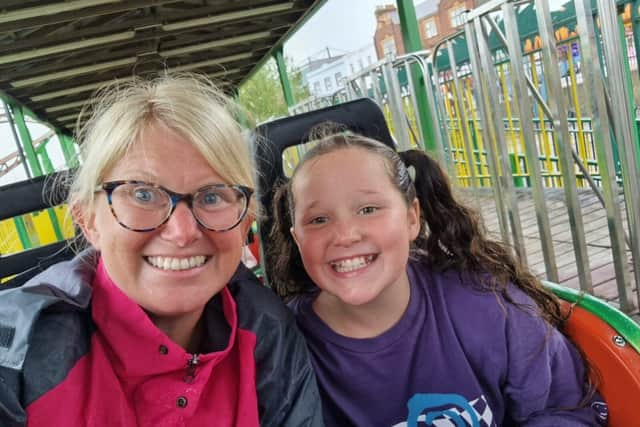

Natasha and Maisy are sharing their story to help raise awareness as they urge people to enjoy the sun safely this summer. The call from the Essex family comes as latest analysis by Cancer Research UK reveals melanoma skin cancer rates have increased by almost a third over the past decade* with a projected record high of 20,800 cases this year in the UK.**
Natasha is convinced her daughter saved her life, she added: "Without Maisy spotting my mole who knows what would have happened. They size it by thickness and 4mm is the highest stage. I've had my results and unfortunately, it's spread to my lymph nodes. It's still treatable, but more intense treatment."
Maisy added: "The mole was big and purple, and I was pleased mum got it checked quickly as I was worried."
Natasha, who has fair hair and blue eyes, said she always enjoyed the sunshine but never got burnt. Researchers found that around 17,000 UK melanoma cases every year are preventable, with almost 9 in 10 caused by too much ultraviolet (UV) radiation from the sun and sunbeds.***
It’s these alarming figures that are driving the mum of-two to join forces with the charity and NIVEA SUN to share advice and tips on how people can protect their skin from the sun.
Natasha continued: “Given the great British weather, it’s natural to want to make the most of warmer days but I’m urging people to be prepared and take care. Now I always try and spend some time out of the sun, wear a hat and sunglasses, make sure my shoulders are covered and that I’ve got my sunscreen with me at all times.”
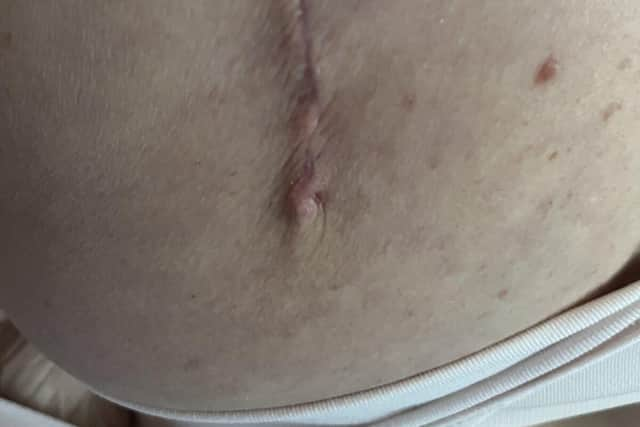
After her own diagnosis and treatment Natasha understands the devastation of a skin cancer diagnosis all too well. The teaching assistant had a general anaesthetic to remove her mole, which left her with a 10cm scar, and also biopsies taken from her lymph nodes to check if the cancer has spread.
With around 1,700 people in the East of England currently diagnosed with melanoma – the most serious form of skin cancer - every year,**** Natasha is passionate about raising vital awareness.
She said: “Being diagnosed with skin cancer was a huge shock and a very difficult time for me. As a family we went through so much, and that’s why I’m sharing my story to help spare others from similar heartache.
“I hope I can encourage people to think about their sun habits and take precautions. It’s so important, when so many skin cancer cases could be prevented by being safe in the sun and using a combination of shade, clothing and sunscreen to avoid burning.”
Cancer Research UK and NIVEA SUN recommend the following when the sun is strong:
Seek Shade - Especially between 11am and 3pm in the UK. Take a break under trees, umbrellas, and canopies, or go indoors.
Cover Up – With clothes that cover your shoulders, a wide-brimmed hat and UV protection sunglasses. The more skin that’s covered by your clothing, the better the protection.
Apply Sunscreen Regularly – With at least SPF 30 and 4 or 5 stars. Make sure to reapply it regularly and generously, especially after swimming, sweating, or towelling.
After her emotional cancer journey, Natasha sticks to these simple steps and says it really is “easy as 1,2,3.”
Anyone can get sunburnt or develop skin cancer, but those at higher risk include people with lighter skin tones and naturally light-coloured hair or eyes, as well as people with lots of moles and freckles, or a family history of skin cancer.
And when it comes to signs and symptoms of the disease, it’s not just changes to a mole or freckle that matter, it could be a sore that doesn’t heal, a lump, an ulcer, or a patch of skin that’s changed colour. Any unusual changes to an area of people’s skin should be seen by a doctor.*****
Cancer Research UK Health Information Manager, Beth Vincent, said: “Getting sunburnt just once every two years can triple the risk of developing skin cancer, compared to never being burnt. So, we’re grateful to Natasha for lending her voice to our campaign with NIVEA SUN.
“Even on a cloudy day, the sun can be strong enough in Essex- and across the UK - to burn between mid-March and mid-October. Avoid getting caught out by checking the UV index on the weather forecast or online. If it’s 3 (moderate) or above, it’s time to think about sun safety.
“Whatever your skin tone, whether you’re abroad, having a staycation or just out-and-about, remember the three-step method to enjoy warm weather safely: seek shade, cover up and apply sunscreen regularly.”
For more skin cancer information and sun safety tips visit cruk.org/sunsafety
For further information about Cancer Research UK's work or to find out how to support the charity, call 0300 123 1022 or visit www.cancerresearchuk.org.