
TMJ Disorders in Teens: Causes and treatments
The temporomandibular joint (TMJ) is a vital structure in the body, connecting the jawbone to the skull and enabling essential functions like chewing, speaking, and opening the mouth. TMJ disorders, often referred to as TMD, can disrupt these activities, causing discomfort and reduced quality of life. While TMJ issues are commonly associated with adults, they can significantly impact teenagers as well. TMJ disorders in teens are becoming a growing concern due to factors like stress, poor posture, and habits such as clenching and grinding.
Understanding TMJ Disorders in Teens


What Are TMJ Disorders?
TMJ disorders differ from the joint itself, which is responsible for enabling jaw movement. TMD encompasses various dysfunctions that can result in pain or improper joint function. Symptoms often seen in teenagers include jaw pain, especially near the ears, clicking or popping sounds during movement, and frequent tension headaches.
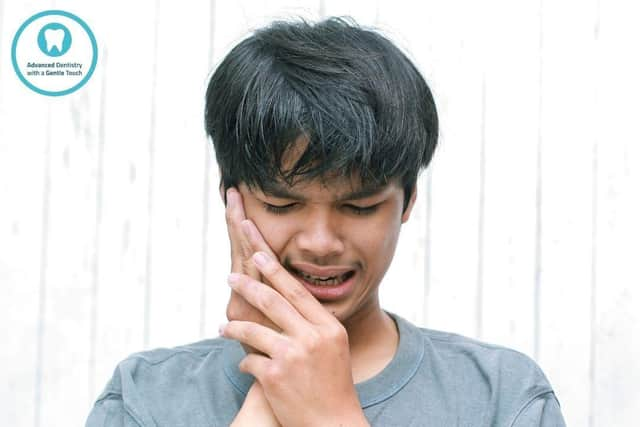
Teens with TMD may also struggle with chewing, experience jaw locking, or feel discomfort when opening their mouths widely. These symptoms can affect their ability to eat, speak, or focus on daily activities.
Why Are Teens Prone to TMJ Disorders?
Teenagers are especially vulnerable to TMJ disorders due to unique factors like hormonal changes during puberty and rapid physical growth. Orthodontic treatments, such as braces or aligners, can also place stress on the jaw, increasing the risk of TMD.
Additionally, common teenage habits, such as chewing gum excessively, clenching or grinding teeth, and maintaining poor posture while using phones or devices, can strain the temporomandibular joint. These behaviours and physiological changes make early recognition and management of TMD crucial for maintaining jaw health.

Causes of TMJ Disorders in Teens
TMJ disorders in teens arise from a combination of physical, behavioural, and hormonal factors, making early detection essential.
Physical Causes
Physical factors play a significant role in TMJ disorders. Dental misalignment, such as an uneven bite, can place undue stress on the jaw joint. Orthodontic treatments, including braces or aligners, while correcting alignment issues, may temporarily strain the temporomandibular joint (TMJ). Additionally, injuries from sports or accidents, common in teens, can cause trauma to the jaw, leading to TMJ pain and dysfunction.

Genetic predispositions also contribute to TMD in some cases. If a teen has a family history of arthritis or jaw problems, they may be at greater risk. Conditions like juvenile arthritis can directly impact the joint, causing inflammation, stiffness, and discomfort.
Behavioural and Lifestyle Causes
Teen behaviours and habits often exacerbate TMJ disorders. Teeth grinding and clenching, whether due to stress or unawareness during sleep, put excessive pressure on the jaw. Other habits like nail-biting or excessive gum chewing can strain the jaw muscles, leading to TMJ pain and locking.
Stress and anxiety, prevalent during adolescence, are common contributors to clenching and jaw muscle tension. Poor posture from extended screen time, often referred to as "tech neck," adds additional strain to the TMJ and surrounding muscles, worsening symptoms over time.

The Role of Hormonal Changes
Hormonal fluctuations during puberty can also impact the TMJ. Changes in hormone levels, especially in females, may influence joint health, increasing the likelihood of inflammation or discomfort.
These shifts can exacerbate TMJ disorder symptoms, such as jaw pain or difficulty opening the mouth. By understanding these diverse causes, parents and teens can take steps to address the underlying issues and manage TMJ disorders effectively.
Diagnosing TMJ Disorders in Teens
Early diagnosis of TMJ disorders in teens is crucial to prevent long-term complications and ensure effective treatment.
Recognizing the Symptoms
Parents and teens should be aware of key TMJ symptoms that may indicate a disorder. Common signs include jaw locking, headaches, and pain near the ears, which can disrupt daily activities. Teens may also experience jaw clicking or popping, difficulty chewing, or persistent jaw pain, especially on one side.
Recognizing these symptoms early is vital, as untreated TMJ disorders can worsen over time, leading to chronic pain or restricted jaw movement. Teens experiencing these issues should seek professional evaluation to address the problem before it escalates.
Diagnostic Tools and Approaches
Healthcare providers use various tools and methods to diagnose TMJ disorders accurately. A clinical evaluation often begins with a physical examination to check for tenderness, swelling, or unusual jaw movement. Reviewing a teen's medical and dental history can provide insights into habits like teeth grinding or prior injuries.
Imaging tests, such as X-rays or MRIs, are commonly used to assess the joint's structure and surrounding tissues. X-rays can reveal misalignments or arthritis, while MRIs offer detailed views of the cartilage and muscles involved. These diagnostic approaches enable precise identification of TMJ disorders, paving the way for effective treatment.
Treatment Options for TMJ Disorders in Teens
Treating TMJ disorders in teens often requires a combination of lifestyle changes, professional interventions, and, in rare cases, surgery.
Non-Surgical Treatments
Non-surgical treatments are often the first line of defence for TMJ disorders. Lifestyle modifications play a key role in relieving symptoms. Teens are encouraged to avoid hard or chewy foods, limit gum chewing, and adopt stress management techniques to reduce jaw tension.
Dental appliances, like night guards, can prevent teeth grinding and protect the temporomandibular joint (TMJ) from further strain. These custom devices are particularly effective for teens who clench or grind their teeth during sleep. Physical therapy exercises, such as gentle jaw stretches and strengthening routines, can also improve alignment and enhance jaw mobility.
Medical and Professional Interventions
When lifestyle changes are not enough, medical treatments may be necessary. Orthodontic interventions, such as braces or aligners, can correct misaligned teeth and reduce stress on the TMJ. These treatments address the root causes of TMJ pain, especially in teens with dental misalignment.
Medications like muscle relaxers or anti-inflammatory drugs can help manage symptoms, reducing pain and inflammation. In some cases, a healthcare provider may recommend combining these medications with other therapies for optimal results.
Surgical Treatments (Only When Necessary)Surgery is typically reserved for severe TMJ disorders that do not respond to other treatments. Minimally invasive procedures, such as arthroscopy, involve using a small camera to diagnose and treat joint problems.
While effective, surgical interventions are a last resort and are rarely needed for teens. Most TMJ issues in teens can be managed without surgery, ensuring minimal disruption to their daily lives. With timely treatment, teens can achieve pain-free and functional jaw movement.
Preventing TMJ Disorders in Teens
Preventing TMJ disorders in teens begins with adopting healthy habits and recognizing early signs of potential issues.
Healthy Habits
Encouraging teens to develop healthy habits is essential for preventing TMJ disorders. Maintaining good posture, especially while using devices, reduces strain on the jaw and neck. Limiting gum chewing and avoiding hard or chewy foods can also help prevent unnecessary pressure on the temporomandibular joint (TMJ).
Using supportive pillows or ergonomic setups, particularly for sleep and study, ensures proper neck and jaw alignment. Stress management techniques, such as deep breathing or mindfulness, can reduce clenching and grinding, common triggers for TMD symptoms.
Importance of Early Intervention
Regular dental check-ups and orthodontic evaluations are vital for identifying and addressing TMJ issues early. Dentists can monitor bite alignment and look for signs of teeth grinding or jaw tension. Parents should stay vigilant for symptoms such as jaw pain, locking, or frequent headaches.
Early intervention allows for timely treatment, preventing TMJ disorders from worsening and ensuring teens can maintain healthy jaw function. Taking proactive steps today can save teens from discomfort and complications in the future.
Conclusion
TMJ disorders in teens can significantly impact their daily lives, from eating and speaking to sleeping and social interactions. Understanding the causes, including physical, behavioral, and hormonal factors, is essential for early recognition and effective treatment. With a variety of non-surgical options, such as lifestyle changes, dental appliances, and physical therapy, most cases can be managed successfully without invasive procedures.
Ongoing research into temporomandibular joint (TMJ) disorders offers hope for more advanced and non-invasive treatment methods tailored to young individuals. Preventive approaches, such as stress management and proper posture, are becoming central to maintaining jaw health and minimizing the risk of TMD. These developments promise a brighter future for teens affected by TMJ disorders.
If your teen exhibits symptoms such as jaw pain, locking, or difficulty chewing, seeking a professional evaluation is essential. Early diagnosis and intervention can prevent long-term complications and improve their quality of life. Encourage your teen to adopt healthy habits, such as avoiding gum chewing and managing stress, to support their jaw health. Proactive care today ensures a pain-free future and promotes overall well-being.