
Meningitis and septicaemia outbreak at University of Kent leaves two dead

A school pupil and university student have died following a meningitis and septicaemia outbreak.
An outbreak of an invasive” disease causing meningitis and septicaemia has broken out at a university leaving two dead. The UK Health Security Agency (UKHSA) said it was notified of 13 cases with signs and symptoms of meningitis and septicaemia from Friday to Sunday (March 13-15) in the Canterbury area of Kent.
Two people are known to have died, one confirmed to have been a student at the University of Kent and another a Year 13 pupil at Queen Elizabeth’s Grammar School in Faversham.
A University of Kent spokesperson said: “We are deeply saddened to confirm that one student from the University of Kent has died following a case of invasive meningitis. Our thoughts are with the student’s family, friends and the wider university community at this extremely difficult time.
“The safety of our students and staff remains our highest priority. We are working closely with public health teams and are in touch with staff and students to ensure they get the advice and support they need.”
The UKHSA and the NHS are arranging antibiotics for some students at the University of Kent following a number of cases of invasive meningococcal disease although the specific strain has not yet been identified. The UKHSA added that specialists are interviewing affected individuals and their families to “help identify all close contacts and arrange antibiotics to limit spread”.
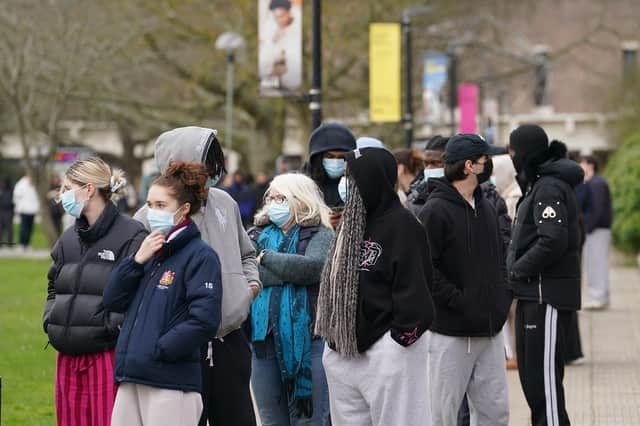

Trish Mannes, UKHSA regional deputy director for the South East, said: “Students and staff will understandably be feeling worried about the risk of further cases; however, we would like to reassure them that close contacts of cases have been given antibiotics as a precautionary measure. Advice and support is being offered to the wider student community, and to local hospitals and NHS 111, and we’re monitoring the situation closely.
“Meningococcal disease can progress rapidly, so it’s essential that students and staff are alert to the signs and symptoms of meningococcal meningitis and septicaemia, which can include a fever, headache, rapid breathing, drowsiness, shivering, vomiting and cold hands and feet. Septicaemia can also cause a characteristic rash that does not fade when pressed against a glass.
“Students are particularly at risk of missing the early warning signs of meningitis because they can be easily confused with other illnesses such as a bad cold, flu or even a hangover. That’s why it’s vital that, if a friend goes to bed unwell, you check on them regularly and don’t hesitate to seek medical help by contacting their GP or calling NHS 111 if they have these symptoms or you’re concerned about them. This could save their life.”
Tom Nutt, chief executive of Meningitis Now, said: “We are deeply saddened to hear of the deaths of two young people following the reported outbreak of meningitis linked to the University of Kent. Meningitis can progress very quickly and its impact is devastating, particularly for young people and their loved ones.
“University students and young adults are among the groups at increased risk because meningitis bacteria can spread more easily in settings where people live, study and socialise closely together. We urge students, staff and families to remain vigilant for the signs and symptoms of meningitis.”