
What is the difference between LVT and laminate flooring?
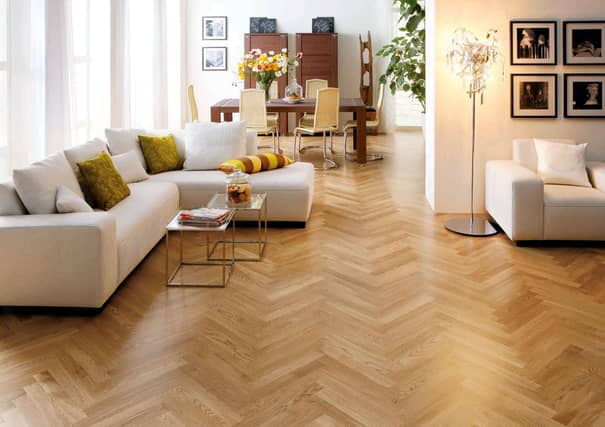

When it comes to choosing flooring for a modern home, two of the most popular options are luxury vinyl tile (LVT) and laminate. Both provide stylish, cost-effective alternatives to traditional hardwood or stone and both are known for their durability and aesthetic appeal. Despite their similarities in appearance, these two flooring types differ significantly in terms of construction, performance and suitability for specific environments.
In this article, we’ll explore the key differences between these flooring types, helping you make an informed decision based on your lifestyle, interior design goals and budget.
Construction and Materials
The primary difference between the two products lies in how they’re made.
Laminate flooring is composed of multiple layers. At its core is high-density fiberboard (HDF), which provides structural stability. On top of this is a photographic layer that mimics wood or stone, followed by a protective wear layer that resists scratches and stains. The base layer often contains additional backing to provide moisture resistance and sound insulation.
Luxury vinyl tile (LVT), is made from synthetic materials, primarily PVC (polyvinyl chloride). It’s composed of multiple layers as well, including a rigid or flexible core, a photographic design layer, and a tough wear layer that protects against daily wear and moisture. Because LVT is made entirely of plastic-based materials, it tends to be fully waterproof, a key benefit in moisture-prone areas.
Appearance and Design Options
Both products are designed to mimic the look of natural materials like wood, stone, and ceramic. Thanks to modern printing technology, they can offer incredibly realistic finishes.
Laminate has come a long way in recent years in terms of visual depth and texture. Embossed and hand-scraped surfaces can add authenticity, giving it the look and feel of hardwood at a fraction of the cost. However, because its photographic layer is limited to a printed image, patterns may repeat more often over large areas.
LVT also excels in realistic designs, particularly when it comes to tile and stone effects. Some ranges offer textured surfaces and bevelled edges, which add depth and a more natural look. Since it’s available in both tile and plank formats, it can be arranged in various laying patterns such as herringbone, straight plank or chevron.
Water Resistance and Durability
One of the most important considerations when choosing a floor is how it handles water exposure.
LVT is a standout in this area, its PVC composition makes it fully waterproof, meaning it can be used in kitchens, bathrooms, utility rooms and even basements without concern. It’s also highly resistant to scratches, dents and wear, making it suitable for high-traffic areas or homes with pets and children.
Laminate, while often described as water-resistant, is not fully waterproof. The HDF core can swell or warp if exposed to standing water or high humidity for prolonged periods. Some manufacturers have introduced water-resistant laminate ranges, which feature improved sealing and tighter locking mechanisms, but caution is still advised in wet environments.
In terms of daily wear and tear, both types hold up well. Laminate flooring is particularly scratch-resistant due to its hard outer coating, which makes it a solid choice for living rooms, bedrooms, and hallways.
Installation Methods
Another key difference between the two lies in their installation methods.
Laminate typically uses a floating floor system with a click-lock mechanism, allowing planks to be fitted together without glue or nails. It requires an underlay to provide sound absorption and moisture protection. This method is DIY-friendly and often quicker to install.
LVT can also come in click-fit formats, making it similarly easy to install. However, it’s also available in glue-down and loose lay formats, offering more options depending on the room and subfloor. Glue down installations offer superior stability and are often preferred for commercial settings or custom layouts.
Subfloor preparation is important for both flooring types. A smooth, level base is essential to ensure long-term performance and to avoid visible imperfections under the floor.
Comfort and Acoustics
When it comes to how the floor feels underfoot, both options offer good comfort, but there are subtle differences.
Laminate flooring can feel firmer, particularly when installed without a high quality underlay. It can also be slightly louder when walked on, producing a “hollow” sound that may require acoustic underlays in upper floors or apartment buildings.
LVT on the other hand, tends to be softer and quieter underfoot. Its layered construction provides a more cushioned feel, and some products come with integrated underlay to enhance both comfort and sound insulation.
In rooms where people stand or walk frequently, such as kitchens, LVT may offer more underfoot comfort over longer periods.
Maintenance and Cleaning
Daily upkeep is another important consideration, especially for busy households.
Laminate requires only routine sweeping or vacuuming and occasional damp mopping. However, it’s important to avoid excess water, as it can seep into joints and damage the core. Spills should be cleaned up quickly and steam mops are generally not recommended.
LVT is low-maintenance and more forgiving of water. It can be mopped with warm water and a PH neutral detergent, it stands up well to daily messes and spills. This makes it an excellent choice for households with pets, kids, or in areas like entryways and boot-rooms.
Cost and Lifespan
In terms of price, both flooring types fall into the affordable to mid-range category, making them accessible alternatives to hardwood or stone. The total cost will depend on the product range, installation method and room size.
Laminate tends to be slightly less expensive upfront, especially in DIY-friendly formats. That said, its limited water resistance and shorter lifespan may make it less economical over time in certain environments.
LVT may come with a higher initial price but often provides better long-term value due to its water resistance, durability, and low maintenance requirements. Warranties on LVT products can range from 15 to 30 years, depending on brand and usage.
Which One Should You Choose?
Choosing between these two flooring types ultimately depends on your specific needs and where you plan to install them.
- For moisture prone areas, such as kitchens or bathrooms, LVT is the safer and more durable choice.
- For budget conscious projects in dry areas like bedrooms or hallways, laminate offers excellent value and style.
- For easy installation, both offer click-fit options, but laminate’s floating system is especially DIY-friendly.
- For comfort and sound absorption, LVT has a slight edge, especially in busy, multi-use spaces.
Conclusion
While both LVT and laminate offer stylish, affordable and practical flooring solutions, their differences lie in how they perform under specific conditions. LVT is unbeatable in terms of water resistance and softness underfoot, making it a great fit for bathrooms and kitchens. Laminate remains a popular choice for dry living areas, offering impressive visuals and easy installation at a lower cost.
By understanding your space, priorities, and preferences, you can choose the flooring that not only suits your style but also stands up to the demands of daily life.