
Bloody Sunday 50th anniversary: who were the victims killed in Derry 1972 during the civil rights protest?

30th January 2022 marks 50 years since Bloody Sunday, which claimed the lives of 14 victims - who were they?
On Sunday 30th January 1972, 13 people were shot dead by the British army’s Parachute Regiment during a civil rights protest.
Around 15,000 people joined the demonstration in Derry against a new law introduced five months before, giving British authorities the power to imprison people without trial.
Many were injured as the violence escalated, with one man, John Johnston, 59, dying in hospital four months later from his injuries after he was shot twice by soldiers.
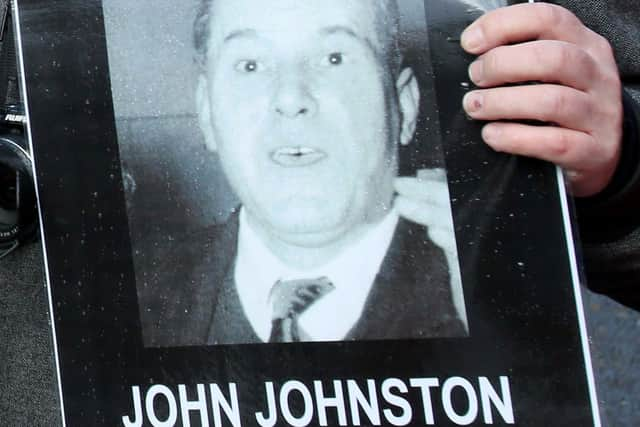

Here are the 13 victims shot dead on Bloody Sunday:
Who were the victims?
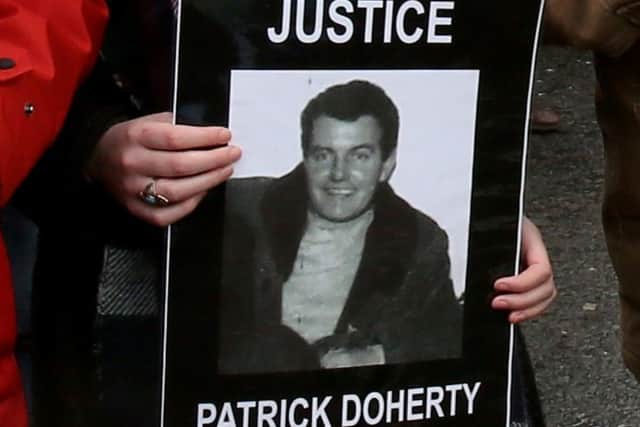
Patrick Doherty
Married father-of-six Patrick Doherty was 31 years old when he joined the march.
He was an active member of the Northern Ireland Civil Rights Association and died while he was trying to crawl to safety.
The Saville Report, a re-examination of the events of Bloody Sunday published in 2010, said Mr Doherty was unarmed and there was “no doubt” he was shot by Soldier F, who changed his story over the years.
Gerald Donaghey
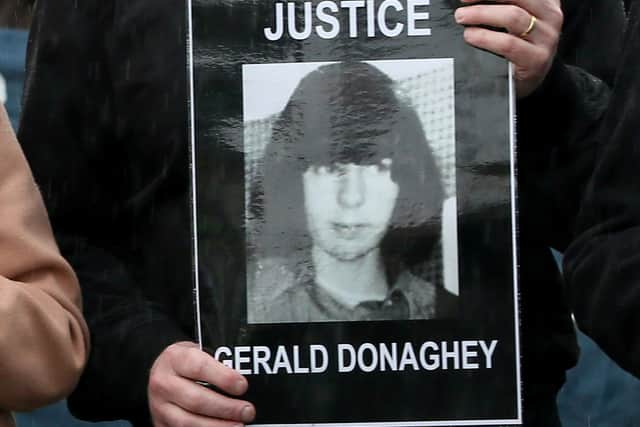
The 17 year-old Gerald Donaghey was a member of the IRA’s youth wing, Fianna na Éireann.
He was shot in the abdomen while running between Glenfada Park and Abbey Park.
A police photograph taken shortly after he was pronounced dead showed a nail-bomb in his pocket and a soldier confirmed he had found four nail-bombs among his clothing.
The Saville Inquiry heard that neither the soldier who first examined Mr Donaghey nor the Army medical officer who received him at an aid post found anything suspicious.
Saville found the nail-bombs were "probably" on Mr Donaghey but said he was not preparing to throw them at the time nor was he shot because he was carrying them.
The report said he was shot by Soldier G while trying to escape from the soldiers.
John Duddy
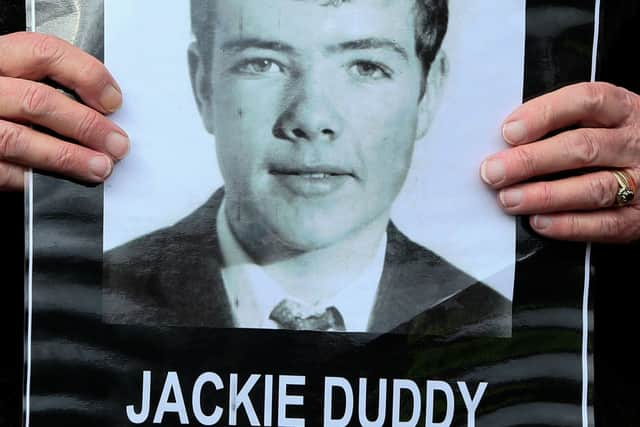
The 17-year-old boxer, known as Jackie, is thought to have been the first killed.
He represented his club across Ireland and in Liverpool.
He had attended the march "for the craic" with his friends and against his father’s advice.
The teenager was running away when he was shot in the chest in the car park of Rossville Flats.
The Saville report concluded he was unarmed and "probably" shot by Soldier R, as he ran away from soldiers.
Hugh Gilmour
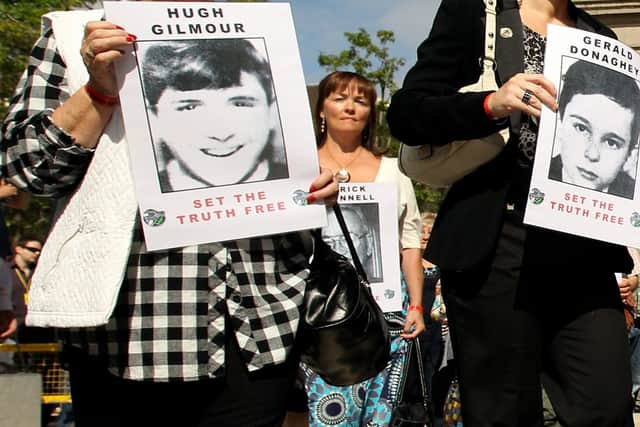
The 17-year-old was a trainee tyre fitter, shot as he was running away from the soldiers in a crowd of up to 50 people.
He was a talented footballer and avid Liverpool fan.
Saville said Mr Gilmour was unarmed and Soldier U had fired at him as he ran away from the soldiers.
Michael Kelly
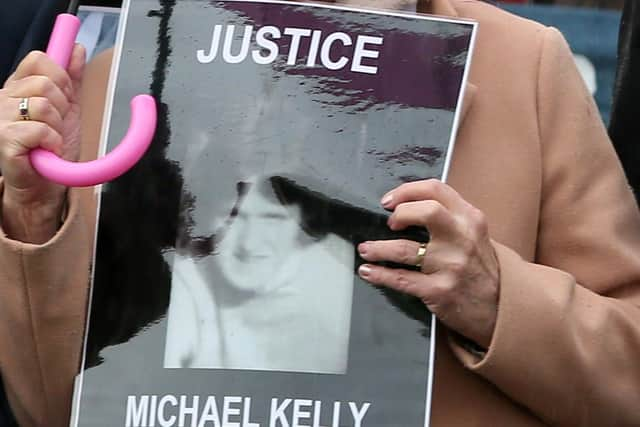
The 17-year-old had been training to be a sewing machine mechanic and the march was his first taste of the civil rights movement.
He went, his family said, because his friends were going.
He was shot in the stomach near a barricade by a soldier crouched some 80 yards away.
At Saville, Soldier F admitted that he had shot Michael Kelly - but said that he had only fired at people with bombs or weapons.
However, the inquiry concluded Mr Kelly was not armed.
Michael McDaid
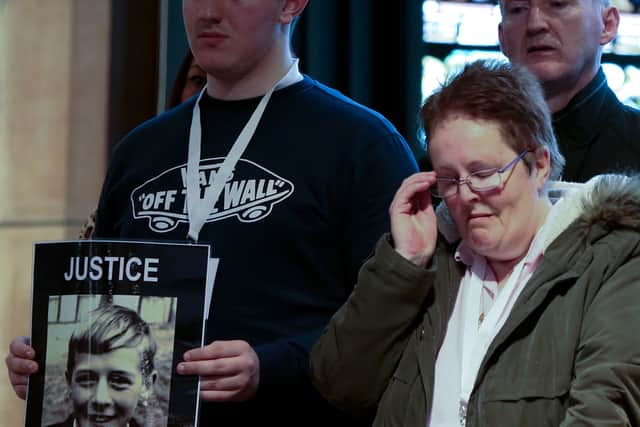
The 20-year-old worked as a barman. He was arrested but then escaped out of the back of an Army vehicle.
He was then shot in the face near a barricade.
Saville concluded that Mr McDaid was unarmed and he was shot by either Soldier P, Soldier J or Soldier E.
Kevin McElhinney
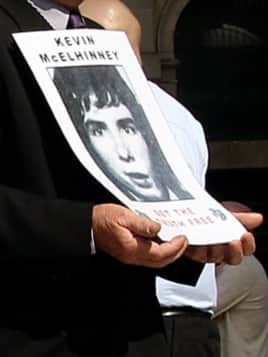
The 17-year-old was described as a hardworking supermarket employee.
He was shot from behind as he crawled towards Rossville Flats.
Saville said Soldier L or Soldier M shot Mr McElhinney, who was "unarmed", as he crawled away from the soldiers.
It suggests they probably did so on the orders of senior officers.
Bernard McGuigan
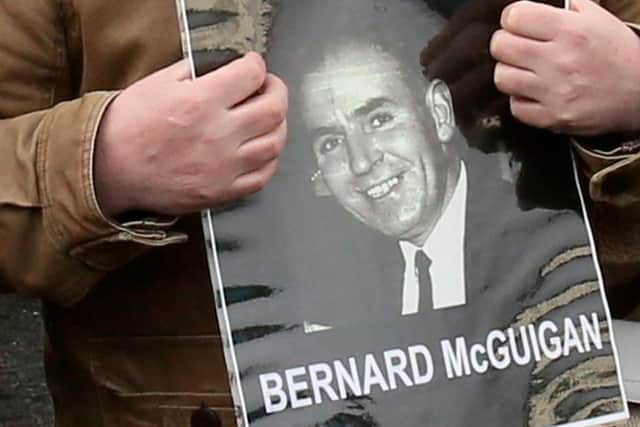
Forty-one-year-old Bernard McGuigan was a married man with six children working as a factory worker.
He was shot as he went to the aid of Patrick Doherty.
Mr McGuigan was waving a white handkerchief as a single bullet struck the back of his head.
Saville found there was "no doubt" Soldier F had shot an unarmed Mr McGuigan.
Gerard McKinney
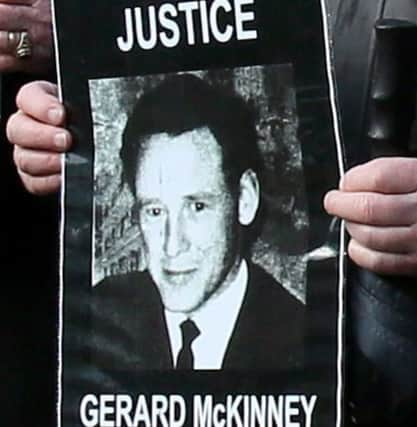
A father-of-eight, Mr McKinney managed a junior soccer team and ran the city’s Ritz roller-skating rink.
The 35-year-old was running close behind Gerald Donaghey in Abbey Park when the bullet that killed both of them hit him first.
The Saville Report concluded Soldier G, a private, shot an "unarmed" Mr McKinney.
That bullet passed through him before hitting another victim, Gerald Donaghey.
William McKinney
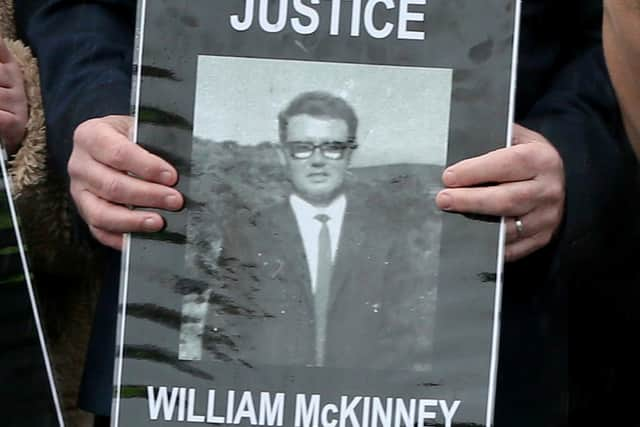
A printer at the Derry Journal newspaper, the 27-year-old was was engaged to be married. He was not related to Gerard McKinney
He had set out to film the Bloody Sunday march on a camera he had received as a Christmas present.
He was in a group and was shot in the back as he ran for cover.
Saville said there were four soldiers - E, F, G or H - who could have fired at Mr McKinney and another victim, Jim Wray.
Up to five more people were injured by the same group of soldiers.
All four soldiers insisted they had shot at people carrying bombs or firearms - claims rejected by Saville.
On 2 July 2021, it was announced the prosecution of Soldier F would not continue.
Reviews of the cases were prompted by the collapse of the trial in Belfast of two other veterans for Troubles-era offences.
William Nash
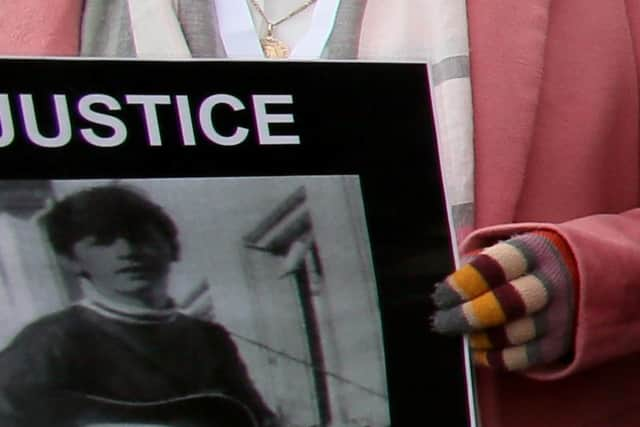
The 19-year-old dock worker was the brother of Olympic boxer Charlie Nash.
Mr Nash was shot in the chest near a barricade.
Alexander Nash saw his son being shot and went to help him, and was then shot himself.
Saville concluded that shots fired by Soldier P, Soldier J and Soldier E, caused the deaths of William Nash, as well as victims Michael McDaid and John Young.
The inquiry rejected claims that the three soldiers fired because the men were armed.
James Wray
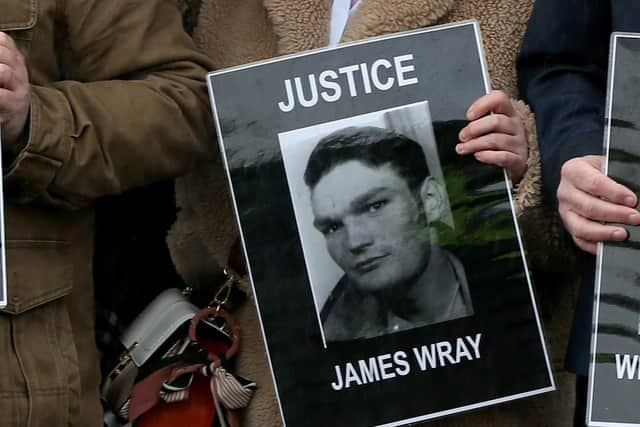
The 22-year-old had worked in England for some time and was engaged to an English girl.
He worked in a city bar and dancehall at weekends.
His entire family had attended the march after going to Mass together.
Saville said Mr Wray, who posed no great danger, was shot twice in the back and there were four soldiers who could have fired at him - soldiers E, F, G or H.
The second shot was probably fired as he lay wounded, said Saville, meaning there could have been "no possible justification".
John Young
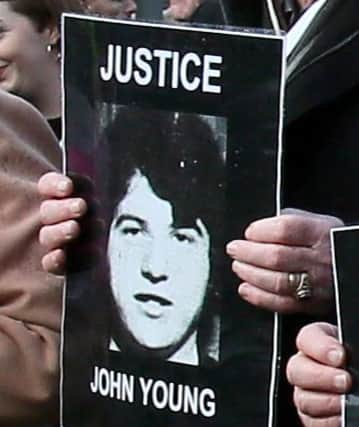
The 17-year-old worked in a menswear shop and was shot near a barricade as he tried to take cover.
Saville concluded John Young was killed in the same shooting incident that claimed the lives of William Nash and Michael McDaid.
He also said he was unarmed and shot by soldiers P, J or E.
A message from the editor:
Thank you for reading. NationalWorld is a new national news brand, produced by a team of journalists, editors, video producers and designers who live and work across the UK. Find out more about who’s who in the team, and our editorial values. We want to start a community among our readers, so please follow us on Facebook, Twitter and Instagram, and keep the conversation going. You can also sign up to our email newsletters and get a curated selection of our best reads to your inbox every day.