
Strait of Hormuz: Prime Minister Sir Keir Starmer planning military mission to re-open route - but not before US-Israeli action against Iran ends

The Prime Minister, Sr Keir Starmer, has said Britain and France are making plans to re-open the Strait of Hormuz - but not before US and Israeli action against Iran ends.
UK forces could be involved in a military mission to re-open the Strait of Hormuz - but not before the US and Israeli action against Iran ends, the Prime Minister has said. Sir Keir Starmer said British forces are involved in planning for the waterway - which has been effectively closed by the Iranians, hitting oil prices around the globe - alongside allies including France.
It comes after US President Donald Trump announced a blockade of the Strait of Hormuz for ships leaving or entering Iranian ports, with the commander in chief threatening to sink Tehran’s fast attack vessels if they come near American warships.
The PM refused to back the blockade and called for unfettered access to the strait, a vital route for global oil and gas supplies from the Gulf. Teaming up with French President Emmanuel Macron, he also said he was working to bring together an international coalition prepared to contribute to an initiative to secure freedom of navigation in the route.
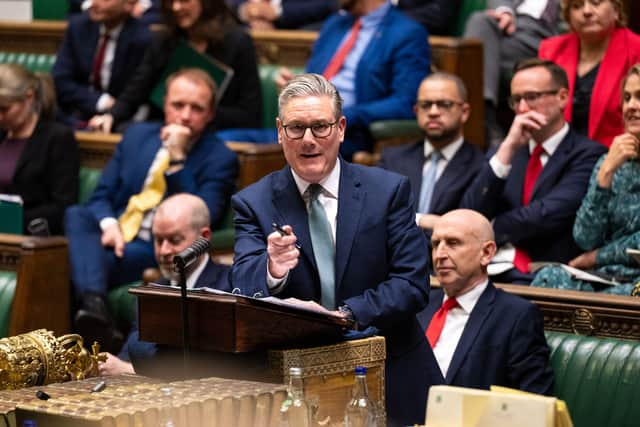
The Prime Minister told MPs the summit of world leaders later this week would focus on diplomatic efforts to reach a “negotiated end to the conflict” and the reopening of the strait, which had become a “running sore” to the world. The leaders would also carry out military planning “to provide assurance to shipping as soon as a stable environment can be established”, he said, and added: “This is about safeguarding shipping and supporting freedom of navigation once the conflict ends.”
Mr Macron said: “This strictly defensive mission, separate from the warring parties to the conflict, is intended to be deployed as soon as circumstances permit.”

Following Mr Trump's announcement of the blockade, oil prices jumped back up to around 100 US dollars (£74) a barrel after negotiations to end the war with Iran broke down. Writing on his Truth Social platform, the president said if any of Iran’s “fast attack ships” come close to the US blockade “they will be immediately eliminated”.
Mr Trump, who has repeatedly boasted about sinking the Iranian navy, said the smaller vessels had escaped destruction so far “because we did not consider them much of a threat”.
Deputy Prime Minister David Lammy met with US vice president JD Vance and secretary of state Marco Rubio in Washington DC where they discussed the current crisis in the Strait of Hormuz as America imposed a blockade against Iranian ports. Amid a fragile ceasefire, Mr Lammy is understood to have highlighted the role the UK is playing in the international effort to ensure shipping can pass freely through the critical waterway.
Meanwhile, Mr Trump insisted Iran wanted to reach a deal, saying: “We’ve been called this morning by the right people, the appropriate people, and they want to work a deal.” On Tehran’s control over the strategic Strait of Hormuz, he added: “We can’t let a country blackmail or extort the world because that’s what they’re doing.”
Ahead of his Commons appearance, Sir Keir told BBC Radio 5 Live the UK was "not supporting the blockade". He said: “What we’ve been doing over the last few weeks, and this was part of what I was discussing with the Gulf states last week, is bringing countries together to keep the strait open, not shut.”
Iran has selectively let through some vessels, but Mr Trump’s blockade is intended to stop that, in order to prevent Tehran from benefiting from tolls levied on shipping and the revenues from oil exports.
The rising cost of oil has already pushed up forecourt prices for motorists and added expenses to businesses, while households face a nervous wait to see what impact the turbulence will have on domestic electricity and gas bills when the price cap expires at the end of June. The Resolution Foundation think tank has suggested the average working-age household could be £480 worse off this year as a result of the war.
Sir Keir said: “I’m very concerned about the impact that this war is having on people back in the United Kingdom who’ve obviously played no part in the war, but I don’t want them paying the price. So that’s my primary focus.”
Asked if Mr Trump was to blame for the economic hit caused by the war, Sir Keir said: “In terms of where the blame lies, it’s Iran that has caused the restriction on traffic and vessels through the Gulf, and they’re doing that in breach of international law.”