
Rat sightings surge across UK as experts warn rodents could move into homes this winter
Rat sightings rose 15% over the summer, with Manchester among the worst affected cities. Experts explain why colder weather could bring more rodents indoors.
Rat sightings have risen sharply across the UK following the hottest summer on record, with pest experts warning that colder weather could drive even more rodents into people's homes.
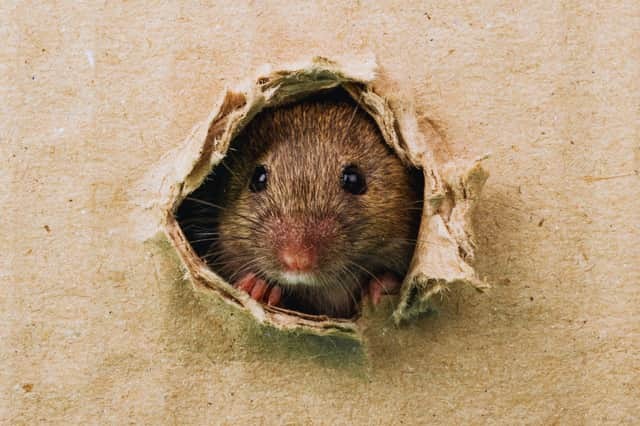

Pest control company Rentokil reported a 15% increase in rat sightings between June and August compared with the same period last year, with some cities experiencing particularly dramatic rises in inquiries.
Manchester topped the list with a 26% increase in calls about rodents, followed by Oxford at 24% and Leeds and Bradford at 23%.
Experts believe the summer heat may have encouraged rats to travel further in search of water, while increasingly busy cities are providing more opportunities for them to thrive.
And with temperatures now falling, householders are being warned that rats could be looking for somewhere warm to shelter.
Paul Blackhurst, head of Rentokil's Technical Academy, explained: "A brown rat needs around 60ml of water every day, so during a hot, dry summer they may travel further to find it, bringing them closer to homes, businesses and other reliable water sources."
He added: "Rats start looking for sheltered places where they can find the resources they need to survive, and this can bring them into our homes and business premises."
Millions of Britons embarrassed by rat problems
Research commissioned by Rentokil revealed that 65% of Britons have spotted a rat in the past year, while 43% admit being frightened of encountering one.
More than half (53%) would be embarrassed to tell someone about seeing a rat at home, and almost a third (31%) would even consider selling their property if they developed a rat problem.
But experts insist that finding rats does not necessarily mean a property is dirty.
"Rats don't distinguish between a clean building and a dirty one," said Mr Blackhurst. "They need food, water, warmth and shelter."
Why rats are becoming harder to control
Adding to the problem is growing resistance to some traditional rat poisons.
Scientists have identified genetically resistant rat populations across the UK, potentially making certain rodenticides less effective.
Rentokil is encouraging householders to act quickly if they discover evidence of rodents rather than ignoring the problem out of embarrassment.
Mr Blackhurst said: "Rat problems can happen anywhere, and acting early can stop a small problem becoming a much bigger one."