
Cornwall beach: Annual wildlife survey at Trevaunance Cove cancelled for first time in 13 years over 'shocking' sewage pollution

An annual wildlife survey was forced to cancel for the first time in 13 years due to sewage in the sea.
Volunteers of the Cornwall Wildlife Trust turned up to carry out a survey at Trevaunance Cove but were "shocked" by the state of the water and were forced to cancel. Matt Slater, marine conservation officer at Cornwall Wildlife Trust and organiser of the Shoresearch survey at the weekend, told the BBC: "The conditions were just not safe enough to run the event."
Shoresearch is a citizen science project of the Wildlife Trusts that trains volunteers to carry out survey work. Shoresearch week is a five-day marine wildlife monitoring survey carried out over the autumn equinox spring tides. The project monitors the health of the shore and provides data that allows changes to be tracked.
Gemma Newman, marine assistant at Cornwall Wildlife Trust, said the smell “was overpowering and none of our usually enthusiastic volunteers were keen to continue with the survey, it was shocking." South West Water (SWW) told the BBC a range of factors affected water quality, but recent heavy rainfall had caused storm overflows in St Agnes.
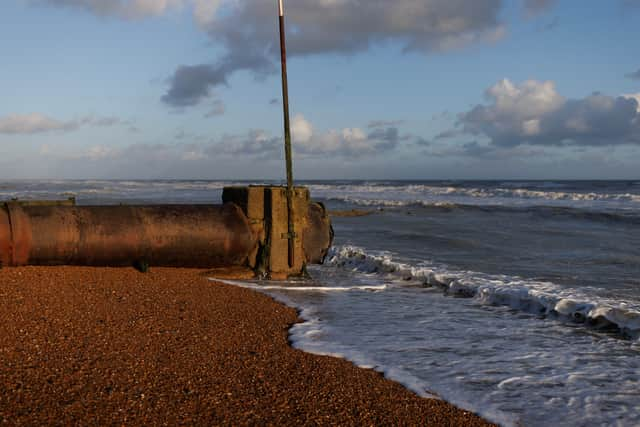

The water firm added that this had activated storm overflows which was "in line with their permits". It added: "We know our customers want to see immediate action to reduce the use of storm overflows.
"This is an absolute priority and as part of our investment of £2.8bn from 2025-2030, we will be the first water company to meet the government’s target of less than 10 spills a year per overflow by 2040 - 10 years ahead of our 2050 deadline.” It said storm overflows were a combination of surface water and sewage, with surface water making up the majority of overflows.