
Karen Morley: Mum spared jail after lying about son's cancer to raise money and trick school with fake NHS letter

A mother who falsely claimed her son had cancer, deceived his school with a fake NHS letter, and pocketed more than £200 in donations has avoided a prison sentence.
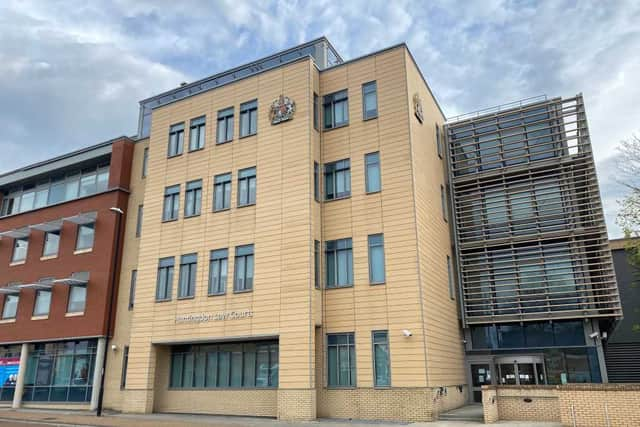
Karen Morley, 36, of Engledow Drive, Cambridge, was handed a two-year prison sentence, suspended for two years, at Huntingdon Law Courts on Wednesday, April 2. She had pleaded guilty to child neglect and two counts of fraud at an earlier hearing in October.
The court heard that Morley convinced staff at her son’s Cambridge school that he had been diagnosed with cancer in January 2022. Throughout the school year, the boy missed a significant amount of time, but no medical evidence was ever provided. When asked for documentation, Morley submitted a fake NHS letter as “proof.”
Staff became suspicious and referred the case to the Multi Agency Safeguarding Hub on 5 September 2022. A subsequent investigation by healthcare authorities found no record of the child ever being treated for cancer.
Police and social care workers who visited the family described the boy as appearing slim, gaunt, and having very short, patchy hair, signs they initially thought indicated cancer treatment. The child told officers his mother had said he had cancer and gave him a “hot” berry-flavoured sweet as medicine, along with milkshakes to help him gain weight. The "medicine" was later identified as multivitamins.
The boy was taken into police protection, and Morley was arrested. In interview, she denied lying about her son’s health but later admitted to telling the school he “might have cancer” to explain his reluctance to attend due to alleged bullying. She also claimed the fake NHS letter came from Addenbrooke’s Hospital.

Further inquiries revealed that Morley had spoken in detail about her son's supposed diagnosis on at least seven occasions with the school, in meetings, and to other parents. She also shared fabricated stories on social media, which were deleted after her arrest.
A JustGiving fundraiser set up by a concerned individual raised £218, which was transferred directly to Morley’s bank account. A local hairdresser also shaved the boy’s head free of charge after being told he had cancer.
Morley’s own family were also misled by the lies.
Sentencing her, Judge David Farrell said the child had experienced “psychological, developmental and emotional harm” and missed out on education. He noted Morley’s actions were “intrinsically linked to her profound mental health challenges,” citing psychiatric evidence that suggested she would not have acted in this way without those issues.
Judge Farrell acknowledged Morley’s early guilty plea, her previous good character, and her expressed remorse. He said he was able to suspend the sentence due to a “realistic prospect of rehabilitation.” Morley was also ordered to complete a 30-day Rehabilitation Activity Requirement and a 12-month mental health treatment programme.
Detective Sergeant Mark Williamson, from Cambridgeshire Constabulary’s Child Abuse Investigation and Safeguarding Unit, said: “This case will no doubt be shocking to everyone who hears about it and Morley’s deceit is almost beyond belief.
“The boy at the heart of this case was told he never had cancer, and since then has really struggled and questioned why his own mother would do this to him. He is now in the care of the local authority.
“This case highlights our work to protect children across Cambridgeshire – work that often goes on behind the scenes or the details of which are sometimes too sensitive to share.”