
West Nile virus: Deadly virus detected in UK mosquitoes 'for the first time' - what is the disease, what does this mean, is there a risk to humans?

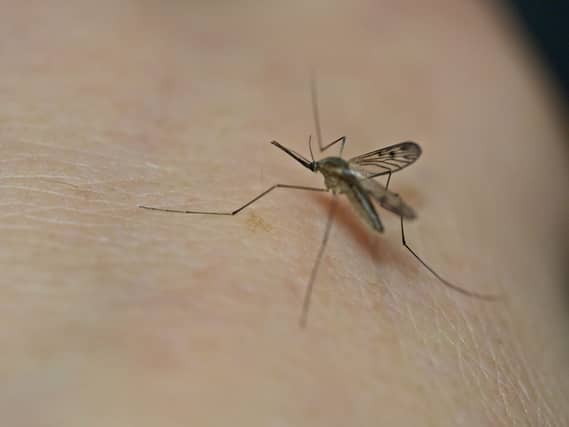

Health officials have sounded the alarm after a disease spread by mosquitoes has been found in UK insects for the first time.
West Nile virus, which is usually limited to Africa, the Middle East and South Asia, has been found in mosquitoes circulating in Nottinghamshire, sparking fears of human infection. There have been no cases of the disease ever detected locally in the UK - but there have been seven travel-associated cases in Britain since 2000.
West Nile virus is usually found in birds and typically circulates through avian-biting mosquitoes. However, in rare cases, mosquitoes have been known to transmit the virus to humans.
Officials detected virus in samples taken from Aedes vexans mosquitoes, a native British species, from wetlands on the River Idle near the village of Gamston in Nottinghamshire. The positive result, found in two individual mosquitoes tested in 2023, is the first time the disease has been detected in an insect in Britain and raises the possibility it could spread to the public.
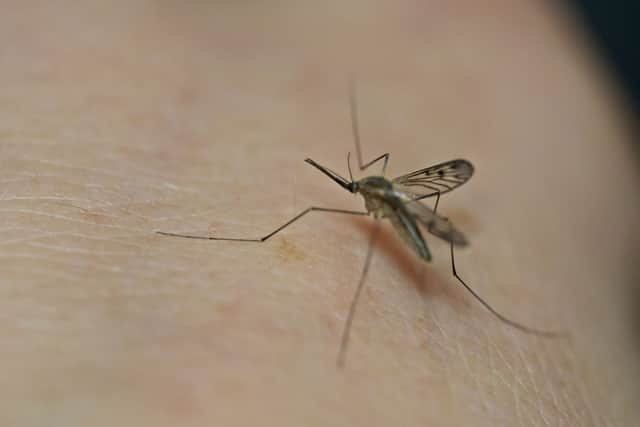
About one in five people infected with West Nile virus develop symptoms, such as a fever, headache and a spotty rash covering the trunk, head, neck, fingers and toes. These can last a few days to several weeks, with patients treated using fluids, bed rest and over-the-counter painkillers.
Of those with symptoms, less than one percent will develop a severe form of the disease — called West Nile neuroinvasive disease (WNND)—which can be deadly. In this, the virus infects the brain and causes encephalitis, or inflammation of the organ, leading to seizures, disorientation, paralysis and coma.
About three to 15 percent of WNND patients die from the disease, as the virus infects and shuts down cells that carry instructions for the body to breathe. Young children, adults over 50 and those who have weaker immune systems are most at risk of fatal illness.
What does it mean?
UK Health Security Agency (UKHSA) bosses today stressed the overall risk to the public is 'very low' and the virus 'does not spread easily between people'. However, they added mosquito surveillance and control activities are being 'enhanced' in the wake of the findings.
For protection against West Nile virus, officials advise people to wear insect repellent, as well as long-sleeve tops and pants in the evenings and early mornings — when mosquitoes are most active. Individuals have also been advised to remove any standing water near their home, as this can be a place where mosquitoes can breed.