
What countries have digital ID cards? Does France have one, nations with mandatory cards - as Britain joins likes of Russia, North Korea and Iran

Britain is joining ranks with other countries by declaring it compulsory for every citizen to have a government-issued digital ID card.
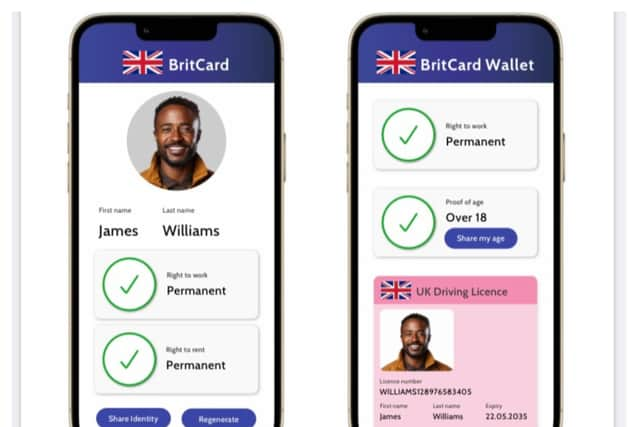
The 'BritCard' is a fresh attempt by Sir Keir Starmer to clamp down on illegal immigration, allowing the government to clearly verify a citizen's right to live and work in the UK. The plan is expected to be announced fully in a speech on Friday.
The card will require anyone enrolling in a new job to first present the digital ID to potential employers. The card would then be automatically checked against a central database of those entitled to work in the UK - weeding out people who have tried to fake their physical ID documents to get a job.
The compulsory ID cards are a feature of many authoritarian governments around the world, including in Russia, Iran and Belarus. In North Korea, Kim Jong Un's insistence on compulsory identity cards has led some to assume that the measure enables his government to easily hunt down people who have fled the country.

North Korea is said to be the country which imposes the strongest fines for citizens not carrying ID cards. Reported punishments for failing to supply the cards in the authoritarian state are said to include detention, interrogation, or more serious penalties.
The Resident Identity Card in China is mandatory for anyone aged 16 and over. The UK government warns Brits on its website that Chinese police carry out random checks for people's ID, especially during periods of heightened security and major sporting or political events.
The Iranian identification card is compulsory for citizens and permanent residents aged 15 and over. Failing to present an ID card to Iranian authorities can reportedly result in detention, questioning, and potential arrest.
In Russia, all citizens aged 14 and over to must have an internal passport, which functions as a mandatory identity document for daily life within the country. The primary punishment for not having the internal passport is reportedly a fine, or detention, passport seizure and demands to appear at a police station.
In Belarus, internal identity cards are mandatory for citizens from the age of 14. While people are not required to carry their passport on their person at all times, they must have a valid internal ID or passport to prove who they are within the country.
France does not have compulsory national identity cards, but French citizens and visitors must always carry some form of valid government-issued identification. While you are not required to have a French national ID card, failing to produce a valid ID when requested by a police officer can lead to detention for up to four hours. Acceptable forms of ID include a valid passport, a driving licence, or a French residence permit.
Brit Culture Secretary Lisa Nandy says "all UK citizens" will have to have the digital ID and it will be compulsory if "you want to work in this country". You'll have to show the ID to prove you have the right to work in the UK, Nandy tells BBC Breakfast. People won't have to use it for other purposes - such as signing up to different services - if they don't want to, she adds. "But it will help us to make sure we undermine the illegal economy," Nandy says.
A National Insurance number - which is currently used as part of proof to your right to work - will no longer be sufficient, Nandy tells the programme. Employers will need to see people's digital IDs, she says. She added: “For UK citizens, it will be a choice and it'll be free for them to be able to access."