
Why are people protesting in Iran? What is going on, where is the country located - will Donald Trump intervene?

At least 500 people have been killed in clashes with police in Iran.
Protests broke out in two major markets in downtown Tehran on 28 December, after the Iranian rial plunged to 1.42 million to the US dollar, a new record low. The collapse of the rial has led to a widening economic crisis in Iran. Prices are up on meat, rice and other staples.
While protests initially focused on economic issues, the demonstrations soon saw protesters chanting anti-government statements as well. Anger has been simmering over the years, particularly after the death of 22-year-old Mahsa Amini in police custody in 2022.
Amini died in hospital after being arrested by the so-called ‘morality police’ for allegedly not wearing a headscarf in line with local rules. Demonstrators have clashed with security forces, setting fires to public buildings and chanting slogans against the Islamic Republic and its leaders.
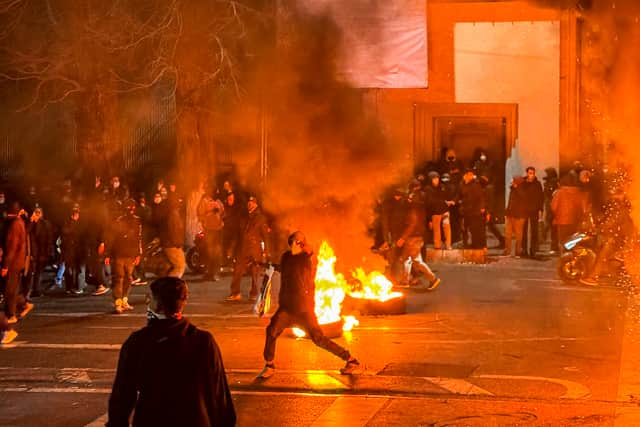

To quell the unrest, authorities have imposed a national internet blackout, which has lasted nearly four days, and about 500 protesters have been killed by Iranian forces, according to human rights groups. There were reports on Sunday that soldiers had begun shutting down entire towns and had adopted a close-range shoot-to-kill policy.
There are fears that the death toll will rise sharply as hospitals are being overwhelmed and families remain too terrified to report casualties. Ayatollah Ali Khamenei, the Supreme Leader of Iran, has accused external powers of orchestrating the unrest, primarily the United States and Israel.
Donald Trump has repeatedly threatened to intervene in the protests if Iranian security forces start shooting at those involved. The US president’s first warning came last week in a post on Truth Social, when he promised to “come to their rescue”.
Mr Trump repeated the warning on Thursday night, telling Fox News the US was ready to hit Iran “hard”. Abbas Araghchi, Iran’s foreign minister, said Iran was “not seeking war” but was “fully prepared” if conflict arose.
Mr Trump and his national security team have been weighing a range of potential responses against Iran including cyber-attacks and direct strikes by the US or Israel, according to two people familiar with internal White House discussions who were not authorised to comment publicly and spoke on condition of anonymity. Tehran has warned that the US military and Israel would be “legitimate targets” if America uses force to protect demonstrators.