
I tried the coffee machine that swaps wasteful pods for compostable balls


This article contains affiliate links. We may earn a small commission on items purchased through this article, but that does not affect our editorial judgement.
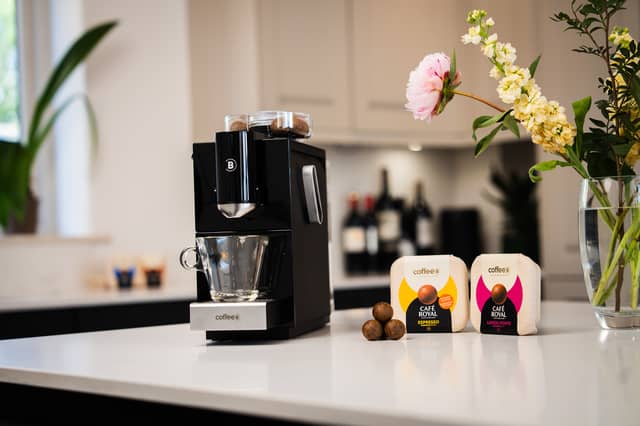
Delicious coffee, compostable balls and a satisfying mechanical action make the CoffeeB Cosmos an appealing alternative to a conventional pod machine
There's a bit of an uncomfortable consequence to the nation's addiction to one-touch coffee machines - and that's the number of empty pods that have to go to waste. The number is estimated to be around 2.2 million per day. Frightening stuff.
The CoffeeB Cosmos takes a different approach, and I've been testing it for a few weeks alongside a trusty old Dolce Gusto machine.
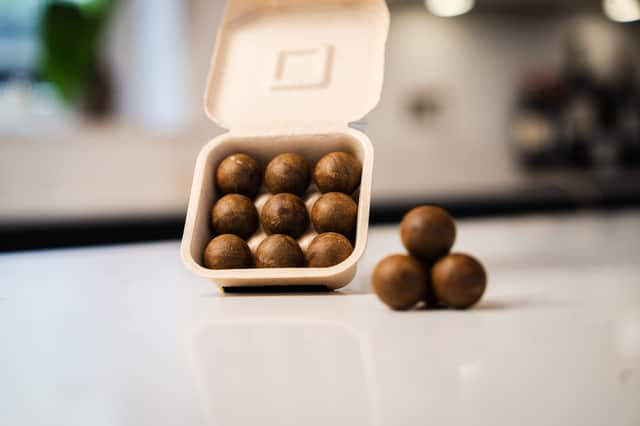
It promises the convenience of a capsule machine, but without the little plastic or aluminium containers left over afterwards. Instead, it uses balls of compressed coffee, protected by a thin plant-based coating. They look slightly peculiar, admittedly, but the idea makes a lot of sense. Once you’ve finished brewing, the used ball can go into your home compost. No plastic, no metal, no waste.
The Cosmos costs £229.99 new, but a black Friday deal has brought the starter kit, including a bundle of coffee balls, down to £99.
That's a good price when you put it alongside some of the more conventional pod machines, and it's a great introduction to a new way of enjoying coffee without the conscience.
What I liked about the CoffeeB Cosmos
Pod-based machines are popular because they remove most of the effort from making coffee. You don’t have to measure anything, grind beans, or deal with a soggy filter. CoffeeB keeps that portioned approach while removing the individual capsule.
The Cosmos also makes a feature of its unusual consumables. A rotating dispenser on top holds nine coffee balls, they're lined up like a magazine in a rifle, ready to drop into the machine.
There's even a cocking action to drop the spent ball into the container. It's incredibly nicely made, and it gives the design a bit of personality, with a pleasingly mechanical action.
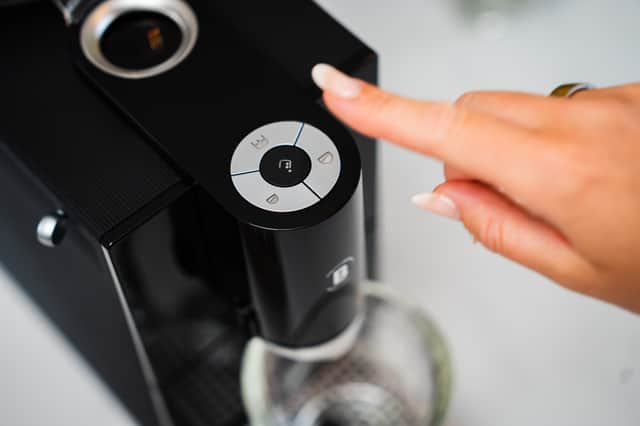
It's a doddle to use, then. You load a ball, close the lever, and select your drink. There's absolutely nothing complicated about this, and given we could really do with a system like this replacing pods in the future, that's a great thing.
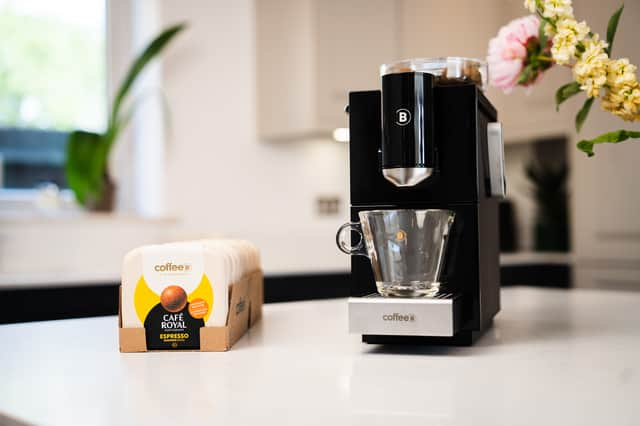
Its narrow body is also appealing, especially if, like me, you're short on counter space. At 16.5cm wide, it doesn’t demand an enormous stretch of worktop, although its 38.3cm depth needs factoring in.
The 1.4-litre water tank is a useful size, particularly for a household making several coffees throughout the day, and every ball that you use up is compostable, which is an absolutely perfect way to dispose of them. Pop them in your food waste collection, or let them support next year's pansies.
There’s no capsule to separate, rinse or save for a collection scheme.
I also like the attention given to repairability. CoffeeB advertises repairable components and a two-year guarantee. A machine designed to reduce disposable packaging ought to have some thought put into its own lifespan. Sustainability really weaves its way through the CoffeeB story and it's great to see.
Quite importantly, the coffee itself is delicious. I tested a sample pack, and the brews come out nice and creamy, not too strong, but exploring the flavours on offer has been a delight.

What I didn’t like about the CoffeeB Cosmos
Removing the capsule doesn’t remove the commitment to a particular coffee ecosystem.
The Cosmos works exclusively with CoffeeB balls, so you're effectively subsidising the machine with future purchases.
A pack of 45 balls costs £21.49 from the CoffeeB website, so it's not a bad price, but this isn't the sort of thing you can pop to Aldi for. Not yet, at least.
There are ways of making savings by subscribing, or buying in bulk, but you're still going to be looking at over 40p per coffee. Much cheaper than a café, but still worth factoring in.
Storage also needs some consideration. CoffeeB recommends keeping opened balls dry and using them within a few weeks. Filling the holder might look attractive, but occasional coffee drinkers should avoid opening more than they’ll get through.
The machine favours a smaller pour. This is fine if you like your espressos, but if you want to fill up a big mug for a morning, it'll take several presses of the button.
Overall verdict: Should you buy the CoffeeB Cosmos?
The Cosmos offers an appealing answer to a familiar problem: how do you keep the convenience of portioned coffee without throwing away a capsule after every cup?
Its approach is distinctive, straightforward, and particularly relevant to households that can compost the used balls.
However, I’d make the buying decision around the coffee rather than the novelty. Try the blends if you have the opportunity, check the running costs, and consider whether you’re happy committing to the system.
If those things suit you, the Cosmos looks like a thoughtful alternative to a conventional capsule machine, and you can't argue with its environmental credentials.
It's a big thumbs-up from me.