
Lea Pericoli dead at 89: Tennis legend and television presenter was also renowned for being a style icon

Italian tennis star Lea Pericoli reached the last 16 of the Wimbledon championships three times and the French Open twice.
Tennis legend and television presenter Lea Pericoli, who was an Italian tennis star of the 1950s, has passed away at the age of 89. She was born on 22 March 1935 in Milan, Italy and became not only one of her country’s top players but thanks to the outfits she wore with feathers and fur, became known as a style icon too.
Fellow Italian Jannik Sinner and currently the world’s number one tennis male player paid tribute to Lea Pericoli on Instagram and said: "A special moment that I will remember forever. A great lady and legend of Italian tennis". Jannik Sinner posted a photograph of the pair alongside his tribute to her.
Jannik Sinner was not the only tennis player who paid tribute to Lea Pericoli. Former Spanish number one Rafael Nadal also said: “thanks for everything. You will always be remembered by all of us".
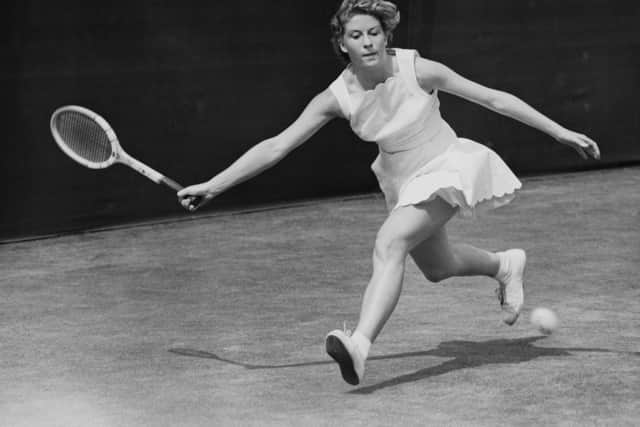

Lea Pericoli first took up the game of tennis in Addis Ababa as her father had moved the family there after the Ethiopian War. She was then sent to study in Kenya where she continued to play tennis.
Italian newspaper Il Messaggero described Lea Pericoli as“was one of the best Italian tennis players for many years and participated in tournaments like Wimbledon and the French Open. Her on-court results, although not always at the absolute top worldwide, included numerous victories in Italian national tournaments and some significant appearances in Grand Slam tournaments, reaching the quarterfinals at the French Open.”
Although Lea Pericoli was renowned for her tennis, she was also considered a style icon. Instead of more traditional outfits, Lea was known for wearing voluminous skirts and white lace. Her outfits were designed by Italian designer Ted Tinling.
Il Messaggero also reported that “Lea Pericoli's lace and elaborate tennis dresses were not just an aesthetic whim but represented a cultural change, introducing a vision of femininity and glamour in a sporting context that, until then, had favoured practicality and sobriety.”