
Are airline boarding passes being scrapped? New global rules planned by the International Civil Aviation Organization

A radical overhaul of how airline passengers get on to their flight could be on the cards - although getting rid of paper boarding passes is one of the changes.
For years there has not been much in the way of change to the process of boarding a flight. Passengers must check in, at which point they are given a boarding pass with a barcode which is scanned to allow entry.
With the rise of digital technology check-ins can now be done remotely rather than queuing up, but essentially the system has stayed the same for decades.
But now the International Civil Aviation Organization (ICAO), the UN body which makes airline policy, has a plan to change the status quo.
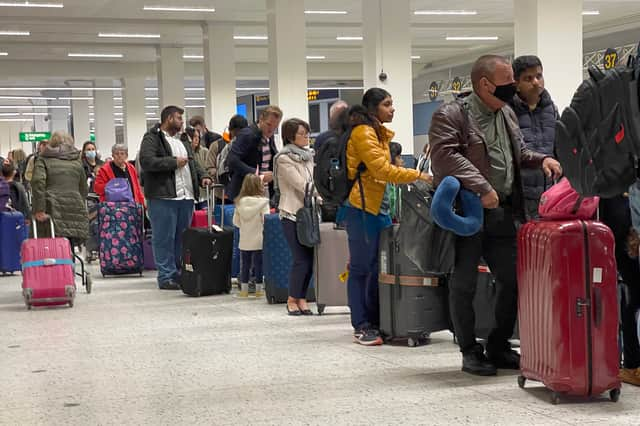

It has revealed an idea for a “digital travel credential” which would allow passengers to store passport information on phones. This would see a “journey pass” sent to passengers when they book a flight. This pass would not just allow passengers on to an aeroplane, it would provide updated information if a flight is delayed on cancelled.
Passengers would also be able to upload passports to phones and use face recognition to get through airport security. The airlines would therefore know what their passengers looked like, and would receive an alert when a face was scanned, knowing they were at the airport.
Valérie Viale, director of product management at travel tech firm Amadeus told the Times that the changes were “the biggest in 50 years”. She said: “The last upgrade of great scale was the adoption of e-ticketing in the early 2000s. The industry has now decided it’s time to upgrade to modern systems that are more like what Amazon would use.”
Infrastructure upgrades at airports, including facial recognition technology and the ability to read a passport from a mobile device, would be needed for the plans to be carried out successfully. The Times has reported that the changes could come in within three years.
“Many airline systems haven’t changed for more than 50 years because everything has to be consistent across the industry and interoperable,” said Viale.
“At the moment airlines have systems that are very siloed,” Viale said. “There’s the reservation system that, when check-in opens, makes a handshake with a delivery system and says ‘here are my reservations, you can now deliver them’. In the future, it’ll be far more continuous and the journey pass will be dynamic.”